
 雷科技
雷科技




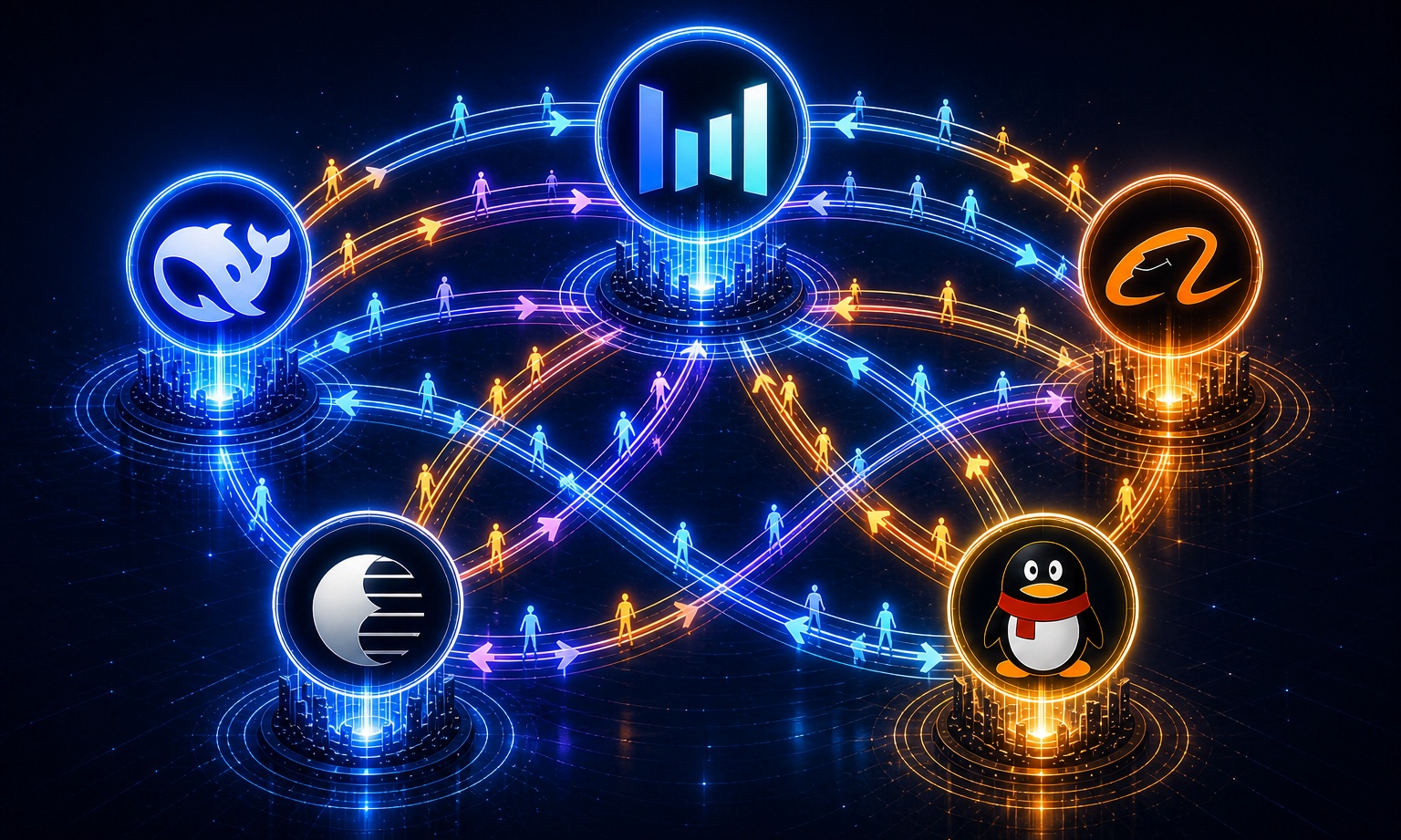

In DeepSeek’s technical report on DeepSeek V4, a “Research & Engineering” author list of nearly 300 individuals drew external attention—10 of them were marked as “Former Employees.”
Specifically, among DeepSeek V4’s core development team members, Bingxuan Wang, Chong Ruan, Daya Guo, Haoran Wei, Haowei Zhang, Jun Ran, Junlong Li, Kezhao Huang, Y.Q. Wang, and Zipeng Zhang—10 core technical leads and top-tier AI experts—have all departed DeepSeek.
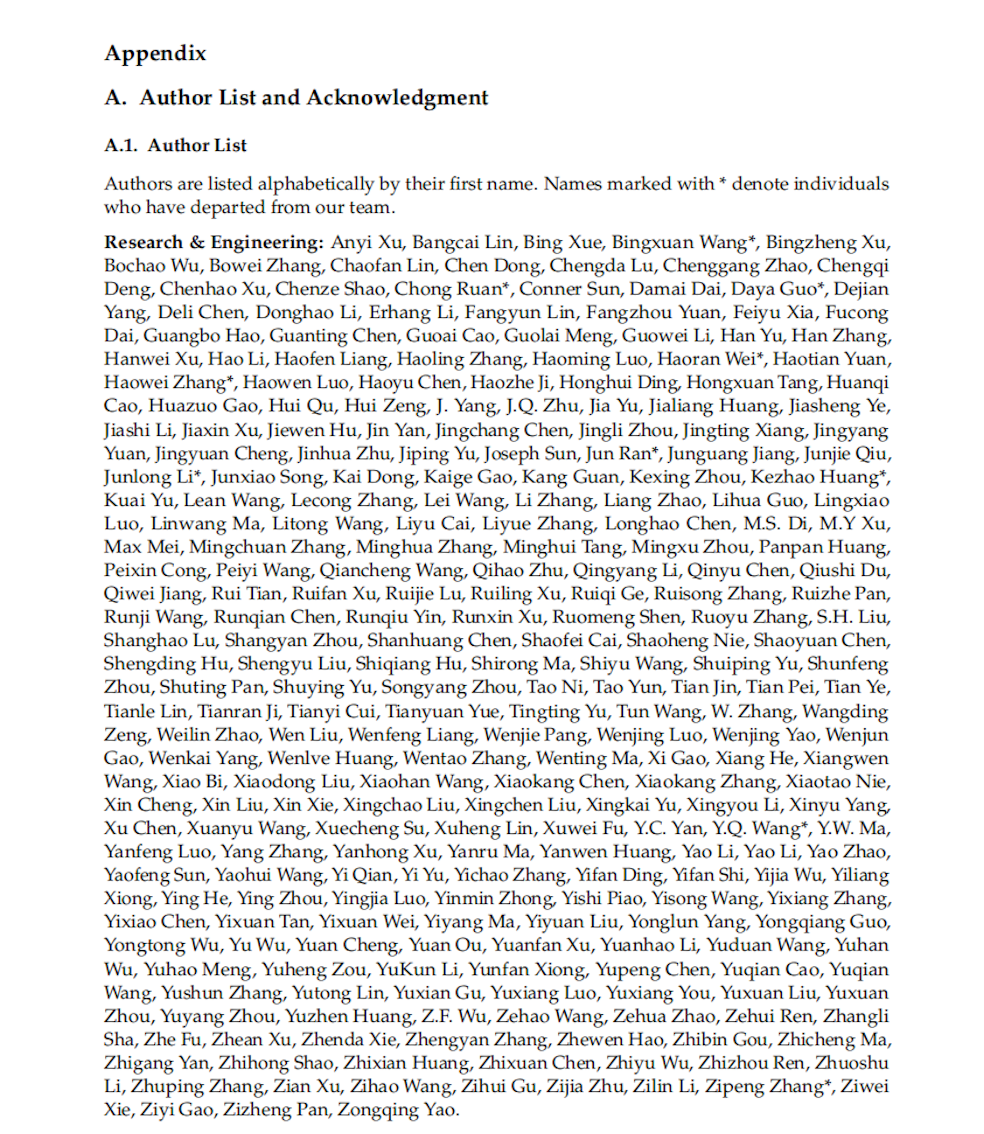
Source: DeepSeek
Among them, Daya Guo, a core researcher, has joined ByteDance’s Seed team as one of the Agent Leads at Level L8; Chong Ruan, a core multimodal technology researcher, has joined DeepRoute.ai as Chief Scientist; Bingxuan Wang, a core author of DeepSeek’s first-generation large language model, has joined Tencent’s Hunyuan team; and Haoran Wei, a core author of the DeepSeek-OCR series models, has not yet disclosed his next destination.
The departure of these core technical leads and top-tier AI experts, as disclosed in the DeepSeek-V4 technical report, is merely a microcosm of China’s intensifying competition for elite AI talent.
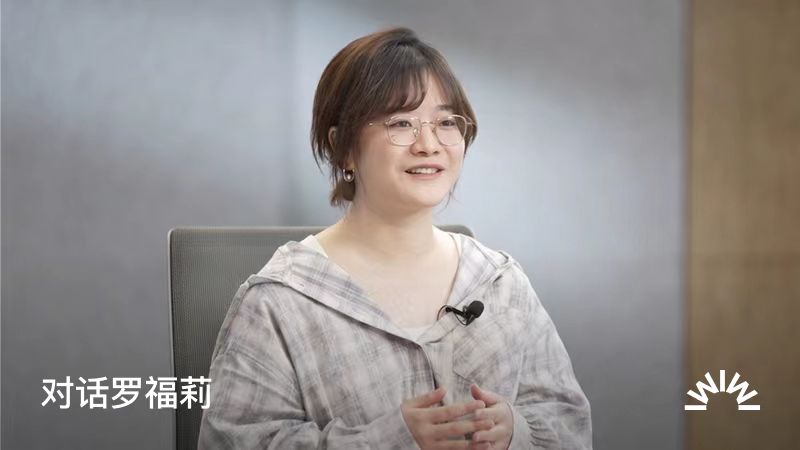
It is worth noting that Luo Fuli, a core developer of DeepSeek V2, left DeepSeek earlier and joined Xiaomi last year as Head of the MiMo large model team.
Source: @Language_as_World Studio
Elite Technologists Targeted by Tech Giants—AI “Little Dragons” Have Long Been Bleeding Talent
LeiTech (ID: leitech) research reveals that beyond DeepSeek, senior technical talent from other AI “little dragons”—including Moonshot (Kimi), Zhipu (GLM), StepFun, and Baichuan Intelligence—had already drawn the attention of major tech firms and platform giants well before this wave.
In 2025, Tan Xu, who led Moonshot’s end-to-end speech modeling efforts, joined Tencent’s Hunyuan team to head voice fusion initiatives.
Notably, prior to joining Moonshot, Tan Xu served as Chief Research Manager at Microsoft Research Asia. Before Yao Shunyu assumed leadership of the Hunyuan team, Tencent had recruited numerous researchers from Microsoft China—including Sun Qingfeng, a core member of Microsoft’s open-source WizardLM team; Hu Han, former Chief Researcher of the Visual Computing Group at Microsoft Research Asia; and Xu Can, creator of the WizardLM project at Microsoft.
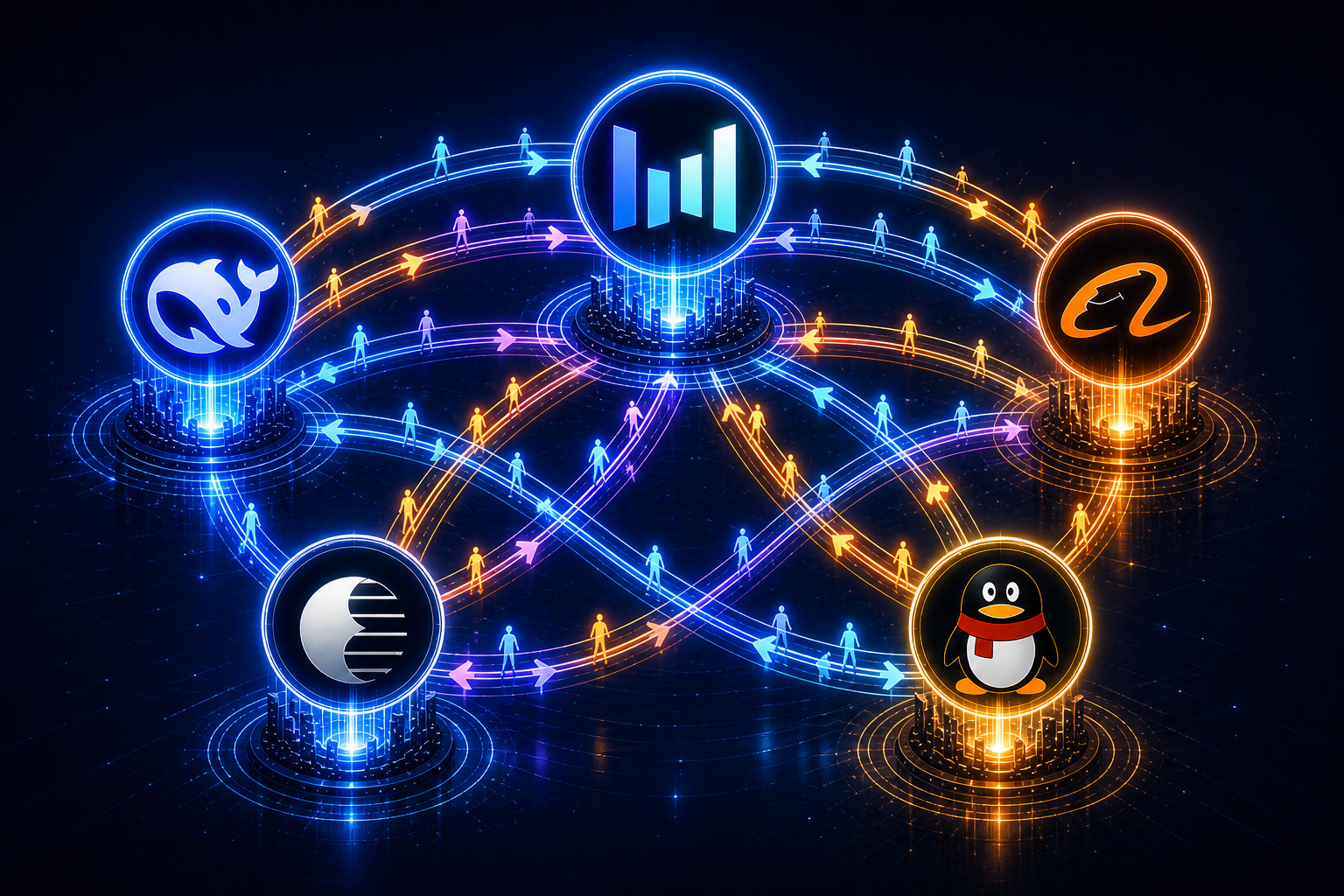
Under Yao Shunyu’s new leadership, an individual close to Tencent’s recruitment efforts told Yicai Global in an interview: “Tencent only considers candidates from four foundational model teams: DeepSeek, Moonshot, ByteDance, and Alibaba. Candidates from any other company are not considered.”
Source: GPT Image 2
In 2025, many more AI “little dragons” experienced waves of senior talent attrition—including several widely recognized elite technologists. For instance, Feng Guanyu, formerly Head of AI Infrastructure at Zhipu AI, joined ByteDance to strengthen infrastructure capabilities; Deng Shihong, formerly Head of Reinforcement Learning at StepFun, joined ByteDance to enhance reinforcement learning expertise; and Xie Jian, Co-Founder and Technical Lead at Baichuan Intelligence, returned to Baidu as a Core Researcher.
Why do elite AI technologists in China prefer joining large tech firms? The reasons include the following:
First, large AI platform companies offer broader and more diverse research domains and technical directions, enabling them to provide better-aligned career opportunities for elite technologists specializing in distinct areas—such as LLMs, Agents, OCR, multimodal systems, or AI hardware.
Second, over the past two years, domestic tech giants have launched an industry-wide AI arms race—measured in months, weeks, or even days—with R&D expenditures scaling into the tens or hundreds of billions of RMB. This intense competition has significantly impacted the R&D output and growth prospects of AI startups. Consequently, some elite technologists may no longer wish to remain at startups, given how dramatically the landscape has shifted.
Third, AI startups cannot match the top-tier compensation packages—and total remuneration—offered by elite technologists across the industry. To earn higher income, they must join tech giants actively engaged in the AI arms race, where AI-related spending is surging.
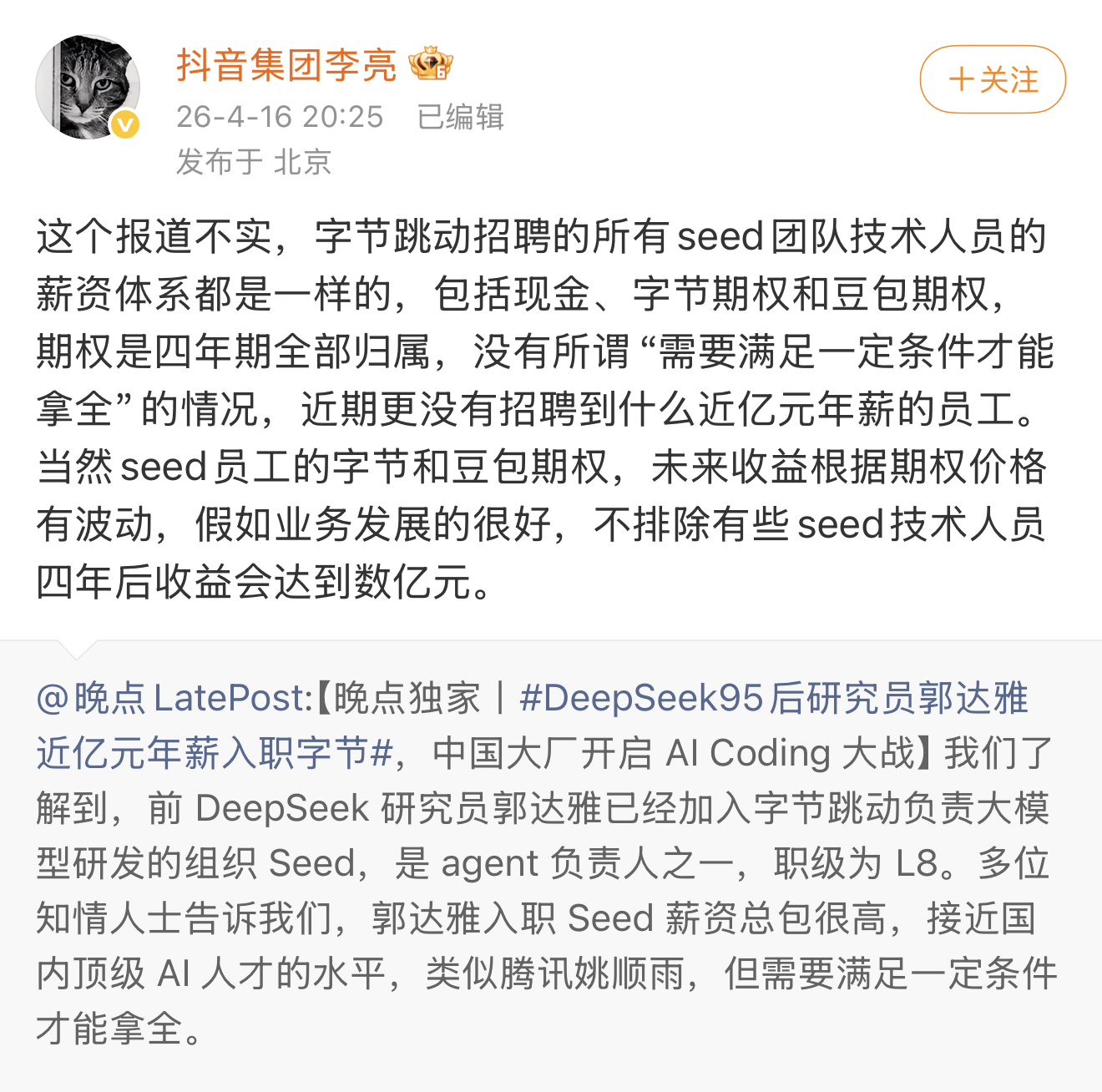
Source: Weibo
Finally, startups like DeepSeek—which previously raised no external funding—cannot assign market-based valuations to employee stock options. As such, options remain mere numbers with no realizable value, diminishing their appeal to team members. This dynamic is widely viewed as a key reason why founder Liang Wenfeng has shifted his stance and begun actively pursuing external financing.
Compared to Alibaba’s Qwen, ByteDance’s Seed Is the “Whampoa Military Academy” Among China’s AI Giants
In March, Lin Junyang, Technical Director of Alibaba’s Tongyi Qwen large model, announced his resignation, which Alibaba officially approved.
This year, multiple core R&D personnel from the Qwen team have departed—including Yu Bowen, Head of Post-Training (who left concurrently with Lin Junyang); Li Kaixin, a core team member; and Hui Binyuan, former Head of Qwen Code, who resigned earlier this year.
Yu Bowen has since joined ByteDance’s Seed team as Head of Post-Training for Vision Models and Multimodal Interaction. ByteDance’s Seed team has become a common destination for core technical talent from Alibaba’s Qwen team—including Zhou Chang, the most recent former Technical Director of Tongyi Qwen.
However, while the Qwen team currently comprises just over 100 members, ByteDance’s Seed team exceeds 1,500 people (as of March data). In terms of the number of departing employees, ByteDance stands out as China’s premier “Whampoa Military Academy” among AI giants.
As the dominant AI platform in today’s Chinese market, ByteDance’s departing employees and team leads more often choose entrepreneurship.
Statistical data indicates that, as of February, former ByteDance employees had founded over 30 AI startups—spanning AI hardware, AIGC, vibe coding, and embodied intelligence.
Moreover, high-level technical talent mobility between major AI platforms is also highly significant—and occurs along three distinct axes: Silicon Valley giants to Chinese tech giants, Chinese tech giants to Silicon Valley giants, and Chinese tech giants to other Chinese tech giants:
Silicon Valley Giants → Chinese Tech Giants: This flow commonly involves top-tier AI talent—for example, Yonghui Wu, former Vice President of Research at Google DeepMind (Google Fellow), who joined ByteDance as Head of Foundational Research for the Seed team; Shunyu Yao, former OpenAI researcher, who joined Tencent’s Hunyuan team as its leader; and Hao Zhou, former Senior Principal Researcher at Google DeepMind, who joined Alibaba’s Qwen team as Head of Post-Training.
Chinese Tech Giants → Silicon Valley Giants: This flow typically involves seasoned AI engineers—for example, Siyuan Qiao, former core member of ByteDance’s Seed LLM team, who joined Meta; Lu Jiang, former core member of ByteDance’s Seed vision model research team, who joined Apple; and Binyuan Hui, former Head of Qwen Code at Alibaba, who joined Meta.
Chinese Tech Giants → Other Chinese Tech Giants: This includes figures cited above—such as Zhou Chang and Yu Bowen—as well as broader patterns like ByteDance’s Seed team being actively poached by Tencent and Alibaba. Reports indicate that nearly 30 Seed team members joined Tencent over the past year, primarily working on AI infrastructure and data infrastructure.
It should be noted that a single elite AI technologist’s career trajectory may involve movement along two—or even all three—of these axes, reflecting the current AI industry’s hallmark characteristic: “high talent mobility.”

Source: GPT Image 2
How Can AI Companies Retain Elite Technologists?
What concrete measures can different types of AI companies adopt to retain elite technologists?
For all major AI platform companies, adopting ByteDance’s AI business “high-density” hiring strategy is advisable—i.e., proactively recruiting large numbers of qualified young talent, both from campuses and the broader job market, who are eager to engage in AI R&D and research. This approach serves society and “natively AI-born enterprises” by cultivating more highly skilled professionals—and further strengthens the role of the “Whampoa Military Academy.”
Similarly, for AI startups—which are inherently “high-volatility” and “high-risk” organizations—not every elite technologist will commit long-term. Thus, continuously attracting promising young technical talent—including top graduates—is equally critical.
Of course, no organizational structure is perfect. The March “Lin Junyang resignation” controversy fundamentally reflected both Lin’s personal dissatisfaction with internal corporate structures—including role adjustments and procedural rules—and emerging issues and challenges encountered during internal operations.
Such issues exist at Alibaba, ByteDance, Tencent, and startups like DeepSeek and Moonshot—but they manifest in different forms. While surfacing these problems is important, resolving and proactively mitigating them is even more crucial.
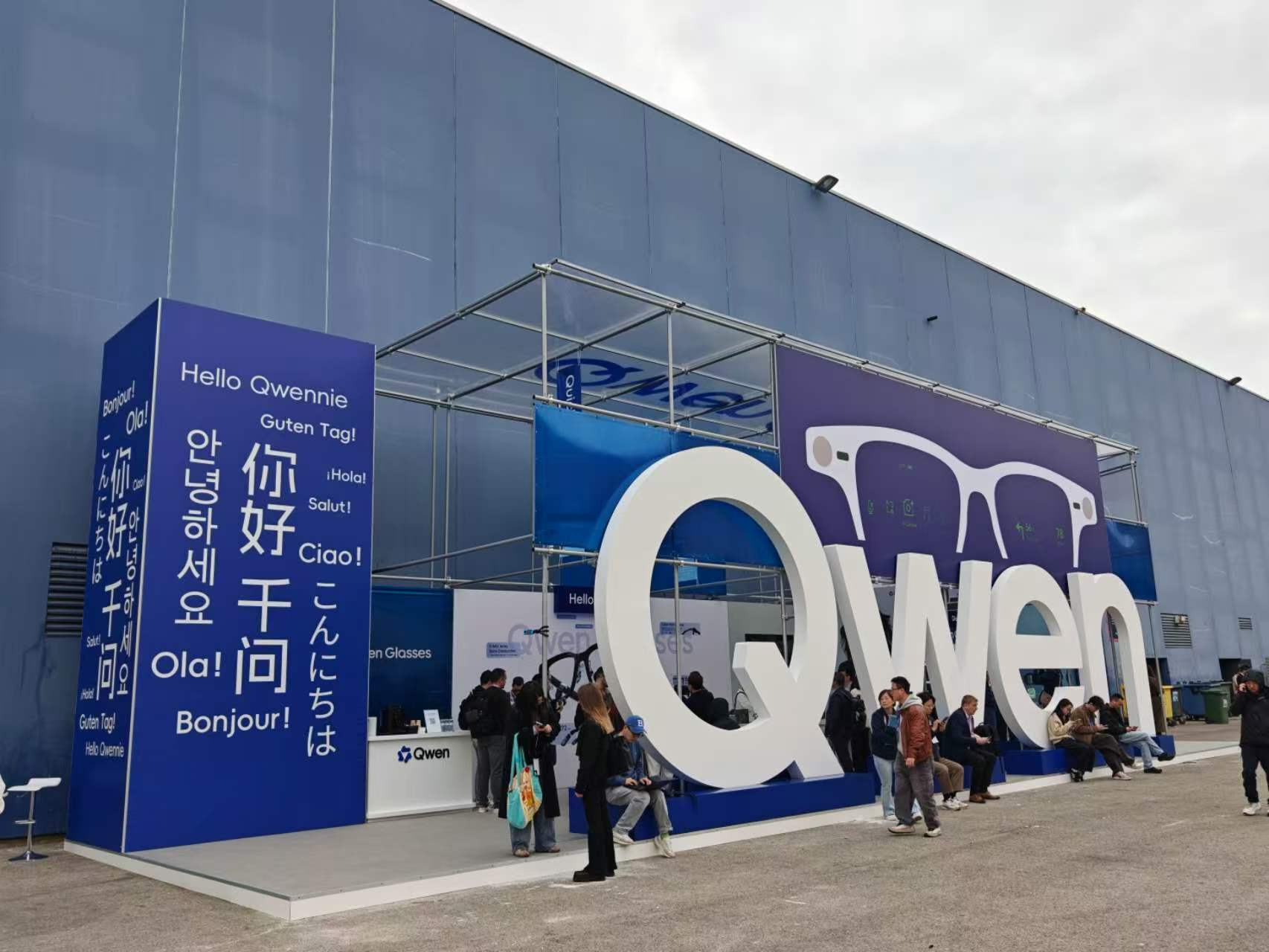
Source: LeiTech On-Site Coverage at MWC26
For instance, after experiencing losses of technical management talent—including associated team departures—Alibaba Group CEO Wu Yongming immediately prioritized the issue and launched dual-track responses:
At the internal Qwen team communication meeting, senior executives conducted candid retrospectives, provided qualitative reassurance, and stabilized team morale. At the group level, Alibaba established a Foundational Model Support Task Force, led directly by the CEO, reaffirming the Group’s unwavering commitment to its existing AI strategy—including continued expansion of R&D investment in AI and intensified recruitment of top industry talent.
Similarly, upon observing significant technical talent outflow, DeepSeek’s founder Liang Wenfeng decisively abandoned his long-held “no external fundraising” principle—enabling employee stock options to receive market-based valuations and become exercisable. Simultaneously, he publicly declared the company’s ethos: “Unswayed by praise, unshaken by criticism; steadfastly adhering to principles, upright and resolute.”
Fundamentally, once startups reach a certain stage of development, they must timely adjust and optimize their established strategies—and even strategic direction—to align with evolving industry dynamics and their own new developmental phase.
Agility is an advantage for smaller vessels: For AI startups, organizational structures and corporate strategies can be more flexible—and they can offer technical talent uniquely tailored roles with greater operational autonomy, including specialized, long-term research positions.

