 雷科技
雷科技




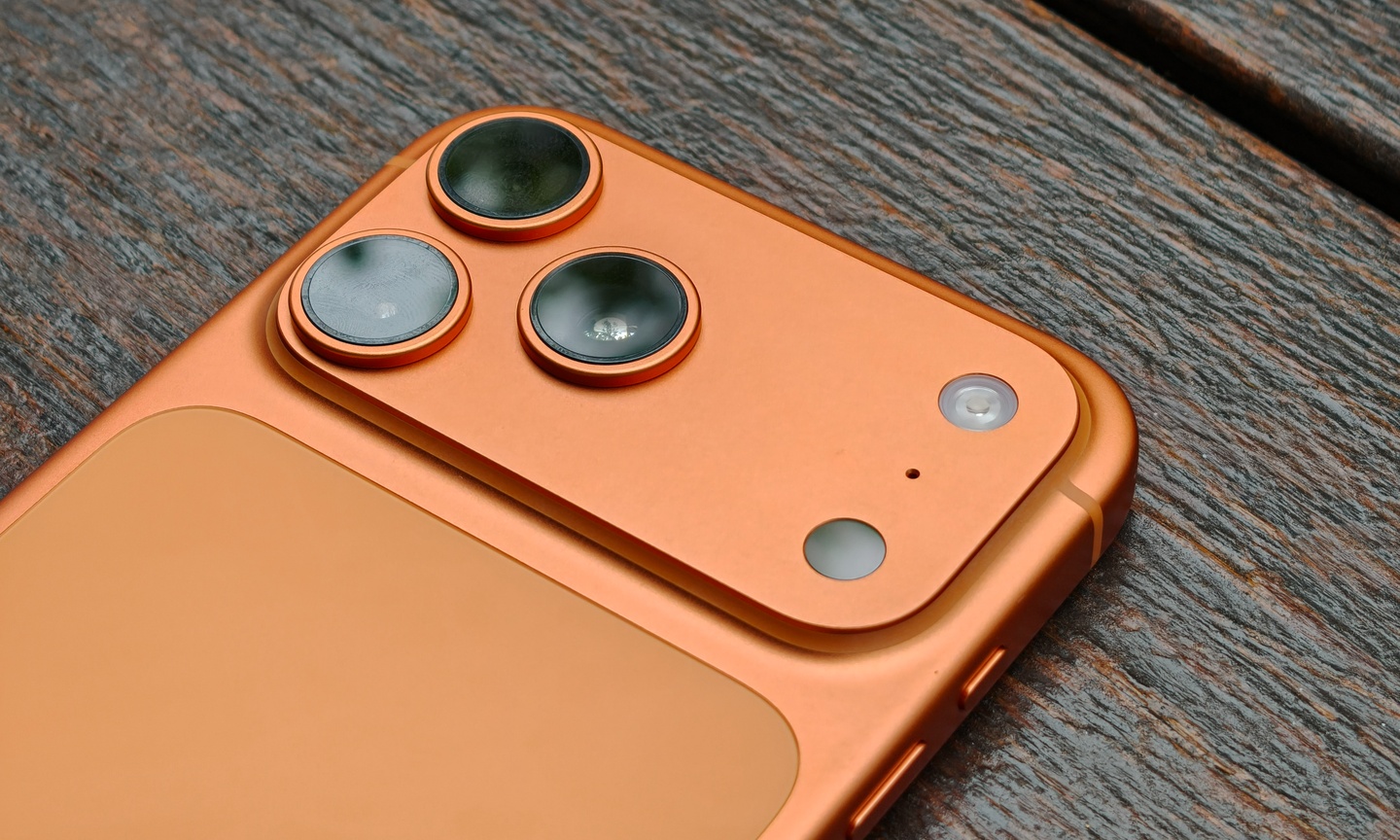

By mid-May, this year’s 618 shopping festival—the annual e-commerce mega-sale in China—has officially kicked off. On May 15, Apple officially announced its 618 promotional policies, immediately triggering the trending hashtag “#iPhone 17 Pro Price Cut by ¥2,000” on Weibo.
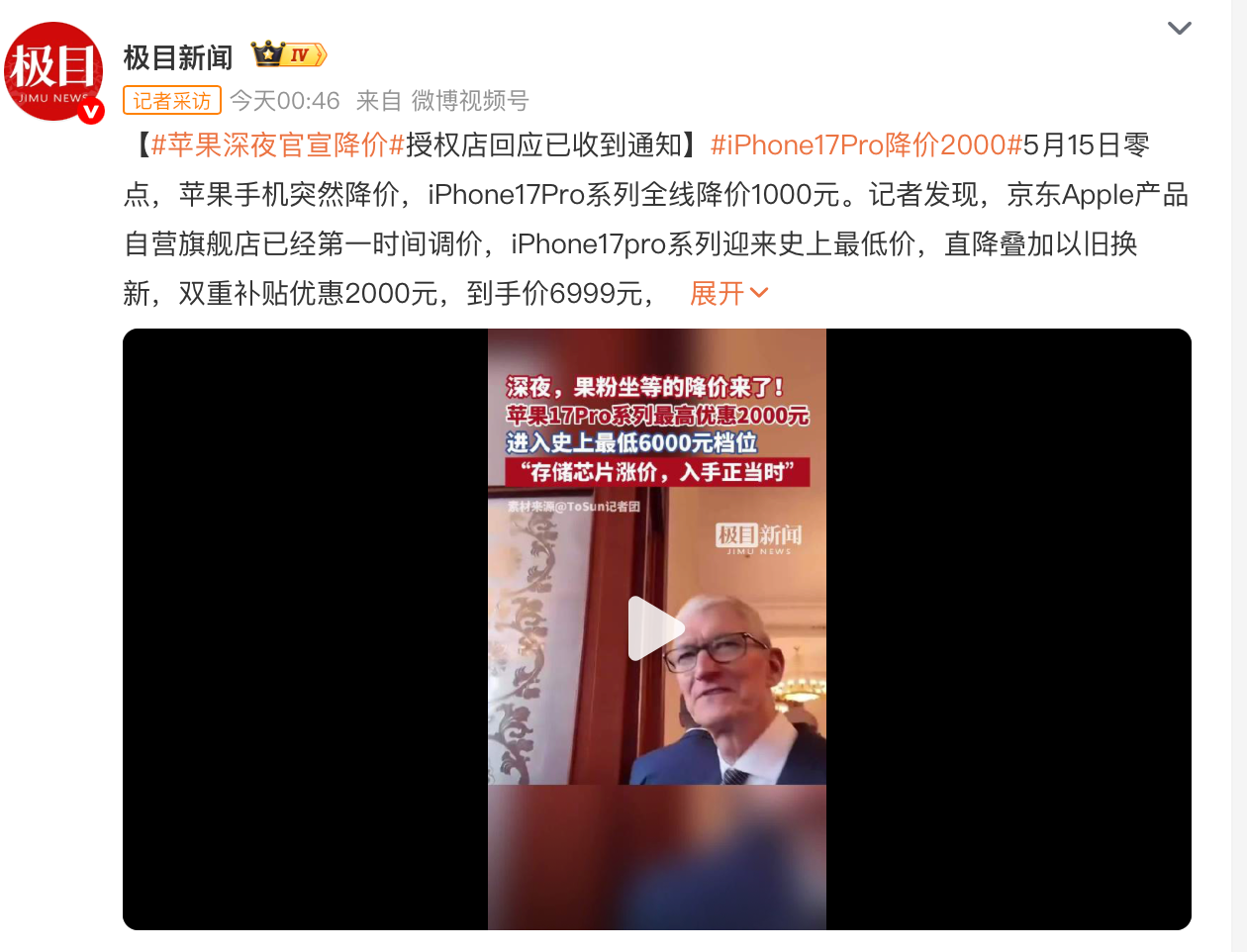
(Image source: Weibo)
Beyond Apple, Android OEMs are also actively participating in the 618 promotions. In addition to standard discounts, several brands are launching new models. The 618 sale effectively serves as a comprehensive performance review for the smartphone industry—assessing not only Q1 but also the entire first half of the year. The competitiveness and pricing power of new devices will become unmistakably clear during this major sales event. Through this year’s 618, we can also glimpse emerging trends shaping the smartphone market in 2026.
Apple Plays It Safe; Domestic Brands Launch New Models While Clearing Inventory
Apple: Superficial Price Cuts—Blame the iPhone 17 Series’ Stellar Sales?
First, it’s important to clarify that the viral claim of a ¥2,000 direct price cut on the iPhone 17 Pro is neither entirely false nor fully accurate—it’s largely a case of misinformation. Specifically, Apple’s official 618 discount is just ¥200 off the iPhone 17 and ¥700 off the iPhone 17 Pro series. Even when combined with Tmall’s ¥300 coupon, the maximum total discount remains ¥1,000.
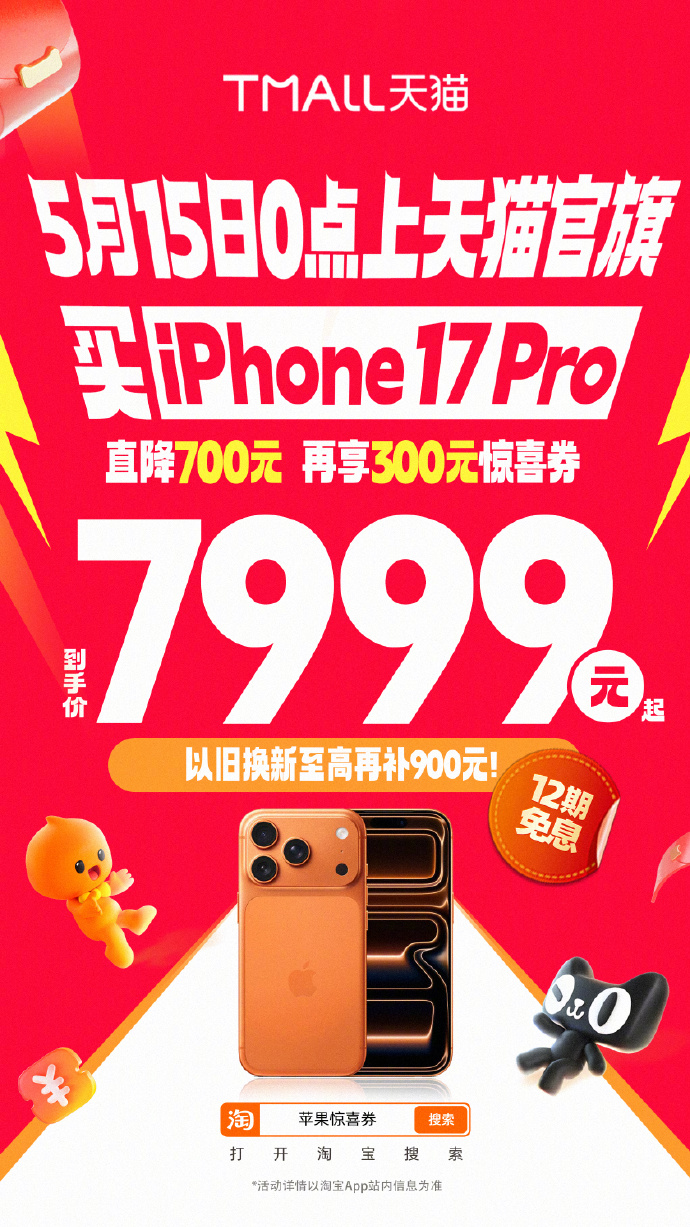
(Image source: Tmall)
The so-called ¥2,000 discount includes trade-in allowances and subsidies for older devices—an approach that lacks logical consistency. After all, if your old phone is worth over ¥10,000, wouldn’t that effectively enable a “zero-cost” purchase of the iPhone 17 Pro Max?
Clearly, Apple’s price cuts this year are more modest than last year’s. Official channel discounts for the iPhone 17 series even fall short of the everyday “hundred-billion-yuan subsidy” prices offered by major e-commerce platforms. Before 618, ordinary consumers could already purchase the iPhone 17 for as low as ¥4,999.
This strategy is understandable: on one hand, soaring memory component costs have increased pressure on the iPhone 17 series, squeezing available room for price reductions; on the other, the iPhone 17 series has been an overwhelming commercial success, with sales climbing steadily. According to data from tech analyst RD Observation, cumulative activations of this model in mainland China have approached 30 million units—leaving Apple little incentive for aggressive discounting.
Huawei: Foldables Lead the Charge, Up to ¥3,000 Off
On May 15, Huawei announced price cuts for two flagship foldable smartphones: the Mate X7 receives a ¥1,000 discount, while the Mate X6 offers up to ¥3,000 off.
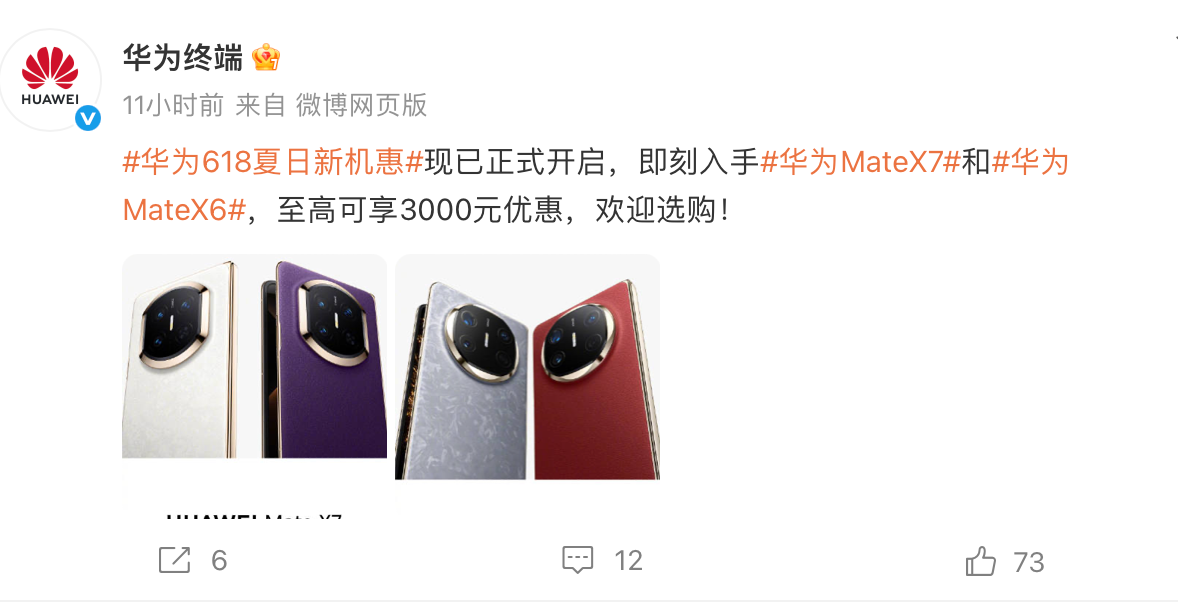
(Image source: Weibo)
The Mate X7 was launched last September. A large-format foldable, it features a 6.49-inch FHD external display and a 9-inch 2K internal screen. Its 5,600 mAh battery supports 66W fast charging. Reliability is positioned as its core selling point—highlighted by the newly upgraded Xuanwu architecture, and the Collector’s Edition’s second-generation Xuanwu Tempered Kunlun Glass on the outer display.
The Mate X6 debuted in 2024. Compared to the Mate X7, its design and color schemes are more restrained and understated, though its overall form factor remains similar. As a relatively mature product, its promotional discount is comparatively deeper: the standard edition drops ¥3,000 to start at ¥10,999; the Collector’s Edition drops ¥2,000 to start at ¥12,999.
Xiaomi: Redmi Targets Value, Xiaomi Focuses on Premium New Launches
Apple’s rivals are likewise engaging in 618 promotions—but each brand emphasizes different flagship models. For Xiaomi, the primary legacy model promoted this year is the Redmi K90 series. With numerous variants spanning a broad price range—and emphasizing value-for-money—it’s particularly well-suited for attracting target users through aggressive price cuts.
In particular, the Redmi K90 Pro Max stands out for exceptional value during this promotion. Its price has dropped to around ¥3,000 across JD.com, Taobao, and Pinduoduo. With national subsidies applied, it can go as low as approximately ¥2,600. This device packs the Snapdragon 8 Gen 5 Ultimate chip, a high-brightness super-pixel OLED display, a premium triple rear camera system, a massive 7,560 mAh battery, and 100W fast charging—making its competitive edge undeniable at this price point.
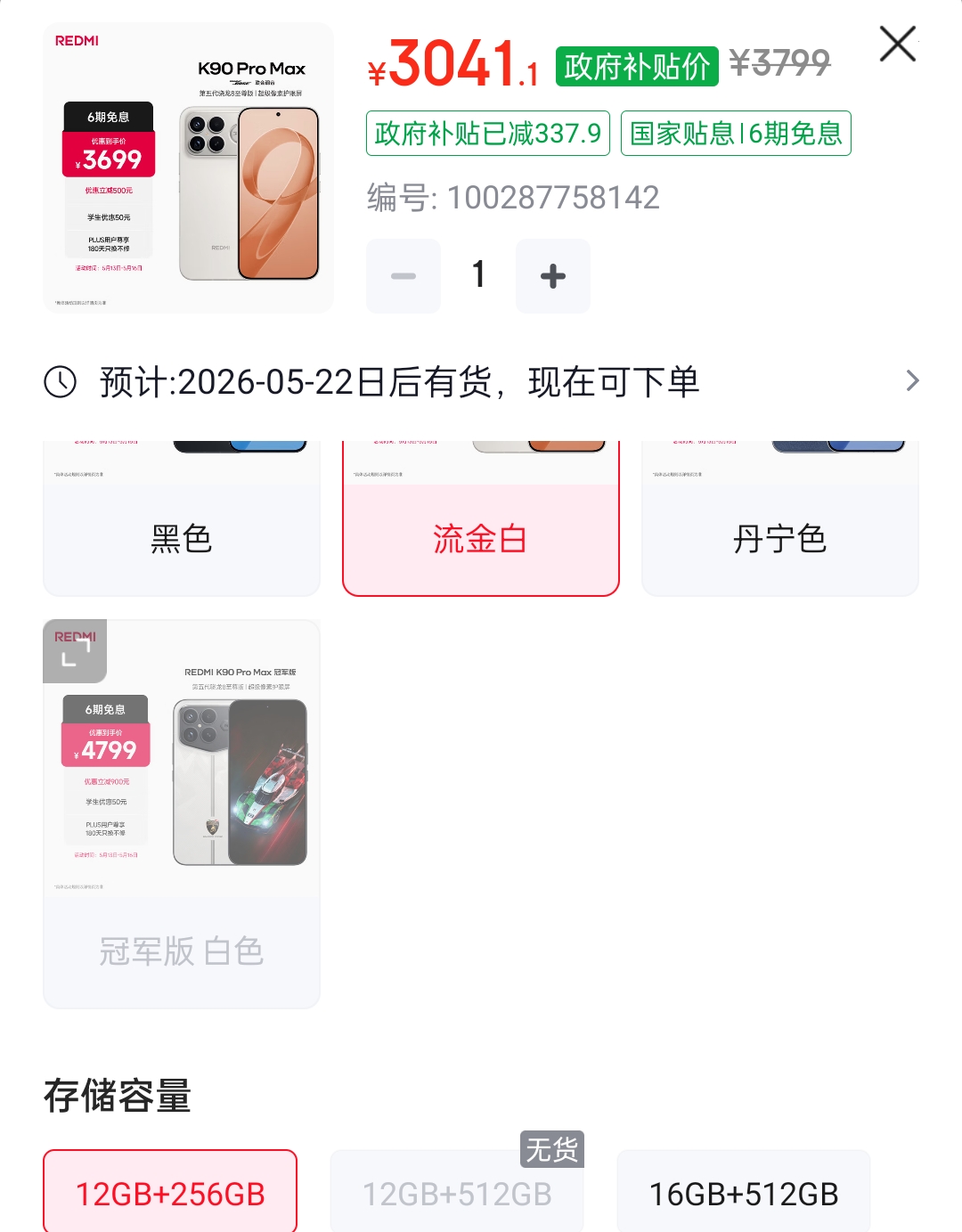
(Image source: JD.com)
Meanwhile, Xiaomi’s premium flagship line—the Xiaomi 17 series—has seen minimal price adjustments during this 618 event. Instead, the series welcomed a new addition: the Xiaomi 17 Max. Effectively an “upgraded version” of the base Xiaomi 17, it expands the display to 6.9 inches, debuts a 200-megapixel Leica main camera, and integrates an 8,000 mAh battery.
vivo: Major Promotions Finally Bring Prices Below Pre-Increase Levels
Currently, vivo’s primary 618 promotional model is the X300 series. For instance, the X300 12GB+512GB variant originally priced at ¥5,299 now receives a ¥900 discount during livestream events. Combined with national subsidies and Plus Member benefits, the final landed price falls to approximately ¥3,870.
The X300, launched last autumn, is vivo’s flagship offering powered by the MediaTek Dimensity 9500 chipset. It features a 200-megapixel Zeiss main camera and highlights Zeiss telephoto extension lenses as a key selling point. High-end display quality, a large-capacity battery, and high-wattage fast charging round out its comprehensive feature set.
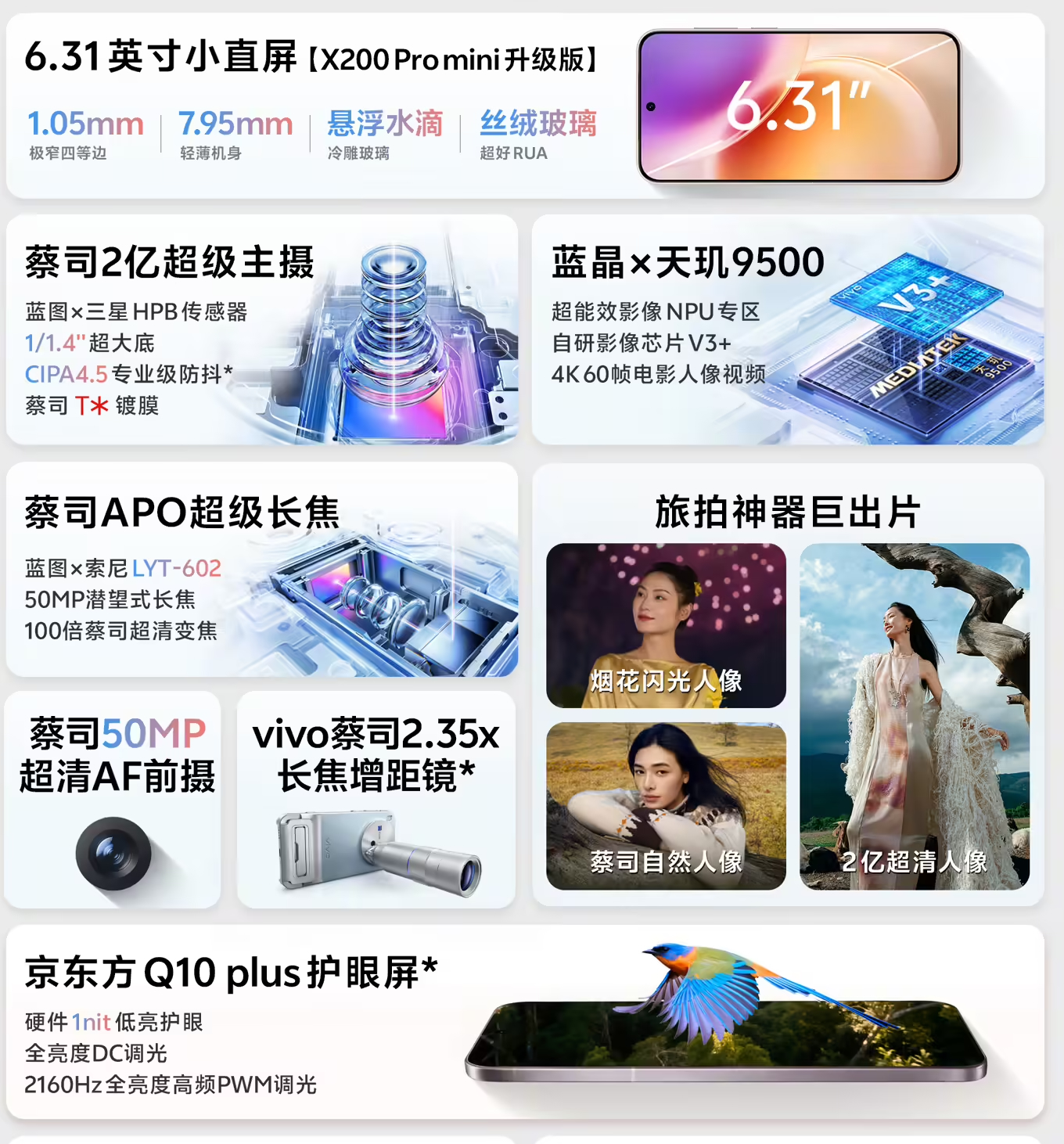
(Image source: vivo)
Notably, in March, vivo announced price increases across select models—including the X300 series—due to sharp rises in memory component costs. At that time, higher-capacity X300 variants saw ¥100 price hikes. Now, thanks to this round of 618 promotions, the X300’s price has finally dipped below its pre-increase level. A Dimensity 9500 imaging flagship priced around ¥3,000 indeed boasts formidable competitiveness.
OPPO: Ultra-Premium Flagship Drops ¥1,000
OPPO’s full-scale 618 rollout hasn’t yet begun, but some models are already participating in promotions. OPPO’s ultra-premium Find X9 Ultra sees discounts ranging between ¥700 and ¥1,000 depending on configuration—including national subsidies: ¥6,749 for 12GB+256GB, ¥7,199 for 12GB+512GB, and ¥7,649 for 16GB+512GB. The Find X9 Ultra ranks among the world’s top-tier flagships, featuring the Snapdragon 8 Gen 5 Ultimate chip, a 200-megapixel Hasselblad camera system, a 144Hz high-refresh-rate OLED display, a 7,050 mAh battery, and 100W fast charging.
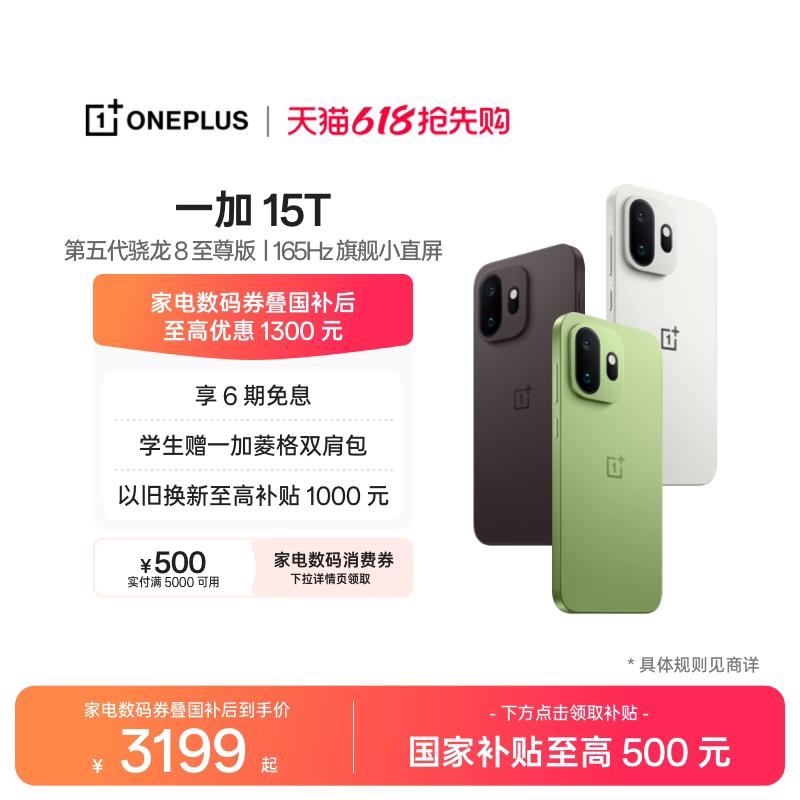
Additionally, OPPO’s sub-brand OnePlus is also joining the promotions. The OnePlus 15T delivers even more compelling value: with national subsidies, its lowest price reaches approximately ¥3,199—a maximum discount of ¥1,300. Moreover, the OnePlus 15T is a quintessential “well-rounded flagship,” equipped with the Snapdragon 6 Gen 5 Ultimate chip, a 7,500 mAh battery, and a 50MP triple-camera system—offering few compromises. Priced just above ¥3,000, it stands out strongly in the Android flagship segment.
(Image source: Taobao)
Honor: Back-to-Back New Launches, Emphasizing Massive Batteries
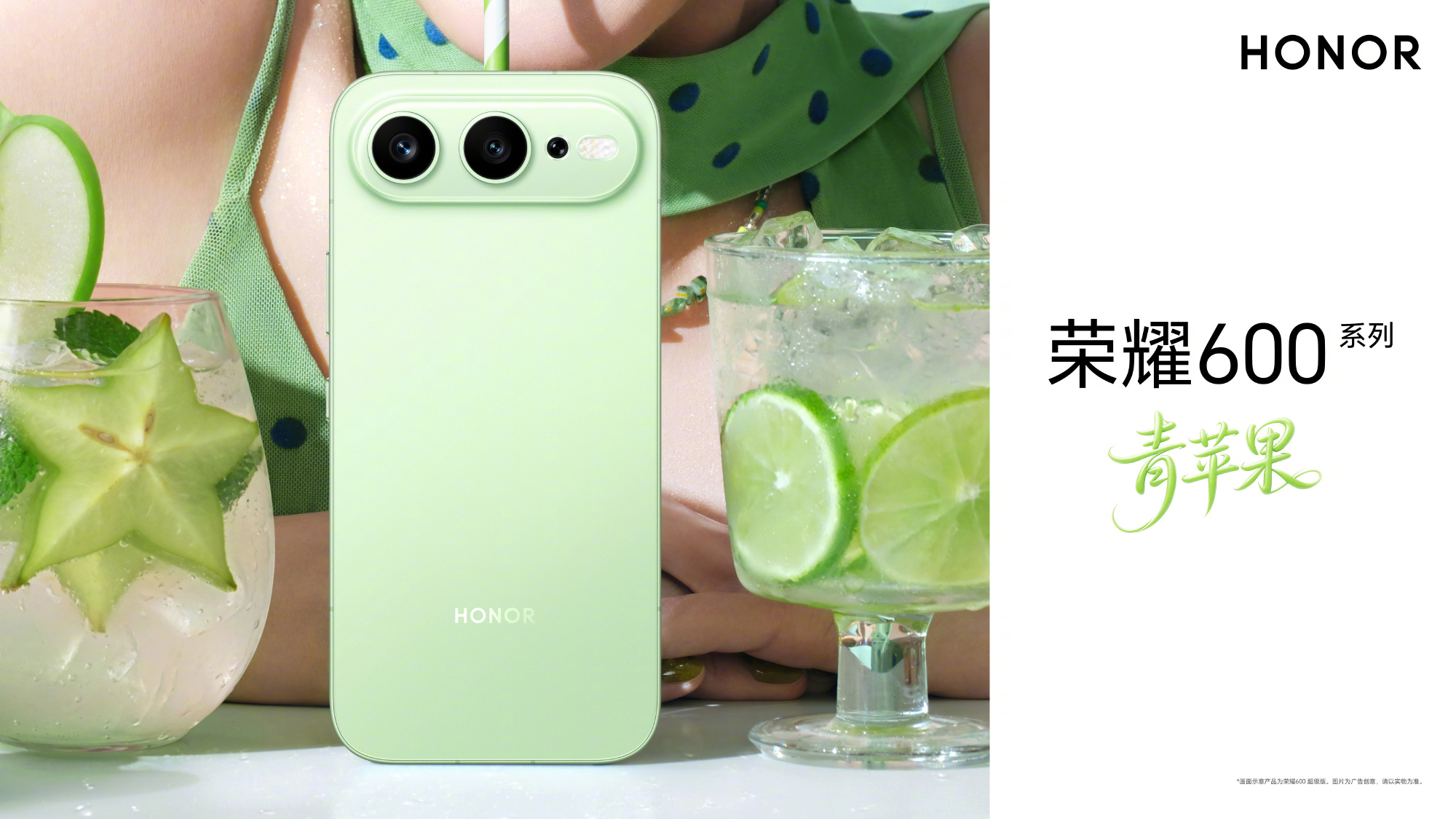
Honor’s official 618 promotions haven’t commenced yet—but new launches are arriving in rapid succession. On May 15, Honor officially announced that its Honor 600 series will launch on May 25. Based on information already disclosed, imaging and battery capacity are central pillars of this series: it features a 200-megapixel main camera supporting “4K Flash Micro-SLR Live” functionality, and an astonishing 8,600 mAh battery powered by Honor’s proprietary Qinghai Lake battery technology.
(Image source: Honor)
Simultaneously, Honor’s WIN series is expanding with a new member: the WIN Turbo—slated for release this month. Public details remain scarce, but judging from the previously launched WIN and WIN RT models, the WIN Turbo will likely emphasize robust performance delivery and an ultra-large battery. Specifically, it is expected to incorporate active cooling fans, and the “Turbo” moniker suggests further performance enhancements.
Mid-Year Industry Checkup: What’s Changed in Smartphone Products?
As of May 15, the number of new smartphone models launched in H1 2026 remains relatively modest. Apple released only the iPhone 17e in March. Xiaomi’s H1 activity was similarly limited, with new models primarily confined to Redmi’s mid-range offerings: the Turbo 5 (Q1) and K90 Max (Q2).
OPPO and vivo instead supplemented their existing flagship lines—introducing the OPPO Find X9 Ultra and vivo X300 Ultra. These ultra-premium flagships function as enhanced versions of last year’s primary flagships, both doubling down on imaging capabilities, including 200-megapixel sensors and periscope telephoto lenses.
Huawei unveiled an entirely new flagship lineup in April—the Pura 90 series—launching four models simultaneously. The ultra-premium Pura 90 Pro Max pushes imaging boundaries aggressively, integrating a massive 1/1.28-inch 200-megapixel telephoto sensor alongside second-generation Hongfeng Imaging Technology. Meanwhile, the Pura X Max represents a “new species” in foldables—the industry’s first horizontally outward-folding smartphone, generating immediate buzz upon launch.
Honor leveraged January’s MWC as its primary global stage, launching the Magic V6 foldable—setting a new record for foldables with its 7,000 mAh battery—and introducing the Robot Phone, a groundbreaking device incorporating embodied AI technology. Earlier, Honor also launched the ultra-thin flagship Magic 8 Pro Air—matching the weight of the iPhone Air while delivering uncompromised imaging and battery performance.
Examining these H1 releases reveals several emerging product trends.
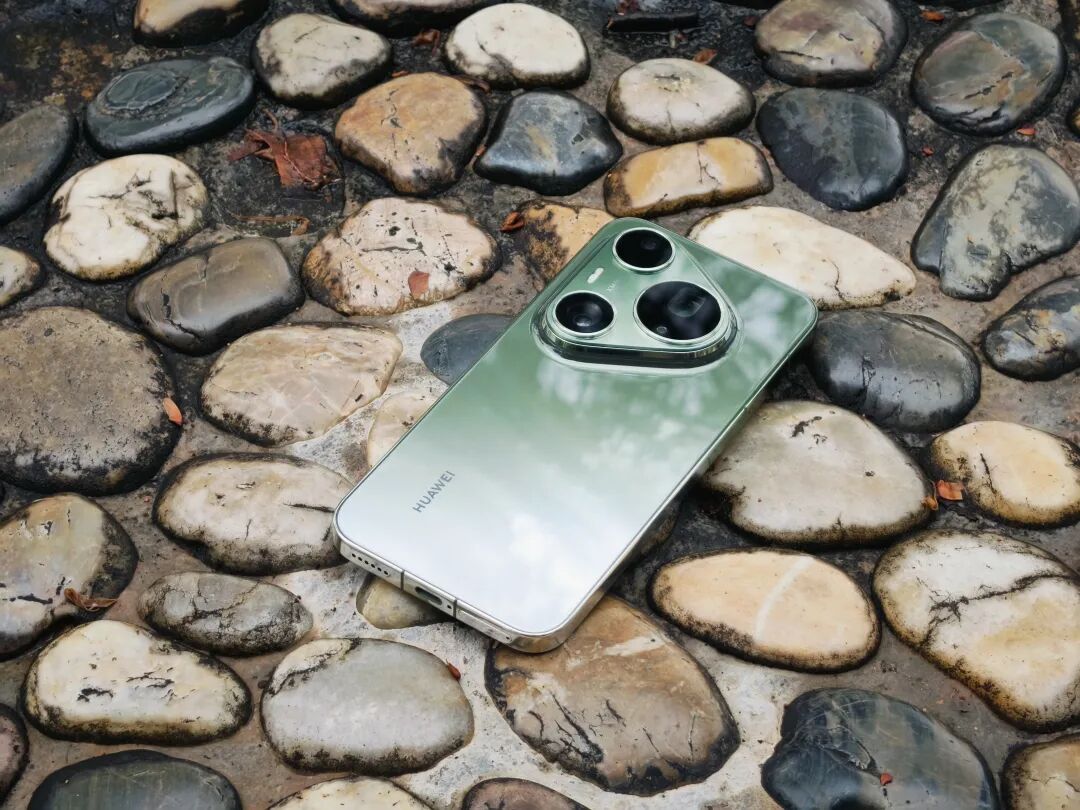
First, smartphone imaging has reached unprecedented heights. Reviewing this year’s flagship models, one keyword stands out consistently: 200 megapixels. Currently, virtually all top-tier domestic flagships feature a 200-megapixel main camera. Such ultra-high resolution enables near-optical-quality zooming, supports 8K video recording, and delivers superior electronic image stabilization.
(Image source: LeiTech)
The fierce competition in smartphone imaging has persisted for years—evolving from hardware specs to software algorithms, then to co-branded partnerships and color science tuning. Today, stable collaborations exist between Xiaomi and Leica, OPPO and Hasselblad, and vivo and Zeiss.
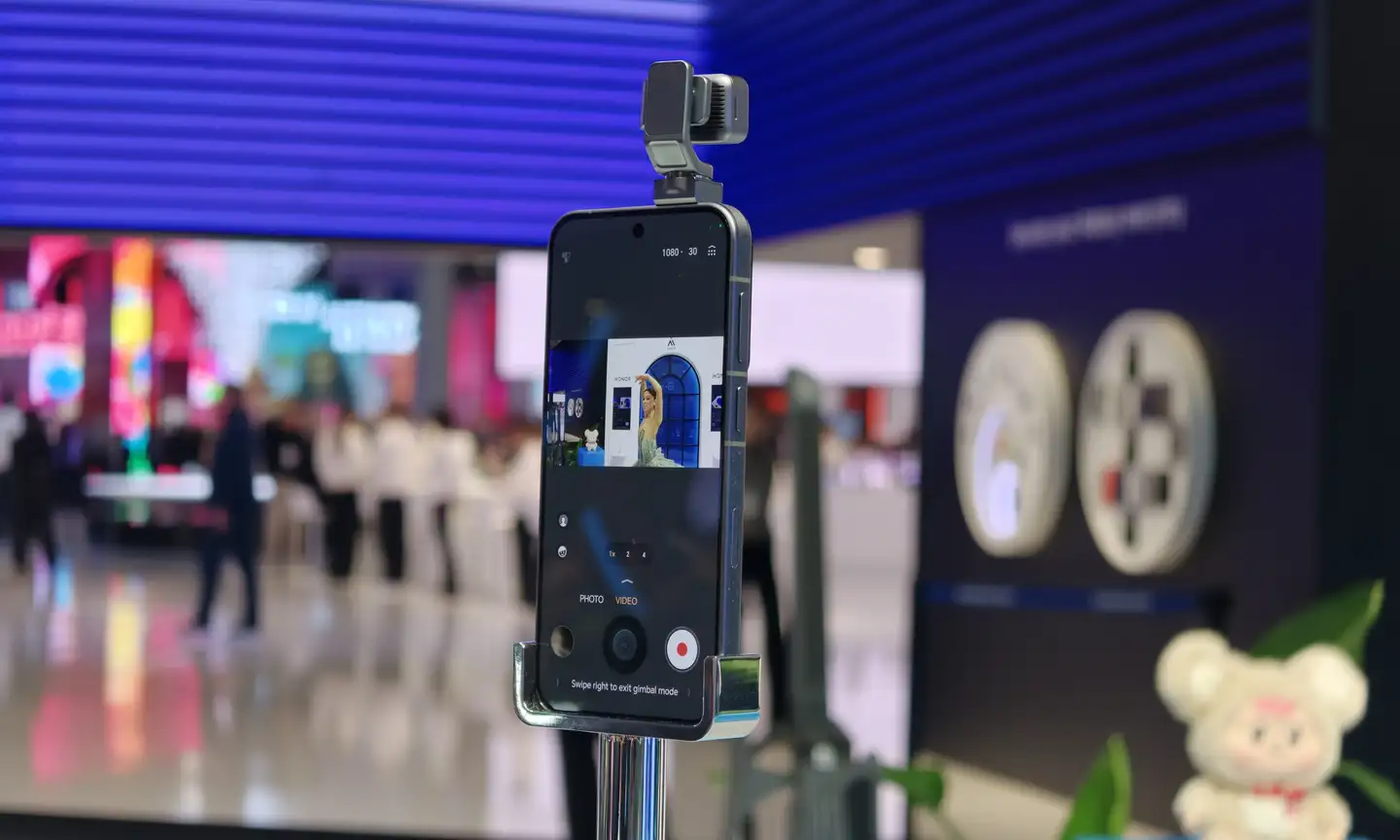
Second, AI integration with smartphones is becoming increasingly seamless. At MWC, Honor’s Robot Phone introduced a revolutionary auto-tracking mechanical camera structure—an innovative application of embodied AI that unlocks novel use cases. Meanwhile, following OpenClaw’s breakout popularity, smartphone vendors are placing greater emphasis on deploying “Claw” tools on mobile devices. Both Xiaomi and Huawei are currently testing Claw tools and integrating them with their respective voice assistants.
(Image source: LeiTech)
OPPO, vivo, and Honor have invested heavily in intelligent agent applications. Take Honor, for example: its intelligent agent excels at intent recognition and cross-app task execution. Upon hearing user commands, Honor smartphones can perform multi-app actions—such as ordering food or sending files—across different applications.
It’s now evident that AI competition on smartphones has moved beyond superficial claims about chip-level AI compute power or model parameter counts. Instead, the focus has shifted decisively toward concrete, scenario-specific integrations that deliver tangible user experience improvements. After all, most everyday users care less about arcane AI terminology and far more about real-world usability.
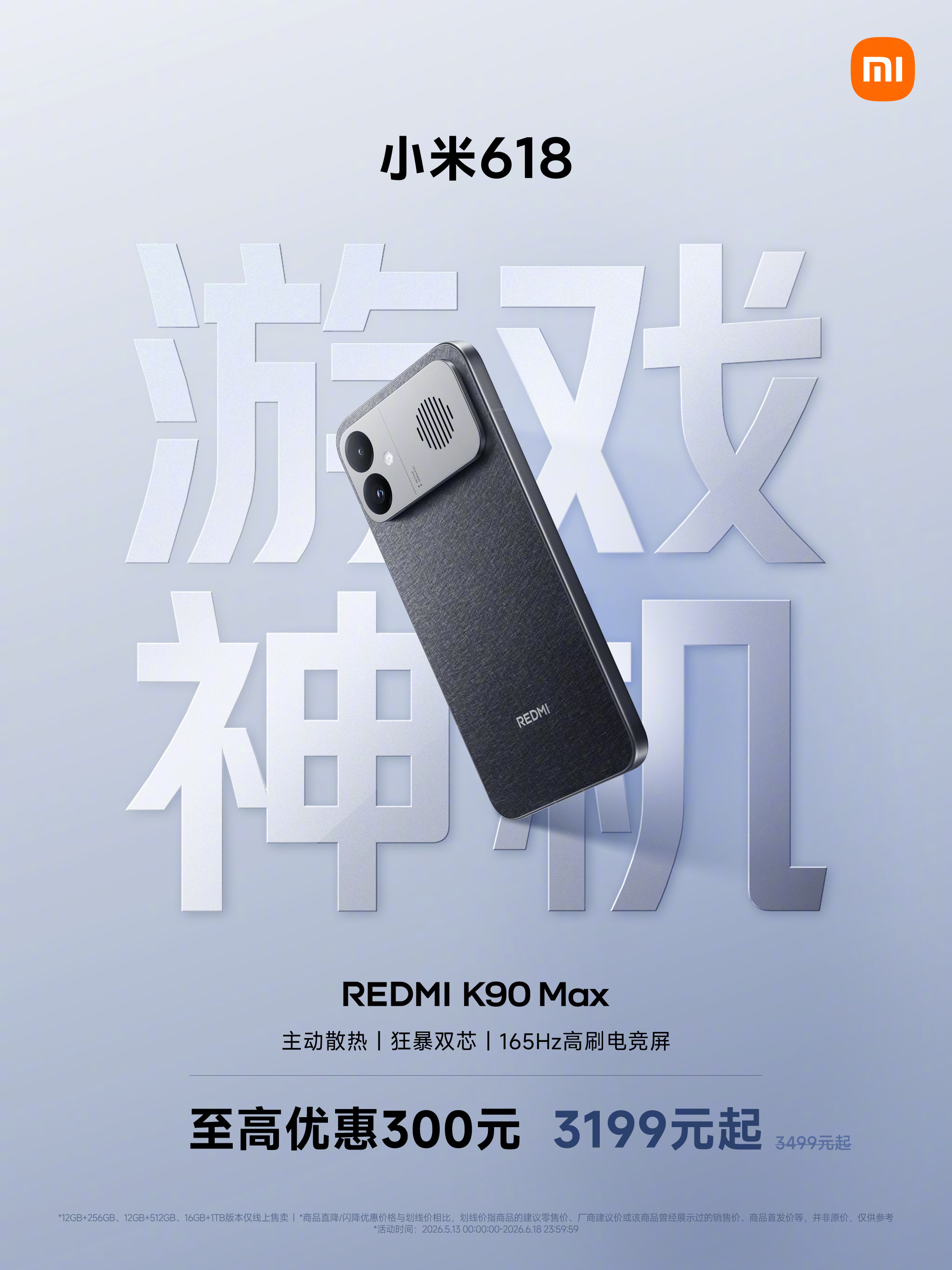
Moreover, smartphone brands are exploring historically niche segments to carve out differentiated positioning. A prominent example is the growing adoption of active fan-based cooling systems. Beyond Honor, Xiaomi has begun implementing such solutions in models like the K90 Max, and niche gaming-focused brands like Red Magic and ROG have also launched similar products. Fan cooling’s primary purpose is enabling sustained, stable performance output—especially beneficial in high-load scenarios like mobile gaming.
(Image source: Xiaomi)
Overall, the smartphone industry faces unprecedented challenges this year. Soaring memory prices have placed immense cost pressure on all OEMs. Consequently, most brands are streamlining SKUs and significantly reducing entry-level and budget models.
Meanwhile, the premium flagship segment—which still retains margin headroom—has become the epicenter of intense competition. Performance, charging speed, imaging, and display technologies are all being pushed to new extremes. Furthermore, accelerated AI deployment and R&D into unconventional smartphone categories are equally driven by mounting survival pressures.
Is This Year’s 618 Still Worth Participating In?
As noted earlier, Apple’s 618 discounts are modest, while other brands mainly aim to clear inventory. Most promoted devices are last year’s flagship models—whose initial high pricing leaves sufficient margin to absorb rising memory costs, and whose lifecycle naturally aligns with making way for upcoming autumn releases.
For consumers seeking maximum savings, leveraging manufacturer promotions alone may no longer suffice. Instead, seek supplementary support from national subsidies, local consumption vouchers, and bank promotions—“external players” that can provide additional leverage, since smartphone brands themselves have limited room left to concede further discounts. Judging by discount depth, this year’s 618 may well be a “low-key edition.”
In our view, the most worthwhile purchases this 618 remain high-value flagship and upper-mid-tier devices. The rationale is straightforward: these models deliver stronger performance and richer specifications, ensuring longer usable lifespans. Some flagships offer exceptional value—like the ¥3,000-tier models mentioned earlier—where future price reductions are unlikely. Given potential continued memory price hikes, now truly represents an opportune moment to buy.
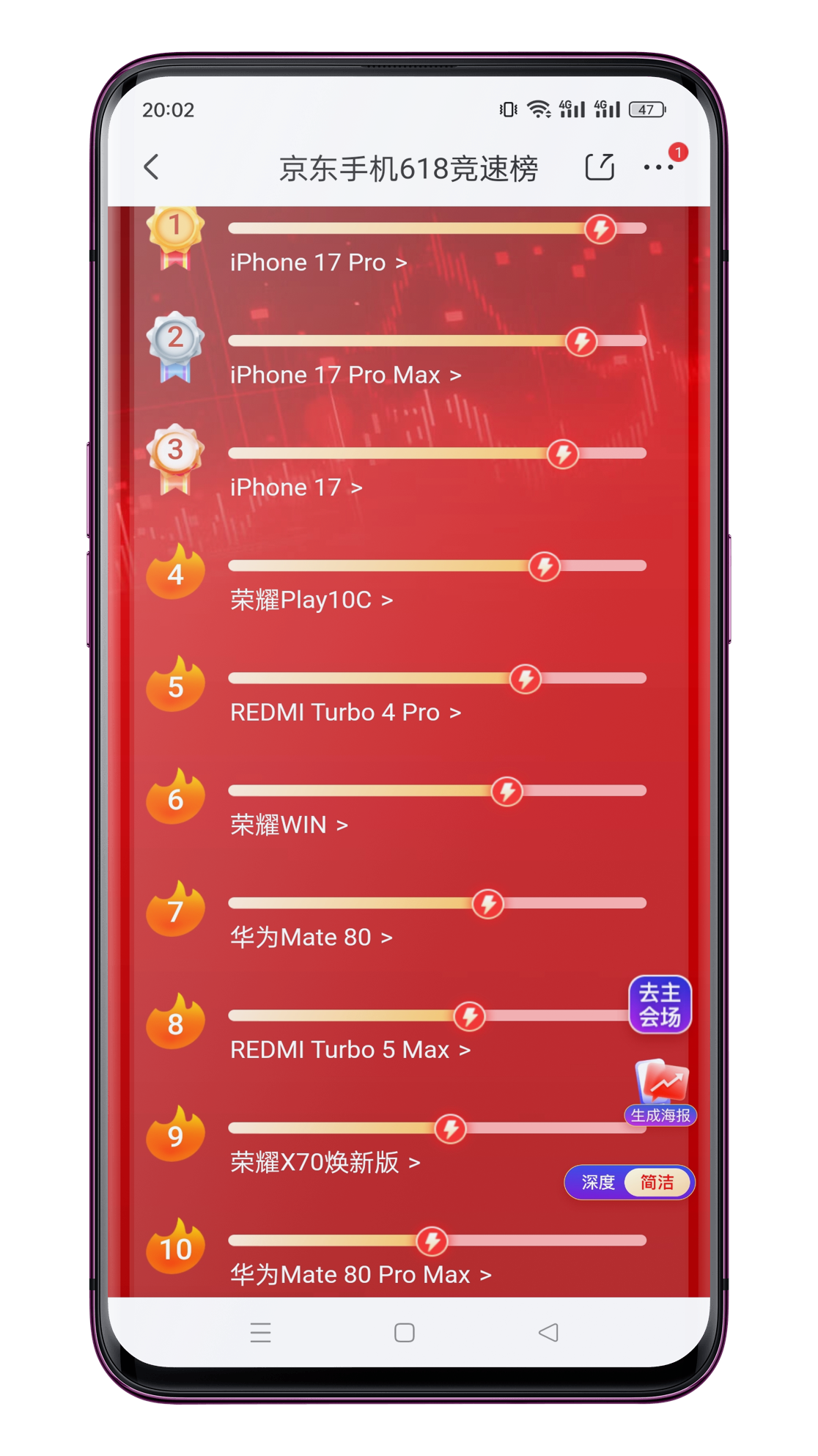
On JD.com’s smartphone sales leaderboard, we observe that most top-ten models are flagships—with entry-level devices appearing far less frequently than in previous years. This shift underscores how storage cost pressures are rapidly shrinking the viability of budget smartphones. Right now, flagships and upper-mid-tier models hold the greatest purchasing value.
(Image source: JD.com)
Additionally, we personally advise against purchasing devices with excessively small RAM or storage capacities. Although larger-capacity variants command higher prices today, storage size critically impacts daily smoothness and responsiveness. Once free space dwindles after extended use, performance degradation becomes highly noticeable.
Currently, this year’s 618 has only just begun—and traditionally spans the entirety of May and June. If your desired device hasn’t yet entered its promotional phase, patience may pay off. Meanwhile, LeiTech (ID: leitech) will continue closely tracking this year’s 618 activities and delivering in-depth coverage on products, brands, and industry developments—stay tuned.