
 雷科技
雷科技





From Li Xiang’s Weibo teaser at the start of the year to its debut at the Beijing Auto Show, the all-new Ideal L9 has kept everyone eagerly anticipating its arrival—and external speculation about this flagship refresh has been rife.
This afternoon, the new Ideal L9 Livis officially launched, with a starting price of RMB 509,800—RMB 50,000 lower than its pre-order price.
Ideal ranks among the earliest brands to establish a firm foothold in China’s large new-energy SUV segment. With its three core value propositions—“spacious interior, zero range anxiety, and exceptional ride comfort”—the original Ideal L9 quickly seized an early advantage in the premium SUV market. However, following the market entries of rivals such as the Huawei Aito M9, Zeekr 9X, and Voyah Taishan, Ideal’s sales focus gradually shifted toward more affordable models like the L6 and i6.
Ideal’s launch of the all-new L9 Livis is clearly aimed at reclaiming its leadership position in the premium SUV segment.
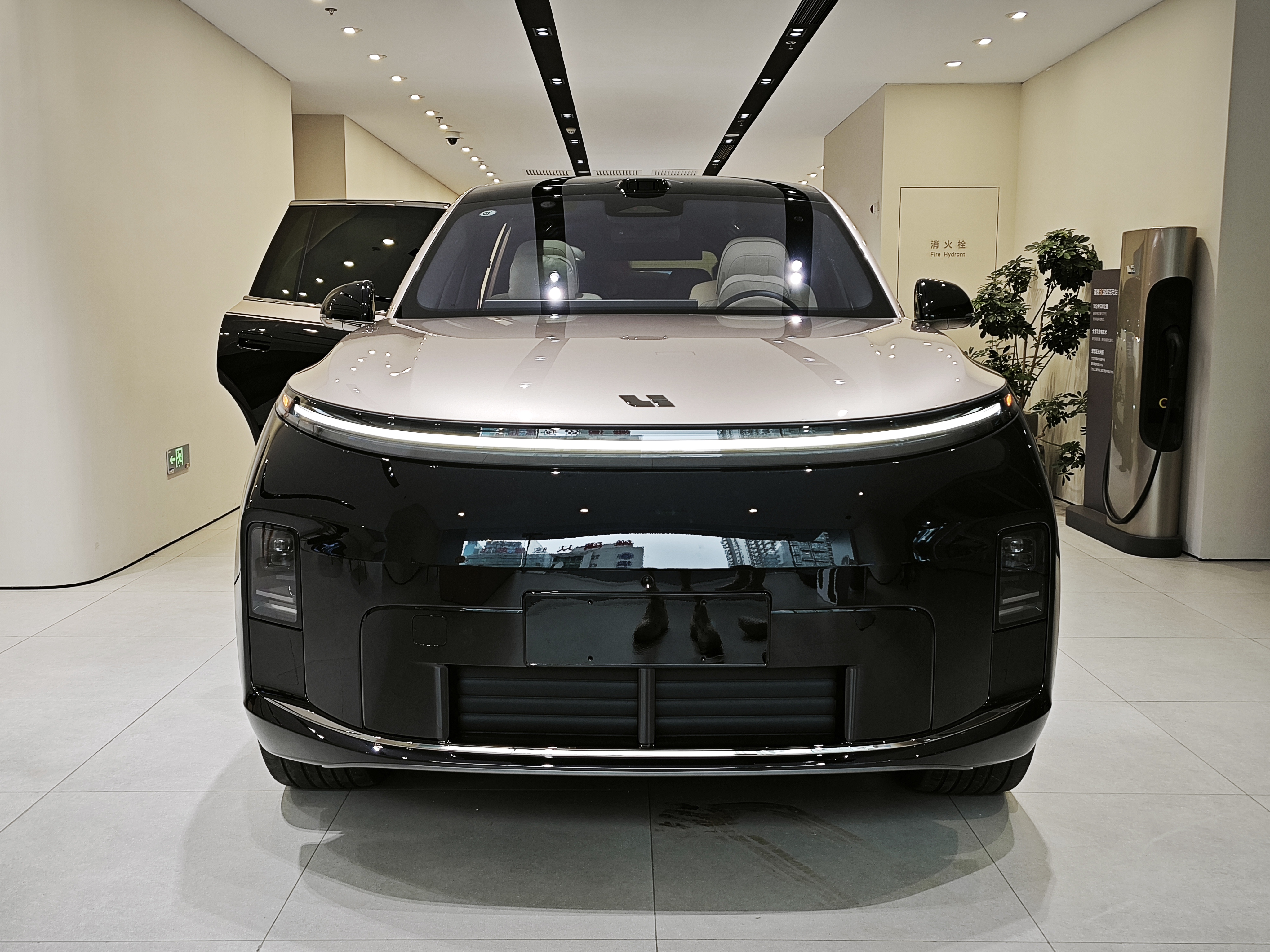
Image source: Dianche Tong
Frankly speaking, Ideal essentially pioneered this niche segment—but competitors’ capabilities are nothing to scoff at. To get a clear understanding of the new model, Dianche Tong (ID: dianchetong233) meticulously analyzed information released during the launch event and visited dealerships on launch day for hands-on evaluation.
Today, we’ll assess whether this comprehensively upgraded flagship can help Ideal win the battle to defend its dominance in the premium SUV market.
Has It Solved the Key Weaknesses of Large-SUVs?
Compared with the previous top-tier trim, the upgrades in the all-new Ideal L9 are highly conspicuous—especially in the L9 Livis variant, which delivers sweeping improvements across key user-focused dimensions: advanced driver assistance, chassis technology, powertrain and range, and cabin experience.
These enhancements directly address the most frequently cited user feedback points. Li Xiang himself publicly acknowledged shortcomings in the first-generation L9’s chassis, chip, and battery-cell technologies—confirming that the all-new L9 truly listened to its users.
Most notably, while the original L9 delivered a comfortable ride, that comfort was unbalanced: traversing speed bumps felt like gliding over cotton, and highway cruising resembled floating on a magic carpet—yet drivers still experienced the characteristic “floating sensation” inherent to large vehicles.
The result? The vehicle performed flawlessly in urban settings, but noticeable body roll persisted during mountain driving or consecutive lane changes and overtaking maneuvers. Additionally, low-speed U-turns or tight-space maneuvering highlighted the unwieldy nature of its 5.2-meter length—constantly reminding drivers this was no compact car.
To address these issues head-on, the Ideal L9 Livis adopts a full-drive-by-wire active chassis system—including an 800V active suspension, steer-by-wire, rear-wheel steering, and EMB (electro-mechanical braking) technology.

Screenshot: Ideal Auto official livestream
According to official claims, the fully drive-by-wire chassis enables independent wheel lift control—reducing brake dive and cornering body roll. Even if three wheels simultaneously fail, the vehicle can still stop safely using just one wheel. Combined with a class-leading minimum turning radius of 5.3 meters, rear-wheel steering significantly enhances maneuverability for such a large vehicle.
Beyond the chassis, driver-assistance capabilities have also seen substantial upgrades.
Ideal’s ADAS system is already mature: its current second-generation VLA large model can directly interpret voice commands. The new Ideal L9 Livis goes further, integrating four LiDAR sensors and two proprietary 5-nanometer Mach 100 chips—delivering a combined total compute capacity of 2,560 TOPS.
The vehicle supports full-scenario Navigation on Autopilot (NOA), covering national expressways, urban ring roads, and typical city streets. Additional features include memory parking, remote parking-in, straight-line summon, and support for over 300 complex parking scenarios.
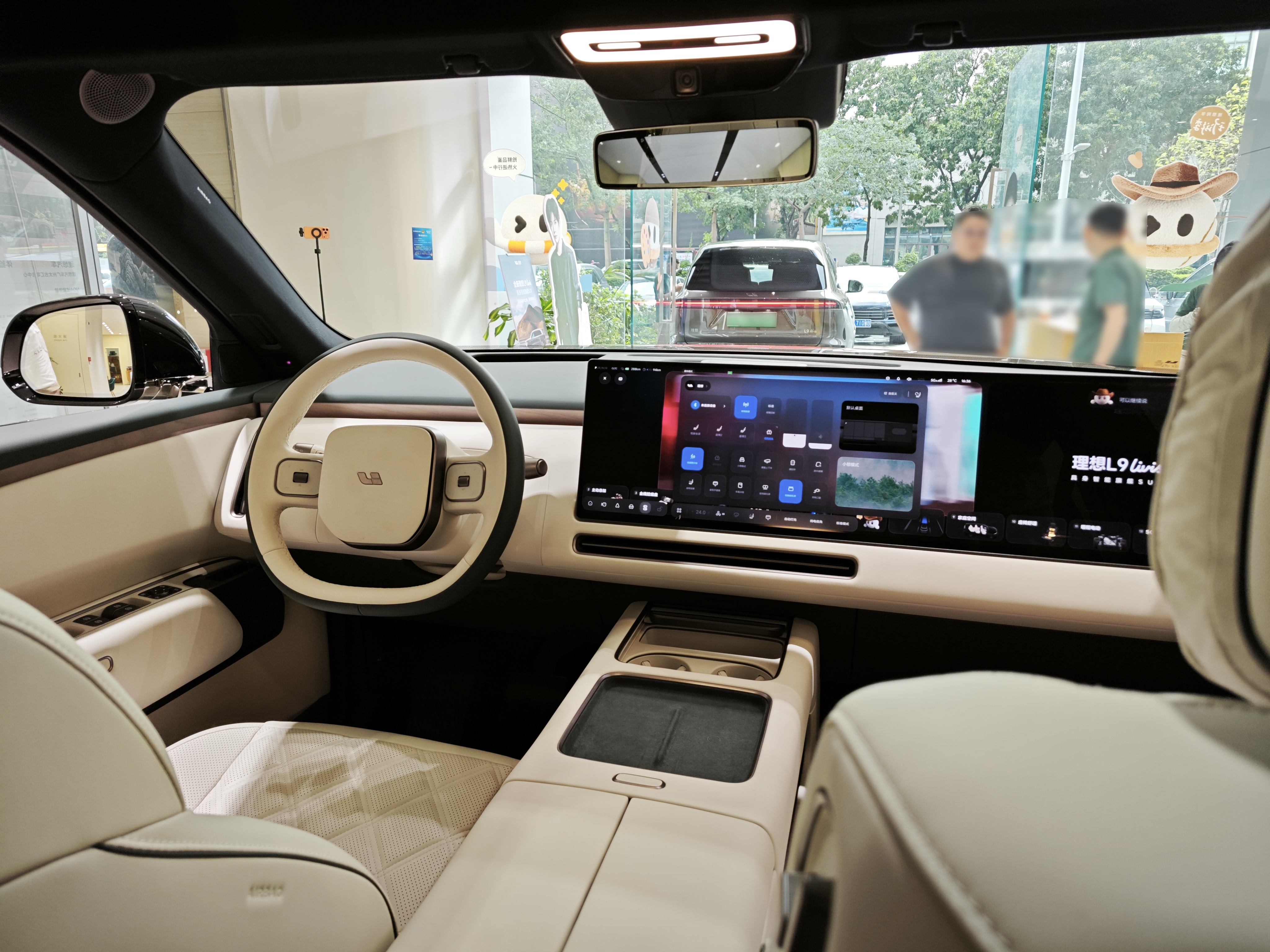
Image source: Dianche Tong
Four LiDARs plus 2,560 TOPS of compute power places this hardware specification firmly in the industry’s top tier among production vehicles today. Yet a critical question remains: Do users genuinely need this much processing power?
Dianche Tong (ID: dianchetong233) believes Ideal’s strategy is to “over-provision” hardware upfront—ensuring ample headroom for future algorithmic upgrades. While actual real-world performance remains to be verified, high specs undoubtedly bolster consumer confidence and ensure the vehicle won’t be prematurely rendered obsolete by hardware limitations.
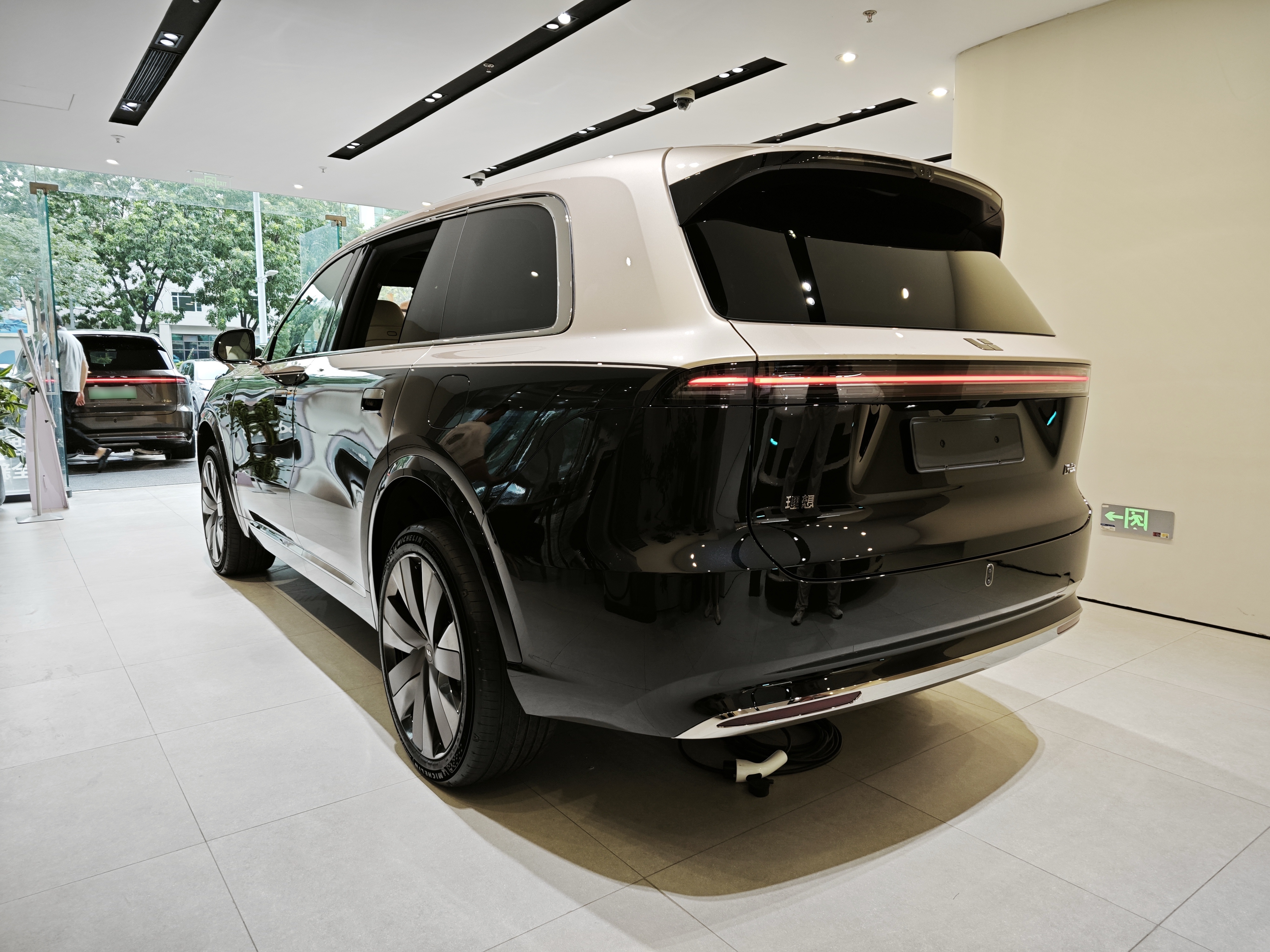
Image source: Dianche Tong
Powertrain and range have also improved. The all-new Ideal L9 achieves a 0–100 km/h acceleration time of 4.9 seconds. Its WLTC-rated fuel consumption in charge-sustaining mode drops to 6.3 L/100 km—a nearly 20% reduction versus the current model. The vehicle is equipped with a 72.7 kWh battery pack, delivering a CLTC-rated pure-electric range of 420 km and a combined range of up to 1,650 km. It supports peak 5C ultra-fast charging at 420 kW—enabling a charge from 10% to 80% in just 10 minutes.
In Dianche Tong’s (ID: dianchetong233) view, the Ideal L9 now fully satisfies both daily commuting and long-distance family travel requirements in terms of refueling speed, charge-sustaining fuel efficiency, and pure-electric range. In particular, the 420-km pure-electric range means most urban commuters can use it as a de facto BEV—while the 5C ultra-fast charging capability finally resolves the longstanding “range-extended EVs shouldn’t require frequent charging” pain point.
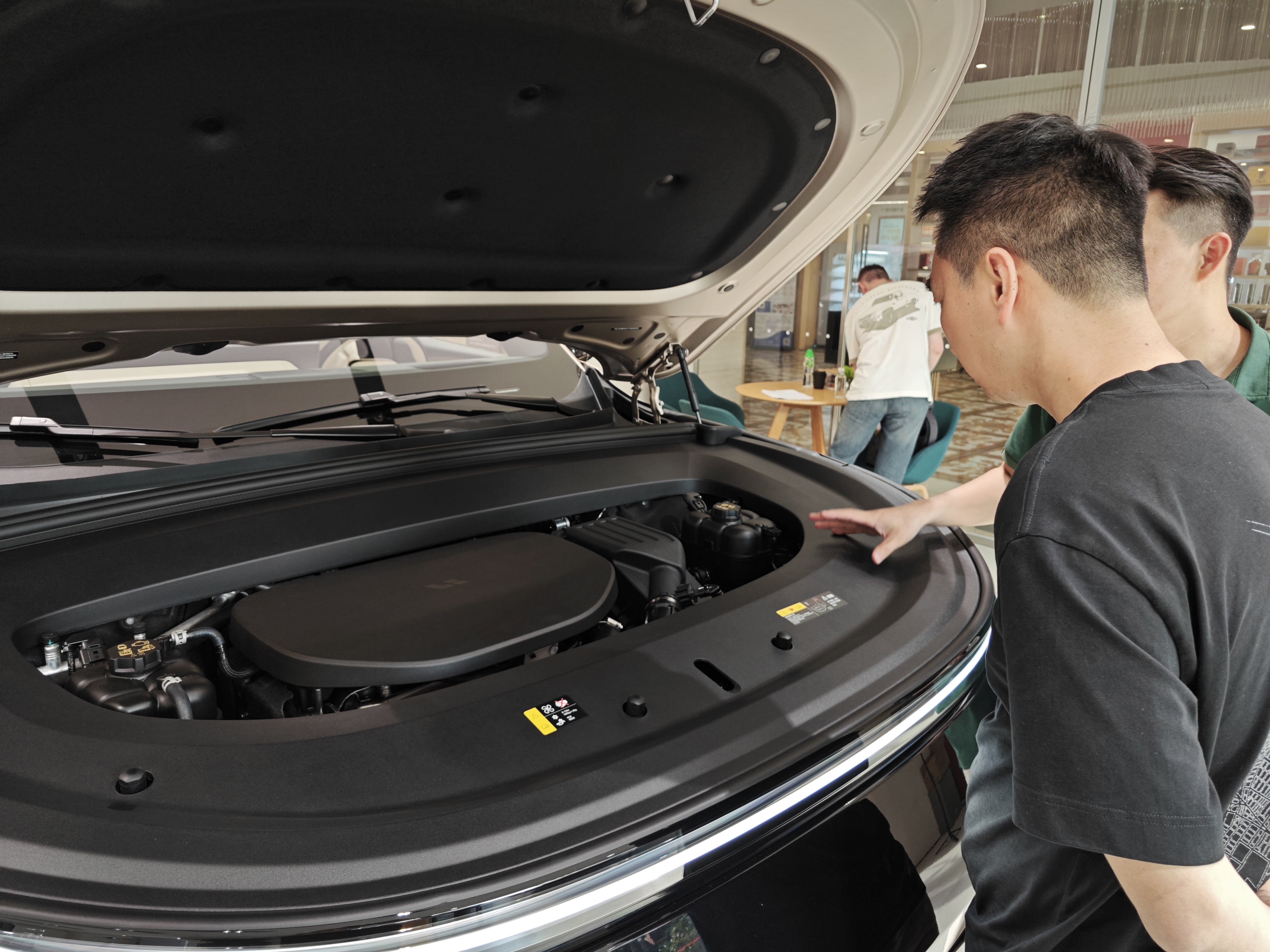
Image source: Dianche Tong
The cabin has undergone major revisions, most visibly upgrading the dual-screen setup of the previous L9 to a single 29-inch ultra-wide panoramic display—with a screen-to-body ratio of 92.4%. It’s powered by Qualcomm’s flagship Snapdragon 8797 Elite chip, featuring a 320-TOPS NPU, 90-Hz display refresh rate, and resolution and brightness rated at 6K and 1,000 nits respectively. Other infotainment and cabin updates will be covered later.
Based solely on officially published specifications, the Ideal L9 Livis’ parameters and configurations appear fully optimized. Yet Dianche Tong (ID: dianchetong233) contends that merely having a large screen and powerful chip is table stakes—the true differentiator lies in software experience and ecosystem integration. Ideal has built solid expertise in cabin interaction; whether it can fully leverage the advantages of this massive display remains to be validated through real-world usage.
Who’s Actually Interested in This RMB 500,000 Domestic SUV?
On launch day, Dianche Tong (ID: dianchetong233) visited an Ideal dealership to experience the L9 Livis firsthand. Interestingly, foot traffic wasn’t as overwhelming as anticipated—moderate rather than frenetic. Yet when I requested a test drive, I was informed that slots were fully booked for the next two days.
Conversations with prospective buyers and dealership staff revealed strong enthusiasm for the new model—and clarified precisely who’s willing to spend over RMB 500,000 on this vehicle.
Dianche Tong (ID: dianchetong233) observed that most visitors fell within the 30–50 age bracket—predominantly middle-aged families. They typically have large households, regularly undertake family road trips or holiday visits to relatives, and several were existing Ideal owners who’d driven L7 or L8 models for years—highly satisfied with Ideal’s quality and after-sales service—and planning direct upgrades to either the new L9 Ultra or L9 Livis.
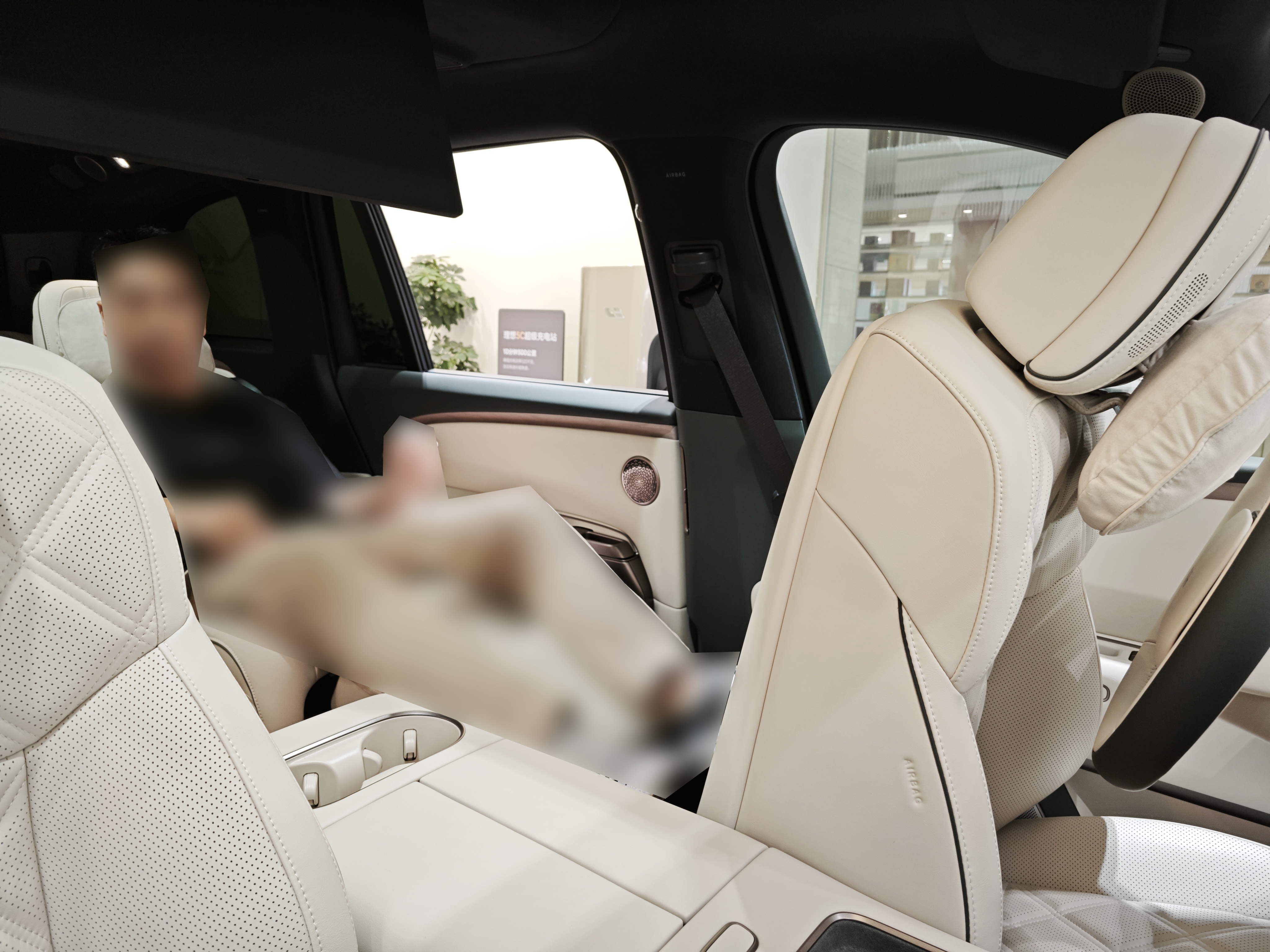
Image source: Dianche Tong
A portion of visitors were previously considering traditional luxury ICE flagships like the Mercedes-Benz GLS or BMW X7. After comparison, they concluded that conventional luxury SUVs featured outdated configurations, lagged in intelligent functionality, consumed excessive fuel, and incurred higher long-term ownership costs. By contrast, the Ideal L9 Livis seamlessly integrates premium craftsmanship, cutting-edge smart tech, and practical family usability—eliminating range anxiety while keeping routine maintenance expenses low—making it far better aligned with contemporary family mobility needs.
Deep conversations with several potential buyers revealed remarkably grounded expectations.
Unsurprisingly, ride comfort and overall driving dynamics ranked first. Purchasing such a large SUV is primarily motivated by passenger comfort—especially for elderly family members and young children, who benefit greatly from gentle vibration damping, cabin quietness, and smooth, non-jarring motion.
Second came practicality of intelligent driving assistance and interior luxury. Many frequently drive solo on highways or undertake inter-provincial road trips—so reliable ADAS significantly reduces driver fatigue. Spending over RMB 500,000 naturally raises expectations for material quality, fit-and-finish, seat comfort, and acoustic insulation. The new model’s attention to detail makes its premium positioning feel justified.
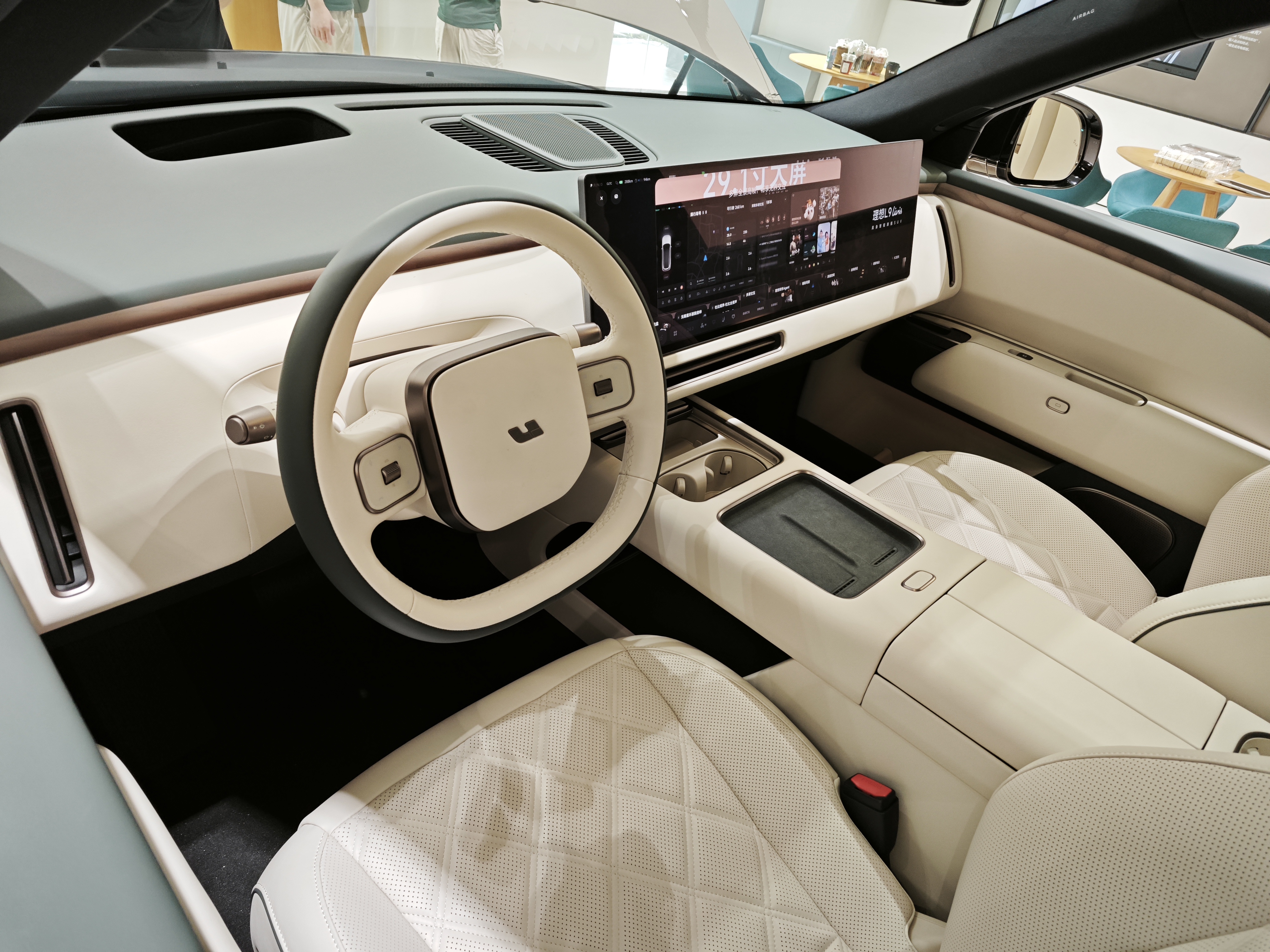
Image source: Dianche Tong
One owner shared that his three-year-old child suffers from motion sickness. “The luxury-brand SUV I currently drive starts making my kid fussy if I hit a speed bump even slightly too fast,” he explained. “I came specifically to try the Ideal L9 Livis after hearing its chassis is more stable and reportedly reduces motion sickness—I wanted to verify it myself.”
Another prospective buyer emphasized cabin quietness and seat comfort: “Both my parents suffer from chronic back pain, so extended rides leave them uncomfortable. I sat in the second row briefly—it offered just-right firmness and excellent lumbar support. And once the doors closed, outside noise virtually disappeared. That refinement is genuinely superior to the previous generation.”
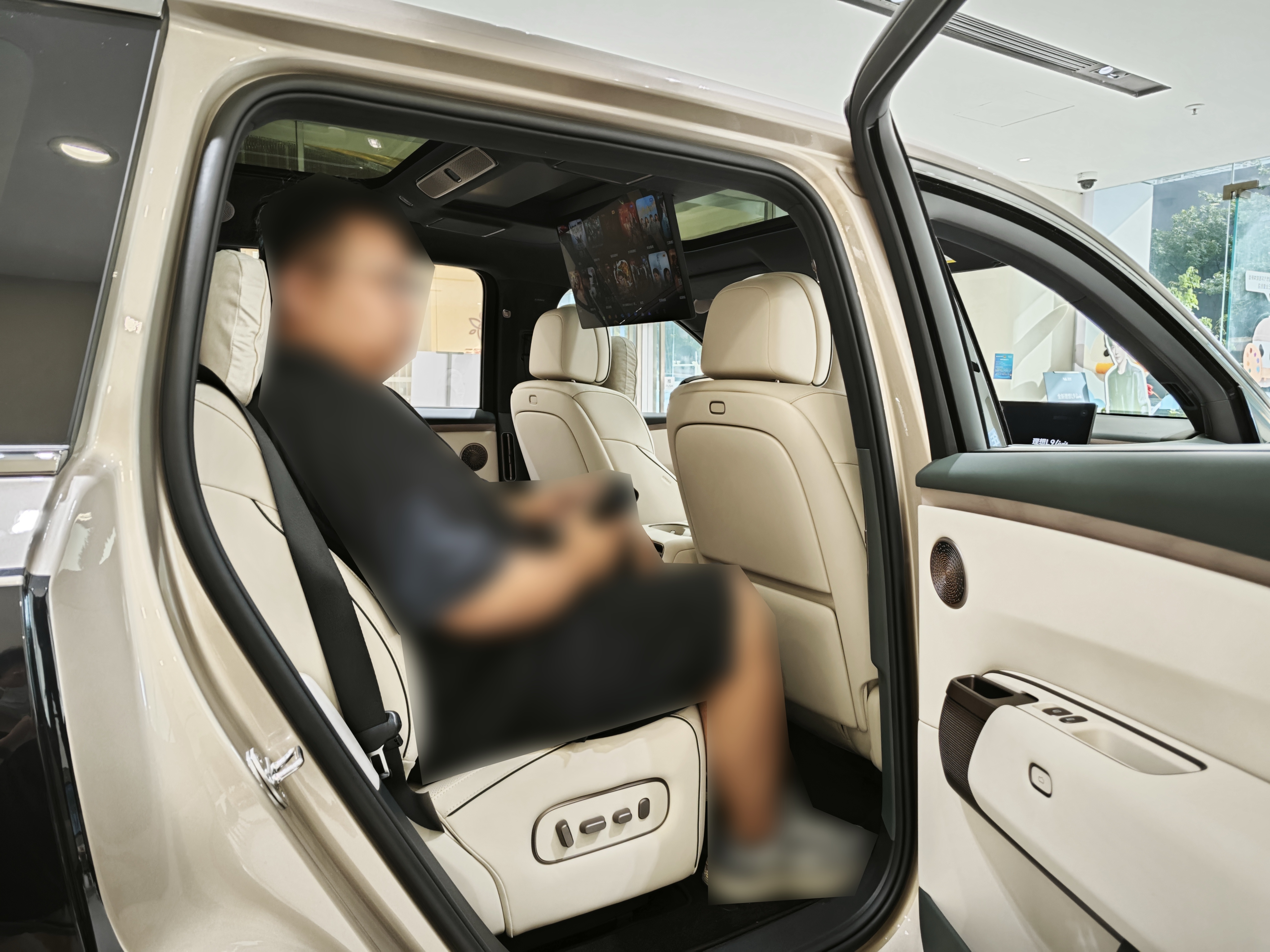
Image source: Dianche Tong
Having discussed others’ impressions, let’s now share Dianche Tong’s (ID: dianchetong233) own static evaluation highlights.
First impressions upon entering the cabin? Spaciousness is undeniable—but not the “unrefined bigness” sometimes associated with large SUVs. Second-row legroom is generous: At 170 cm tall, I had over three fists’ clearance between my knees and the front seatback. The third row isn’t merely decorative either—offering adequate headroom and legroom for two adults on short journeys.
That said, the trunk’s base volume is somewhat modest, and its depth is underwhelming—functionally present but unremarkable.
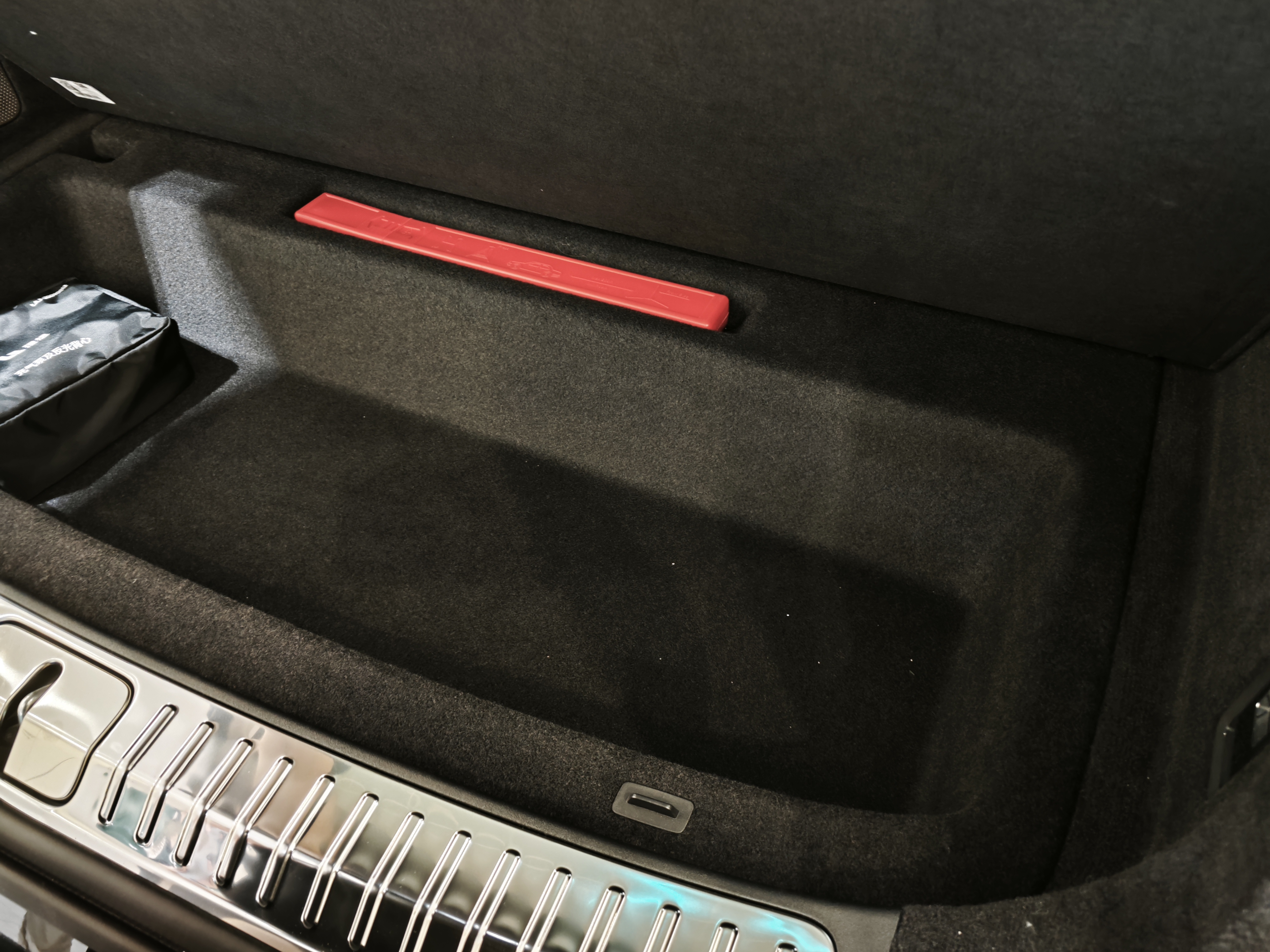
Image source: Dianche Tong
Dianche Tong (ID: dianchetong233) specifically assessed the second-row seat material: The leather feels refined and strikes a balanced middle ground between Japanese-style plush softness and German-style supportive firmness—neither overly sinking nor uncomfortably stiff.
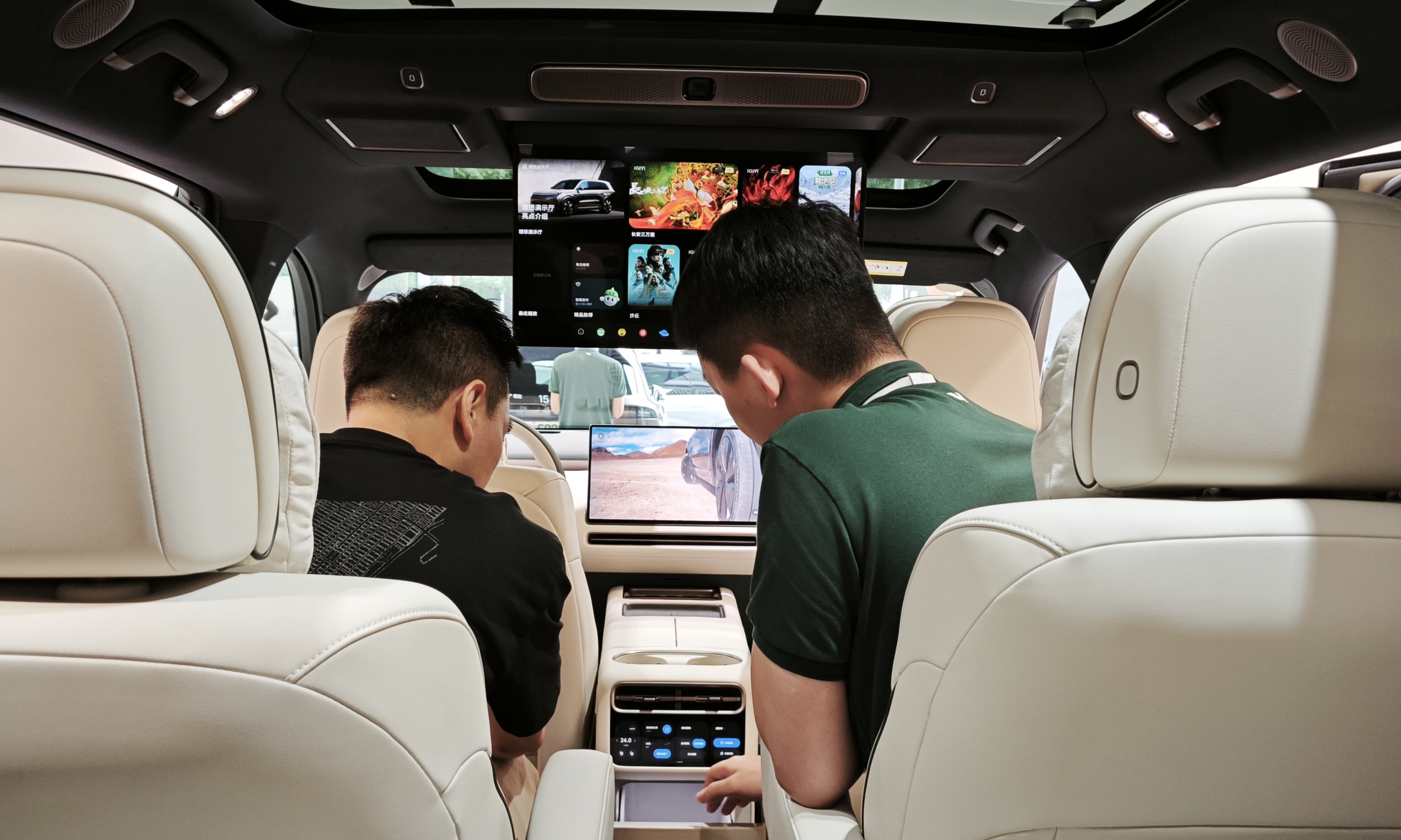
The ceiling-mounted second-row screen delivers exceptional fluidity—and its fore-aft adjustability is undeniably practical. When pushed forward, the screen sits roughly one arm’s length from the second-row passenger—even with the front passenger seatback at a normal recline angle—creating an ideal viewing distance.
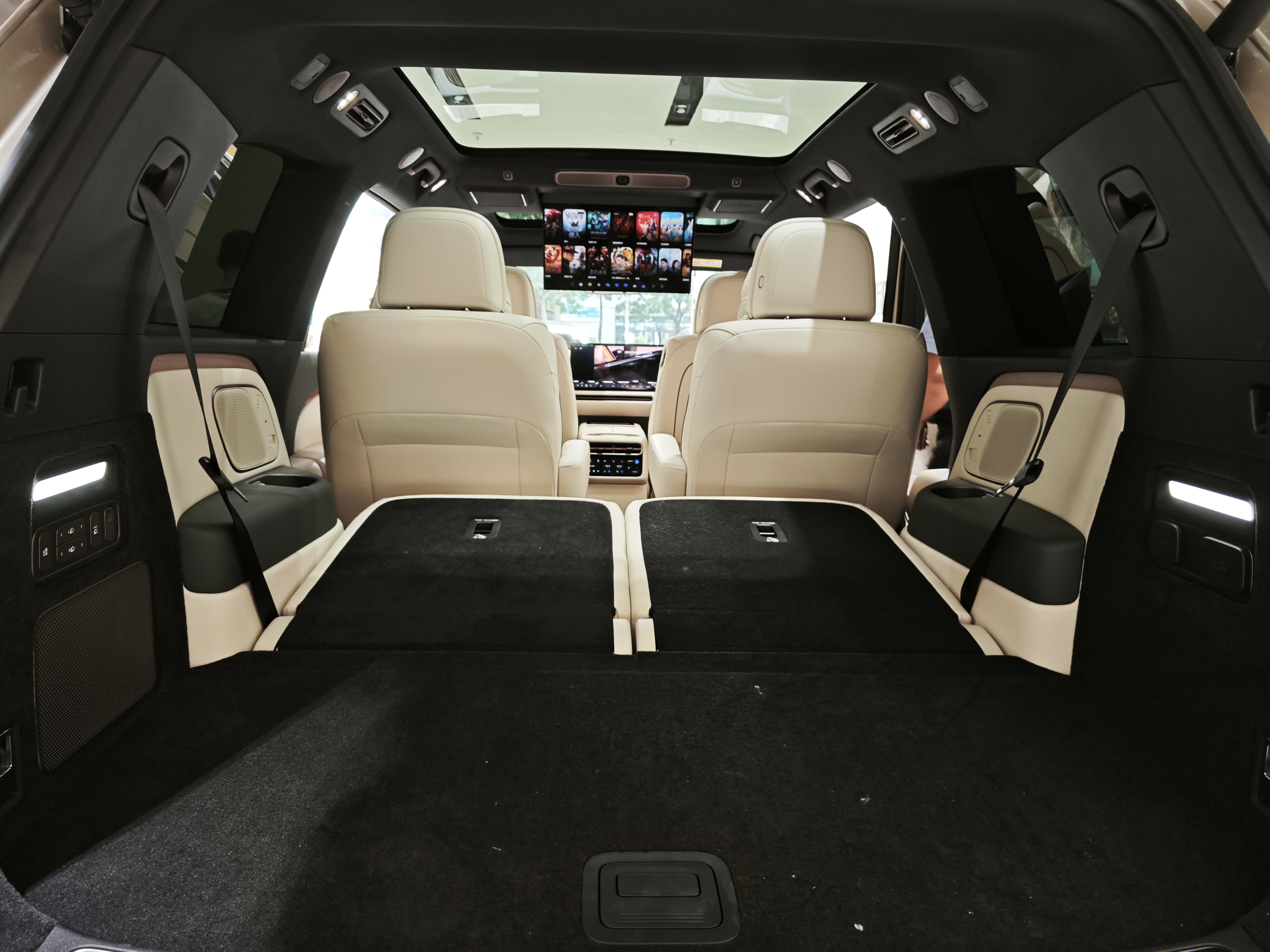
Image source: Dianche Tong
Dealership staff noted that customer inquiries and orders have remained steady over recent days. Interestingly, most buyers show little interest in negotiating price—instead prioritizing delivery timelines. Clearly, at the RMB 500,000 price point, consumers remain confident in paying a premium—if the product delivers.
Final Thoughts
Honestly, after visiting the dealership and evaluating the product’s upgrade scope, real-world consumer feedback, and the current competitive landscape in the premium new-energy SUV segment, the market outlook for the all-new Ideal L9 Livis appears highly promising.
The product itself leaves little room for criticism: Chassis and ADAS upgrades directly address the very issues most frequently raised by existing owners—proving Ideal truly listened. Many new features and refinements were explicitly designed around family-use scenarios.
From a competitive standpoint, while the RMB 500,000 premium NEV SUV segment hosts numerous contenders, most exhibit notable weaknesses: Some prioritize business utility over family practicality; others deliver strong ADAS but compromise on ride comfort; still others hail from newer brands lacking sufficient consumer trust. The L9 Livis stands out as a well-rounded contender—designed primarily for family mobility, yet equally capable of impressing business clients without sacrificing prestige.
By eliminating its historical weaknesses, the Ideal L9 Livis not only retains loyal existing owners but also stands poised to lure customers away from traditional luxury ICE flagships like the Mercedes-Benz GLS and BMW X7.
Therefore, Dianche Tong (ID: dianchetong233) concludes that—as long as delivery execution remains consistent and no major quality-control issues emerge—this vehicle faces no shortage of demand. Within the RMB 500,000 large-family-SUV segment, it’s likely to become an indispensable benchmark choice.
(Cover image source: Dianche Tong)

