
 雷科技
雷科技





To summarize the 2026 Chinese SUV market with a single keyword, “Large Six-Seat” is undoubtedly the answer. From the second half of 2025 through May 2026, both domestic “established players” and “new entrants” have intensified their efforts in the RMB 200,000–300,000 large six-seat SUV segment. The recent surge in popularity of China’s “Series-9” SUVs serves as compelling evidence.
However, the issue is this: not all flagship SUV buyers actually need to transport six passengers simultaneously. From the consumer perspective, equating flagship SUVs exclusively with large six-seat configurations clearly diverges from real-world usage scenarios.
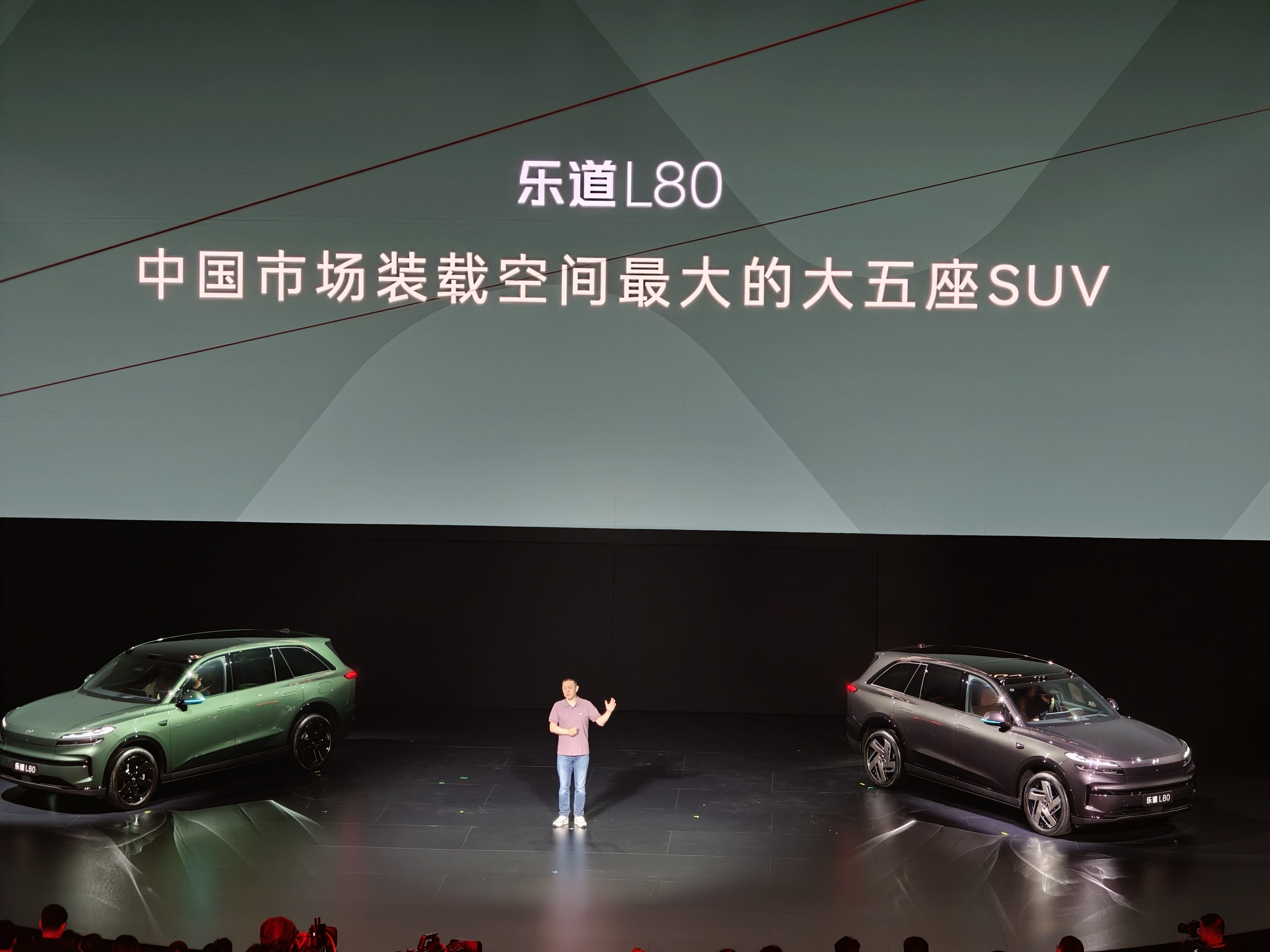
Image Source: Dianche Tong
In response to strong consumer demand for “Large Five-Seat” flagship SUVs, On May 15, Nio’s sub-brand LeDao hosted the “LeDao Family Fun Week & L80 Launch Event” in Hefei. LeiTech/Dianche Tong was invited to attend the event on-site.
One Platform, Two Solutions
As sibling models built on the same platform, the LeDao L80 and L90 share nearly identical dimensions—including overall length, width, height, and wheelbase—apart from their fundamental distinction between “large five-seat” and “large six-seat” configurations. Both measure 5,145 mm in length and feature a 3,110 mm wheelbase; even the D-pillar styling is carried over consistently.
In terms of powertrain, the LeDao L80 offers rear-wheel drive (RWD) and all-wheel drive (AWD) variants. The RWD version is equipped with a high-performance permanent-magnet synchronous motor delivering 340 kW (~456 hp), achieving 0–100 km/h acceleration in just 5.7 seconds. Its energy consumption stands at only 14.3 kWh per 100 km—the lowest in its class. With an 85 kWh battery pack, the vehicle achieves a CLTC-rated range of 615 km. For daily commutes of 20 km one-way plus weekend short trips, a single charge easily lasts an entire week.
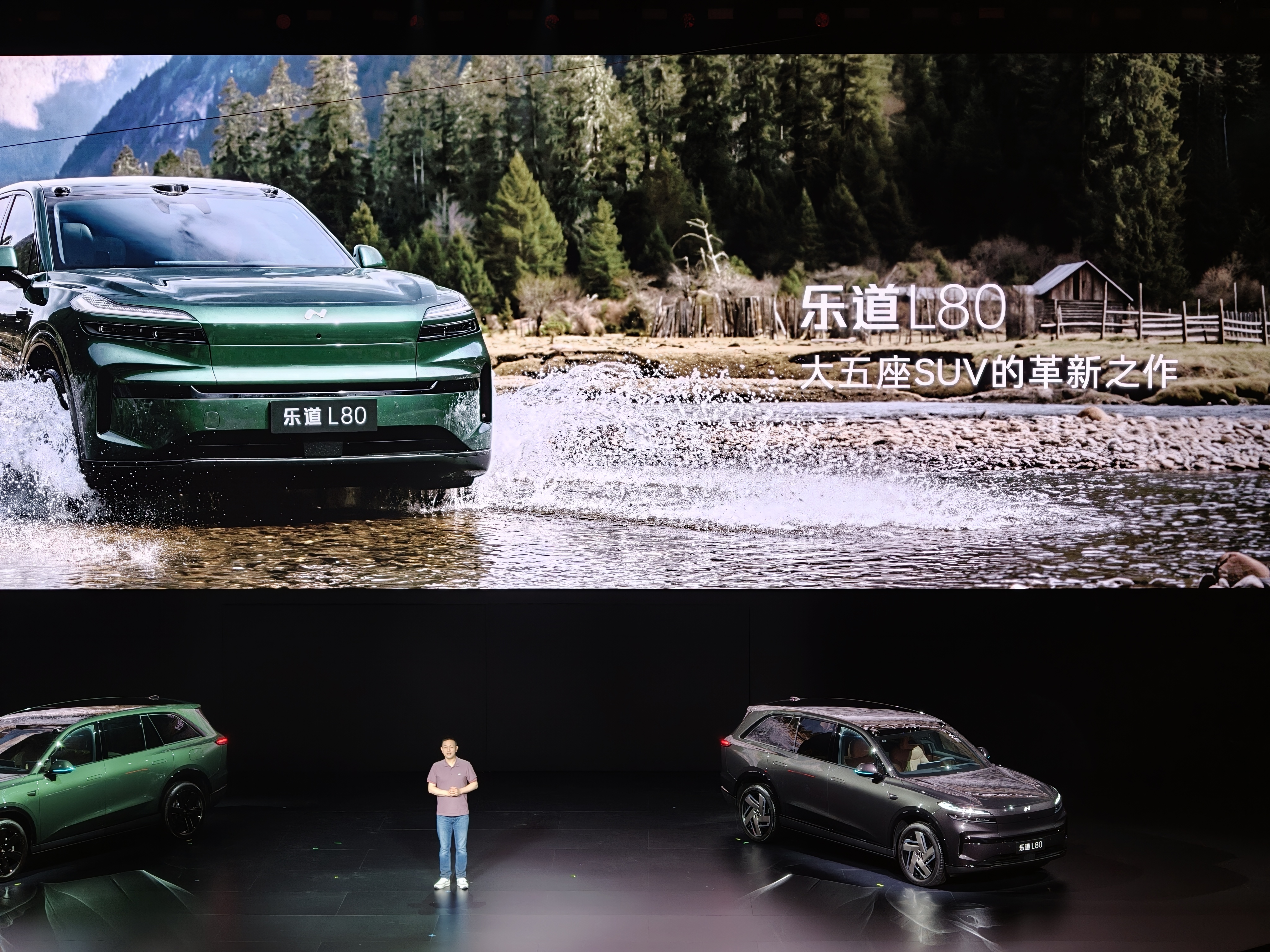
Image Source: Dianche Tong
If 340 kW doesn’t meet your performance expectations, the L80 AWD variant adds a 100 kW front axle motor, boosting the combined system output to 440 kW and slashing the 0–100 km/h sprint time down to 4.5 seconds. True to LeDao’s tradition of “reverse overstatement,” the L80 AWD’s acceleration capability even surpasses many entry-level gasoline-powered performance cars.
Some may argue that such high-performance specifications are unnecessary for a family-oriented model like the LeDao L80—but that’s not accurate. Drivers with experience in long-distance road trips know well how common it is to follow large trucks on two-lane highways. Typically, overtaking opportunities are extremely narrow, and prolonged trailing behind heavy vehicles itself constitutes a safety risk.
Given that the LeDao L80 targets younger users and diverse driving scenarios, this level of powertrain specification is, in fact, highly rational.
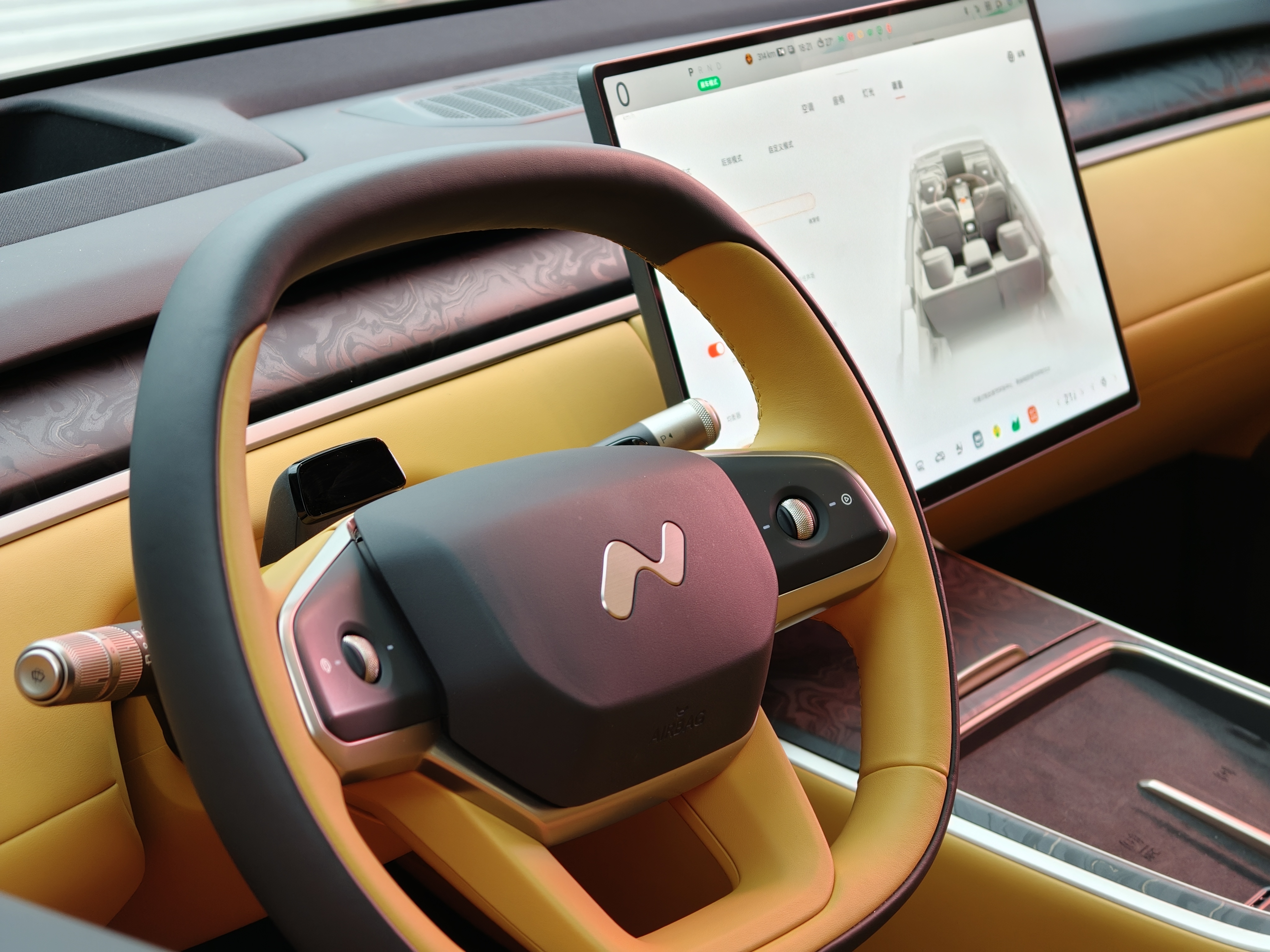
Image Source: Dianche Tong
For handling, the LeDao L80 features NIO’s pioneering 4D Full-Range Comfort Navigation system, which fuses real-time road surface perception data to proactively adjust the air suspension and dampers—delivering superior ride comfort over uneven terrain. Leveraging both the 4D Comfort Map layer and LiDAR-based predictive sensing, the system continuously monitors upcoming obstacles, speed bumps, and rough road sections, enabling faster and more precise suspension responses.
The True “Space Magician”
Yet, during its late-April technology launch event, LeDao did not emphasize the L80’s powertrain or intelligent capabilities. Instead, it spotlighted the L80’s “spatial performance.”
At the event, LeDao positioned the L80 as the “world’s first dual-cabin super five-seat SUV.” The term “dual-cabin” here does not refer to simple fore-and-aft physical compartments, but rather function- and use-case-defined “Storage Cabin” and “Living Cabin.”
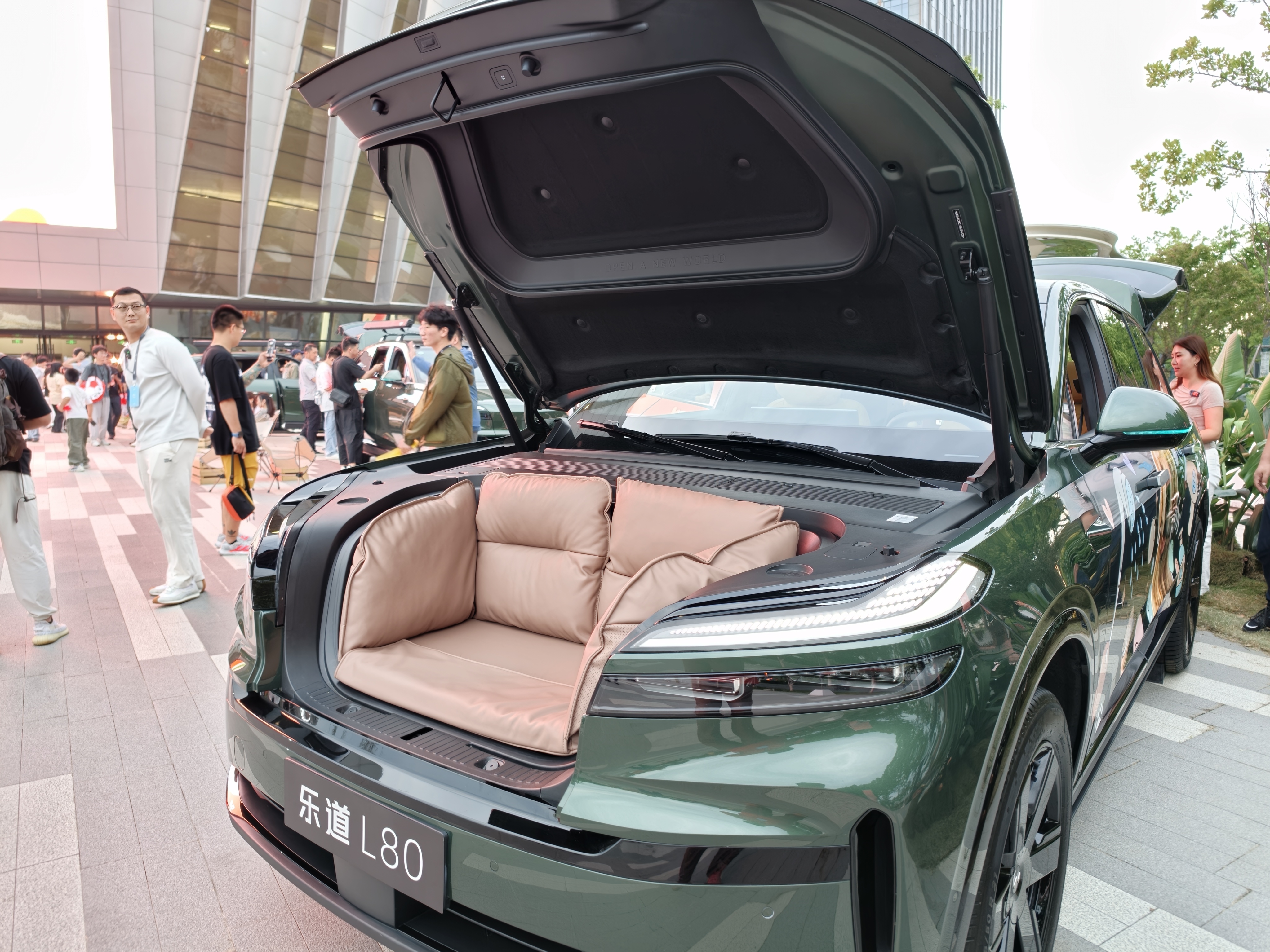
Image Source: Dianche Tong
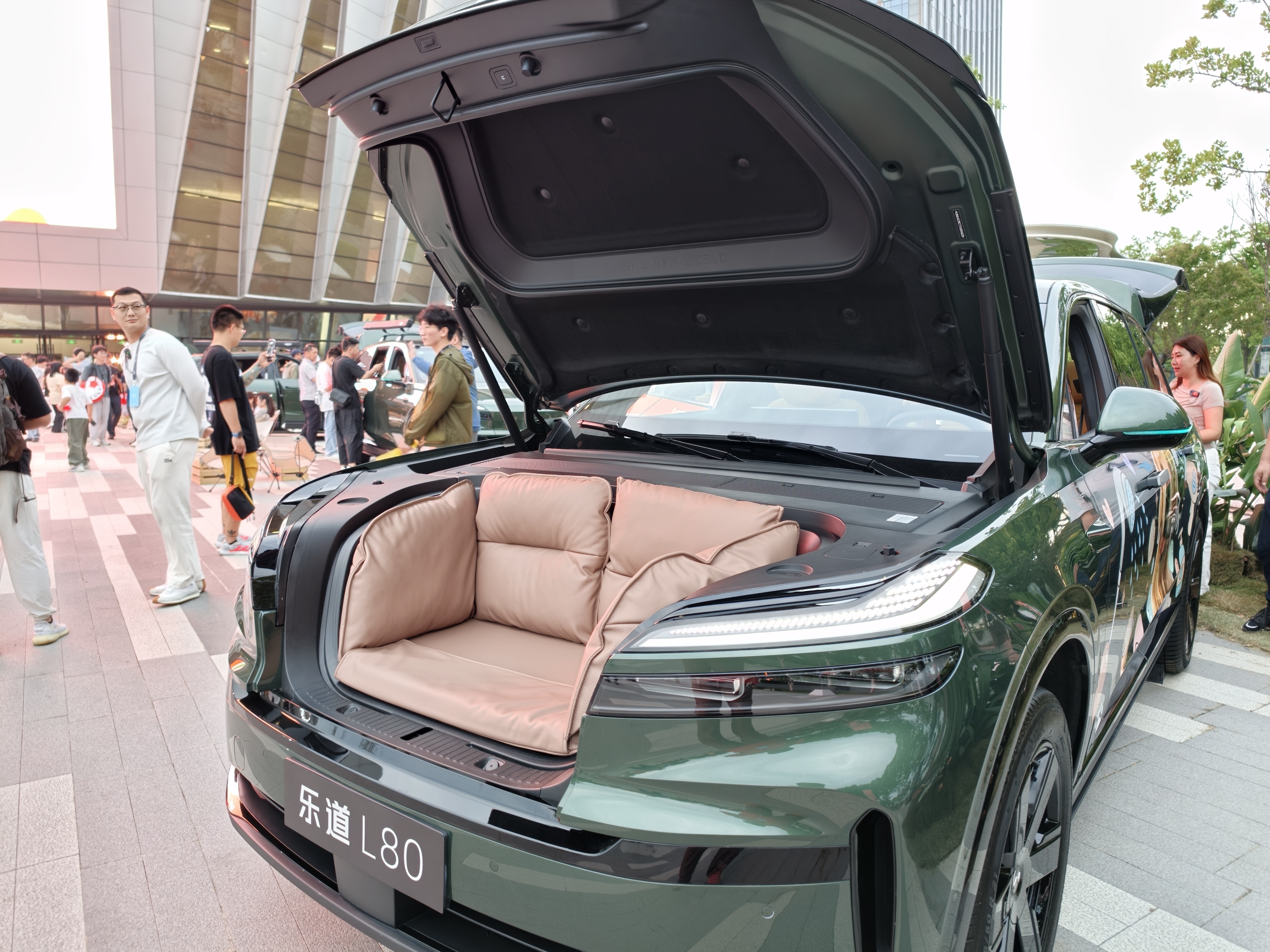
The “Storage Cabin” refers, naturally, to the L80’s massive 240-liter front trunk. Some readers may struggle to visualize the scale of a 240-liter front trunk.
To put it simply: you can fit two 20-inch carry-on suitcases into the L80’s front trunk—and still have room left for a child’s suitcase and a backpack. For a large five-seat SUV targeting families, this means you can pack all luggage required for a family trip without needing to use the rear trunk at all.
Notably, the L80’s uniquely low-opening front trunk design eliminates the need to lift luggage excessively high when loading, making it significantly more ergonomic. Beyond ease of access, the front-opening layout also allows the front trunk to double as a camping lounge seat.
This naturally raises the question: Why store travel gear in the front trunk instead of the rear trunk? That brings us directly to the L80’s second cabin—the “Living Cabin.”
For the LeDao L80, the “Living Cabin” encompasses not only the conventional rear trunk—with 1,200 liters of cargo volume (expandable to 2,600 liters with the second-row seats folded)—but also the passenger compartment (first and second rows).
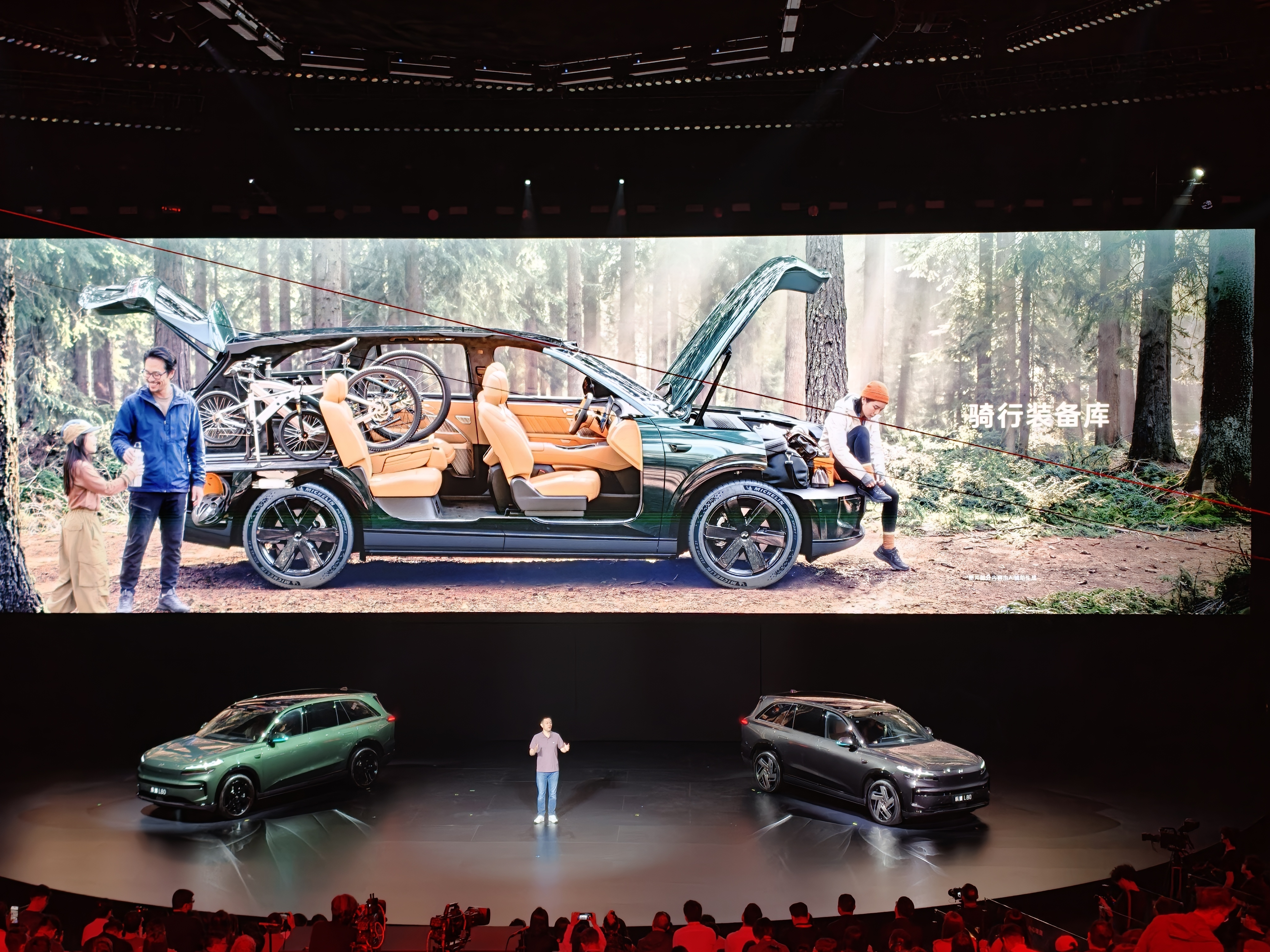
Image Source: Dianche Tong
To address user camping needs, LeDao has developed a custom “three-segment adaptive-fit sleeping platform” that requires no storage or setup—it’s ready to use instantly. The L80 also features a class-exclusive, bespoke 30-liter refrigerator, integrated with a three-piece dining and kitchen kit—offering end-to-end solutions for food, shelter, and mobility.
During the launch event, LeDao demonstrated multiple real-world “Living Cabin” use cases, redefining how large five-seat SUVs can be utilized through authentic user scenarios.
In Dianche Tong’s view (ID: diancheertong233), the LeDao L80 also answers, from another angle, the question: “Why must new-energy SUVs have a front trunk?” Perhaps, in their infancy, front trunks were merely a zero-cost replacement for traditional engine bays.
However, new-energy architecture unlocks entirely new vehicle usage scenarios beyond driving—and those new scenarios, in turn, foster novel usage paradigms, ultimately driving convergence between the traditionally separate cargo bay and passenger cabin into a unified “Living Cabin.”
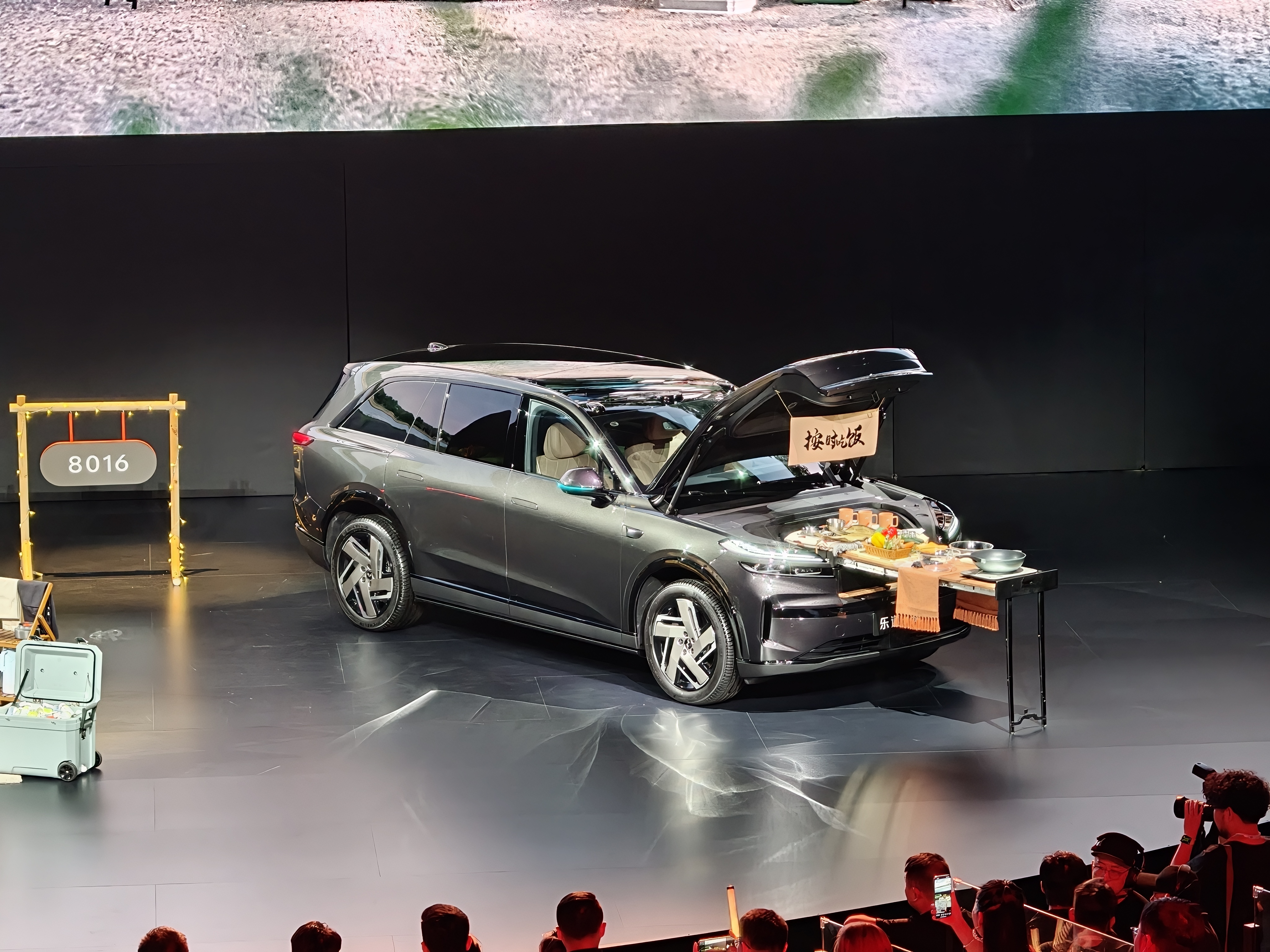
Image Source: Dianche Tong
From this perspective, the L80’s 240-liter front trunk offloads cargo-carrying responsibilities from the rear trunk—thus giving rise to the “dual-cabin” concept and enabling its subsequent evolution. This “technology → functionality → user scenario” closed-loop innovation cycle successfully differentiates LeDao within the mid-to-large-size SUV segment.
At the L80 launch event, William Li (NIO CEO) shared an intriguing trend: LeDao owners now use the front trunk more frequently than the rear trunk.
The LeDao L80 offers six exterior color options (Rock Ridge Brown, Dawn Glow Silver, Stratum Peak Green, Serene Summit Black, Snow Peak White, and Nightfall Purple) and four interior color schemes, across three trim levels: Pro, Max+, and Ultra+.
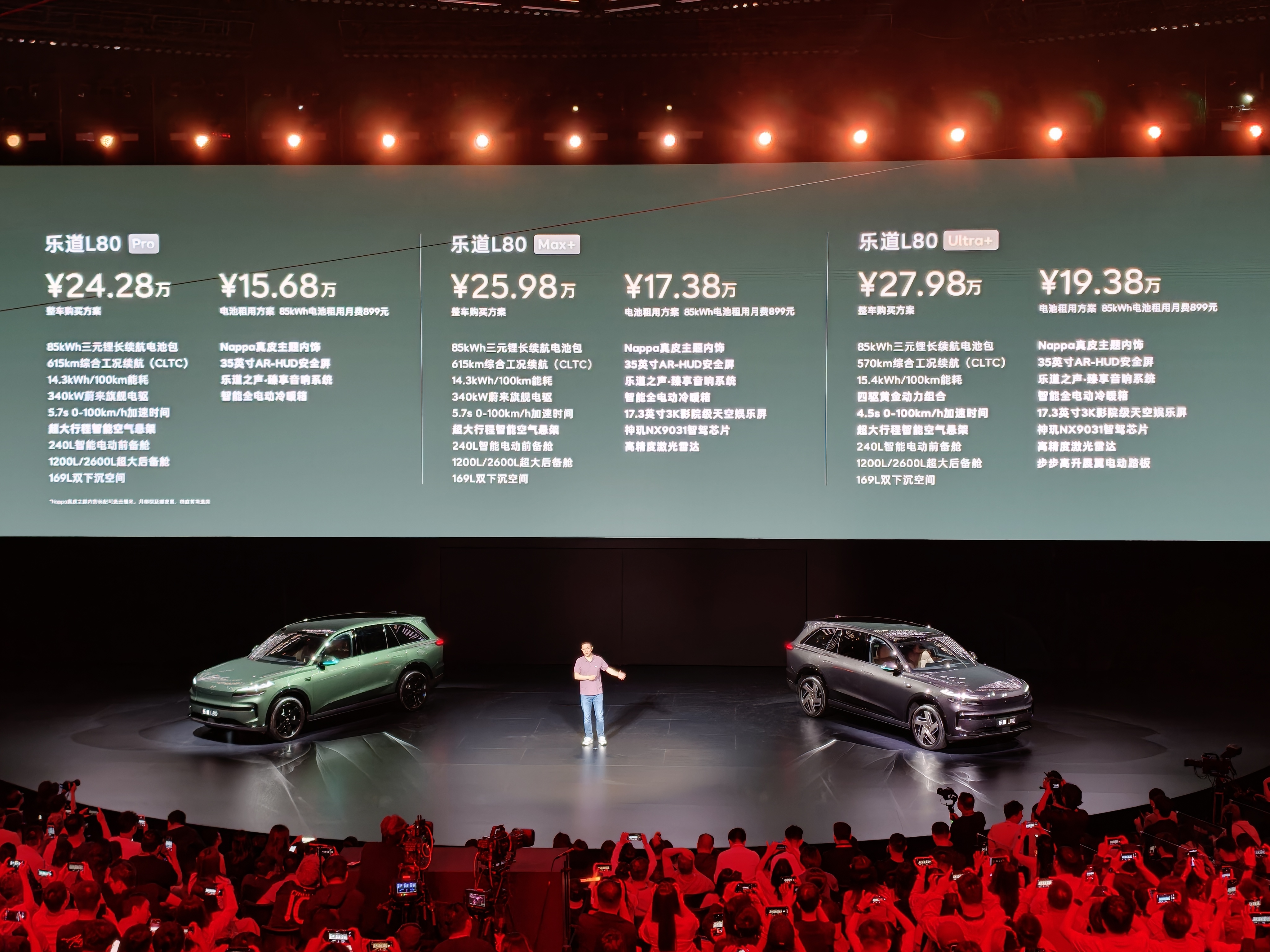
Image Source: Dianche Tong
Pricing starts at RMB 242,800 / RMB 156,800 (Pro, vehicle-only / BaaS), RMB 259,800 / RMB 173,800 (Max+), and RMB 279,800 / RMB 193,800 (Ultra+). Deliveries begin tomorrow.
Large Six-Seat and Large Five-Seat Are Not Mutually Exclusive
From LeDao’s market strategy standpoint, the L80’s launch signifies the completion of LeDao’s “dual-flagship” positioning in the RMB 200,000–300,000 mid-to-large-size SUV segment:
The L90’s large six-seat configuration addresses the essential mobility needs of three-generation families, while the L80 liberates itself from the spatial compromises imposed by third-row seating—freeing up second-row legroom and rear cargo space—and transforms the vehicle from a mere transportation tool into an extension of living space and lifestyle.
Moreover, the shared platform between the L80 and L90 lowers the engineering and manufacturing barriers to producing high-quality bodies—reflected directly in the competitive pricing starting at RMB 159,800 (BaaS), made possible precisely by LeDao’s dual-platform, dual-strategy, multi-scenario approach.
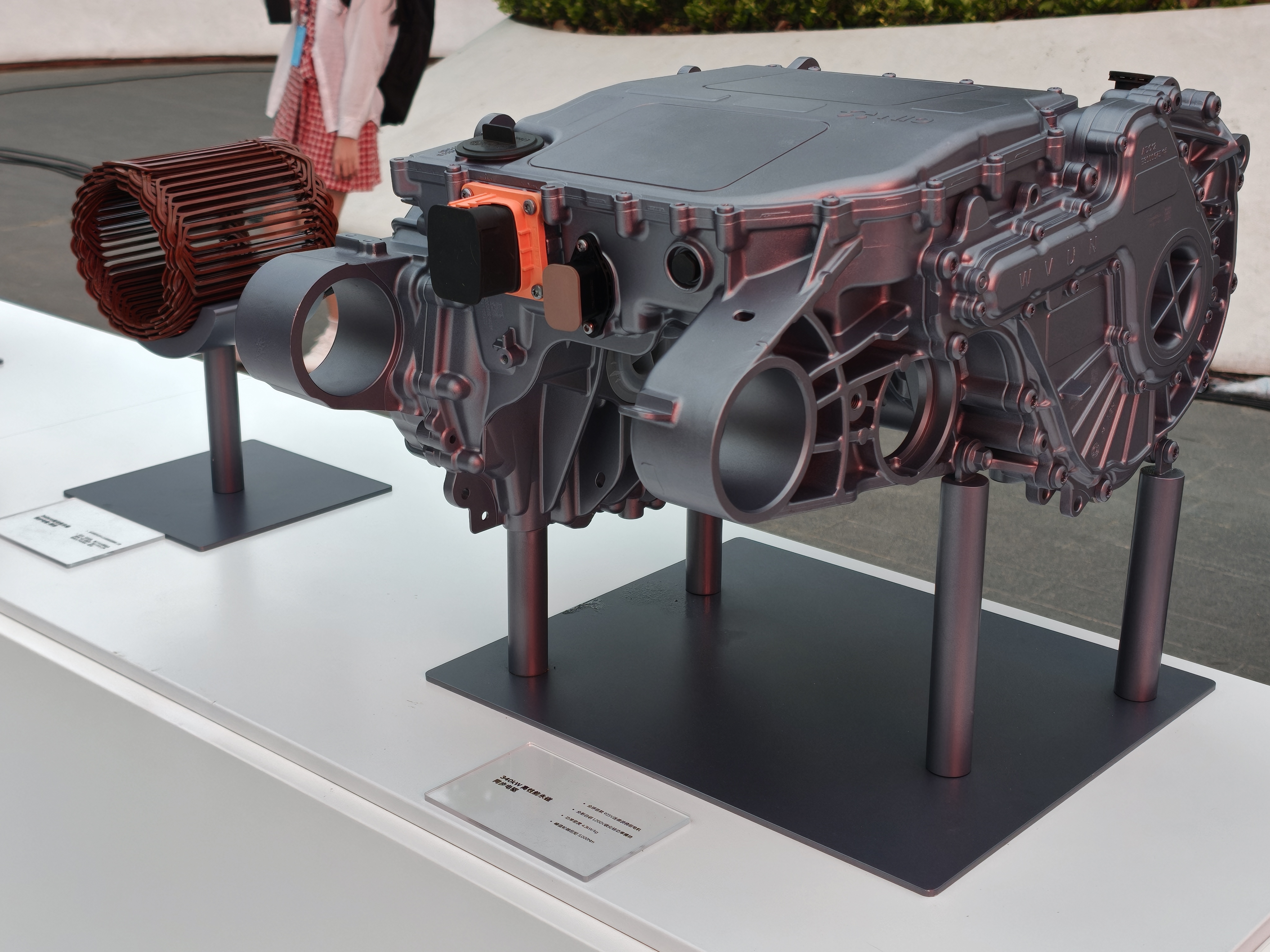
Image Source: Dianche Tong
Within the RMB 200,000–300,000 mid-to-large-size SUV segment, the LeDao L80 truly delivers “same-spec, better execution” differentiation:
Competitors’ intelligent driving systems and powertrains? The L80 matches or exceeds them—while its battery-swap architecture delivers refueling efficiency on par with gasoline vehicles. Competitors’ spacious interiors and ride comfort? The L80 delivers those too—and does so with far greater spatial flexibility.
This “same-spec, better execution” product capability, coupled with the groundbreaking “dual-cabin” concept, forms the foundation of LeDao’s claim that the L80 is a “groundbreaking reinvention of the large five-seat SUV.”
This Is the New-Energy Era We’ve Been Waiting For
In 2023, Li Auto launched its first five-seat model, proving—with concrete sales figures—that demand for large five-seat SUVs remains robust, even amid the explosive growth of new-energy large SUVs.
Yet, in Dianche Tong’s (ID: dianchetong233) view, there exists an inherent contradiction between large-space-focused five-seat SUVs and the structurally complex extended-range powertrain layout—particularly regarding spatial efficiency.
Compared to large six-seat SUVs, the goal of large five-seat SUVs is refreshingly straightforward: maximize usable interior space for occupants. Yet the extended-range architecture inherently consumes more packaging space due to its additional components. In contrast, the L80’s compact-motor design better fulfills users’ expectations for optimal space utilization in a large five-seat SUV.
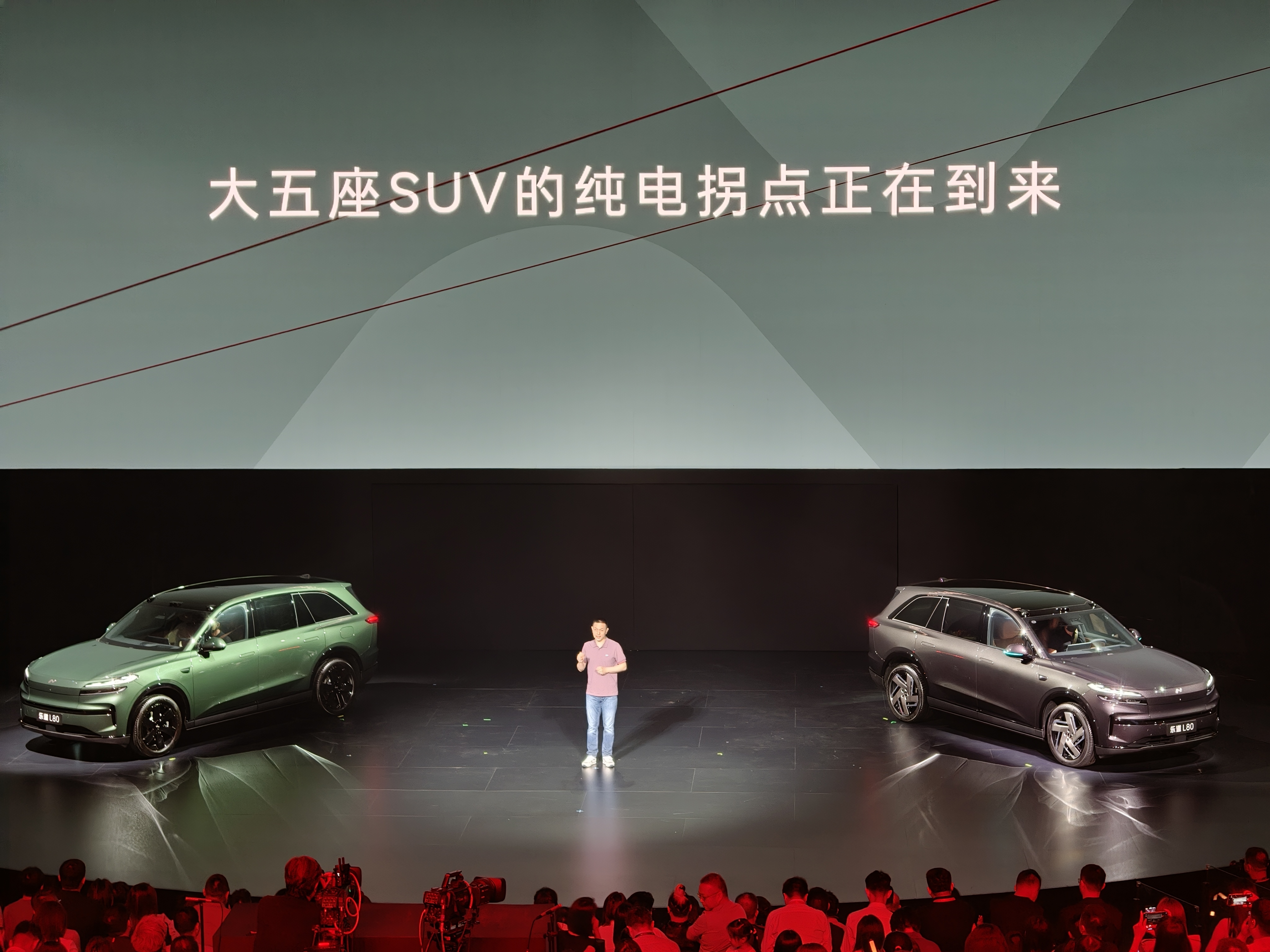
Image Source: Dianche Tong
More broadly, the L80’s “dual-cabin” design signals an evolutionary leap in new-energy vehicle design philosophy.
Transitioning from internal combustion engines to pure electric powertrains should inherently enable more flexible vehicle architectures. Yet, for an extended period, new-energy vehicles largely retained legacy ICE-era body structures. The L80’s “dual-cabin” approach marks the first time new-energy vehicles have moved beyond the traditional tripartite division of “engine bay,” “passenger cabin,” and “cargo bay”—and forged an entirely new architectural paradigm.
The inflection point in the history of large five-seat pure-electric SUVs has arrived. As for how the industry will move forward from here, LeDao appears fully prepared.
(Cover image source: Dianche Tong)

