
 雷科技
雷科技




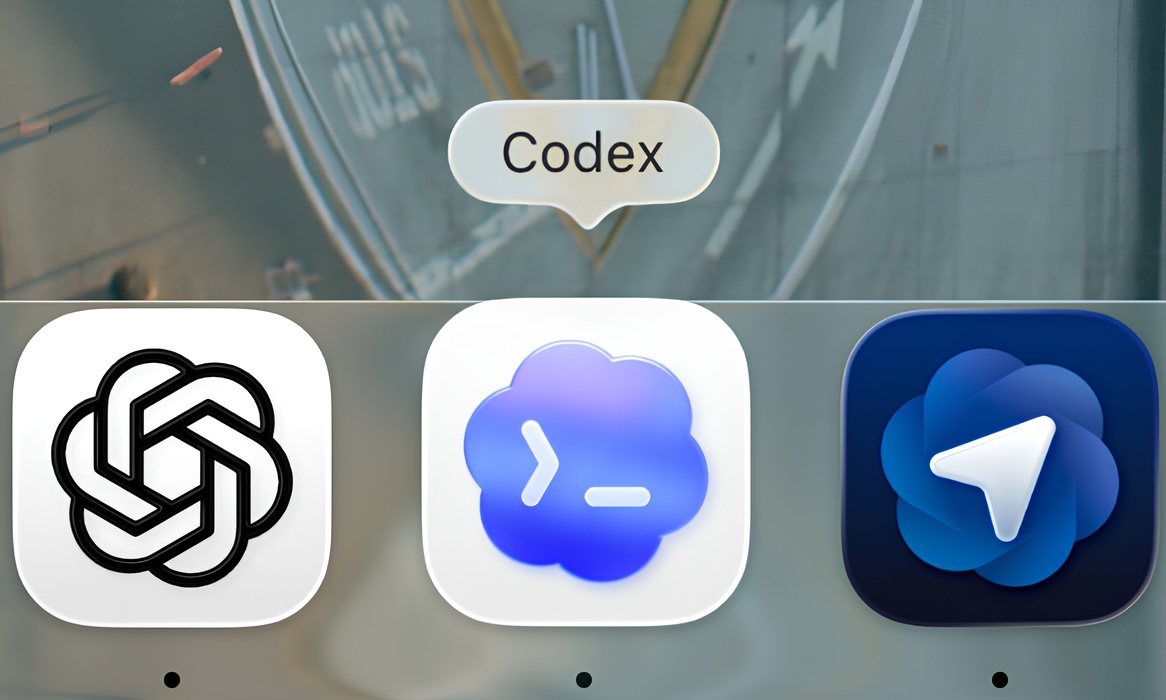

According to a May 15 exclusive report by Wired, in its latest organizational restructuring, OpenAI President Greg Brockman has officially assumed leadership of the company’s product strategy—replacing Fidji Simo, who remains on medical leave. Meanwhile, Thibault Sottiaux, formerly head of Codex, has been promoted to lead the Core Products and Platforms team, unifying oversight of ChatGPT, Codex, and the developer-facing API.
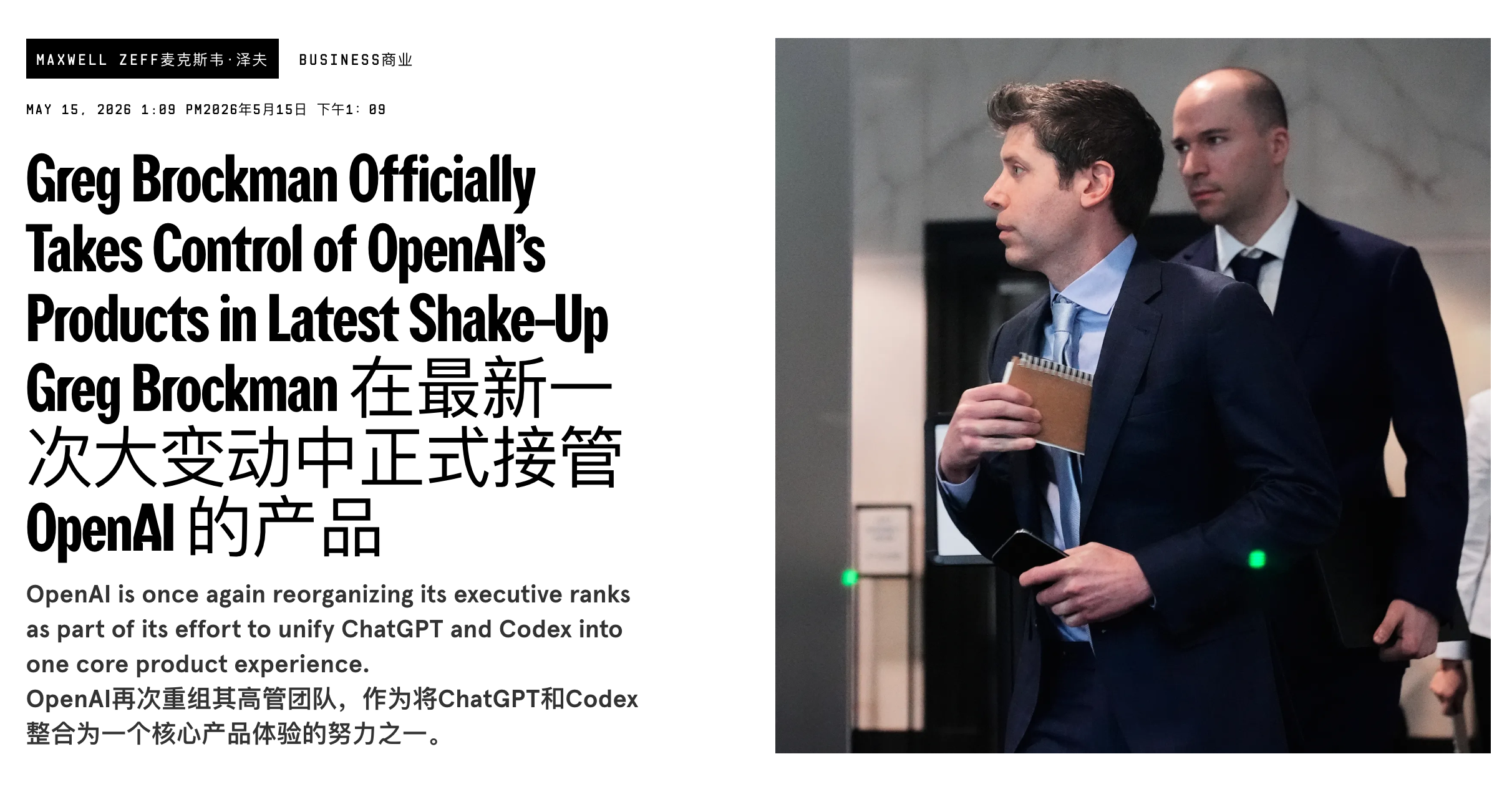
Greg Brockman—the man behind Sam Altman. Image source: Wired
More importantly, Sottiaux is also one of the leads developing OpenAI’s “super app.” In an internal memo, Brockman explicitly stated:
OpenAI has decided to merge ChatGPT and Codex into a unified experience, with sharper focus on the future of AI Agents.
If ChatGPT solves the “ask AI” problem, Codex tackles the “get AI to do things” problem—where the former primarily serves general users, while the latter targets developers and other professional users.
Merging the two isn’t just about consolidating three product teams to concentrate resources; it’s also highly likely intended to guide ChatGPT’s over-900-million weekly active users—from merely “asking AI questions” toward “getting AI to perform real-world tasks,” thereby delegating more tangible work to AI.
After all, this generation of AI competition is no longer solely about model capability. The winner will be whoever becomes users’ daily gateway for task execution—and thus emerges as the super app of the AI era.
In practice, Codex already possesses this capability. Moreover, this integration signals that the unified desktop super app—integrating Codex, ChatGPT, and the Atlas browser—is likely not far off.
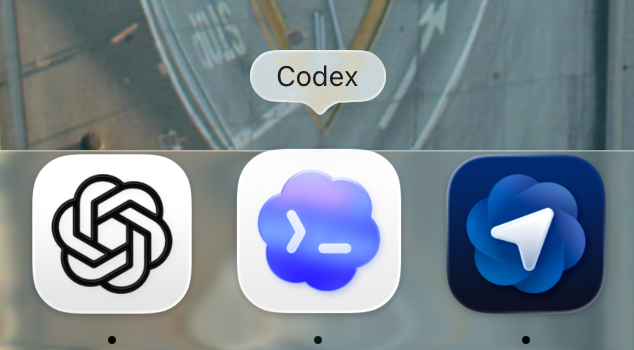
Image source: LeiTech
Merging ChatGPT and Codex: The First Blueprint of a Super App
Merging ChatGPT and Codex isn’t unexpected.
Sottiaux previously confirmed the existence of OpenAI’s super app. Just days ago, the mobile version of Codex launched directly within the ChatGPT mobile app. Specifically, users can now access Codex directly from their phone-based ChatGPT app, connect to an actively running desktop Codex environment, monitor task progress remotely, advance long-running tasks, or initiate new requests—all executed by the desktop Codex instance.
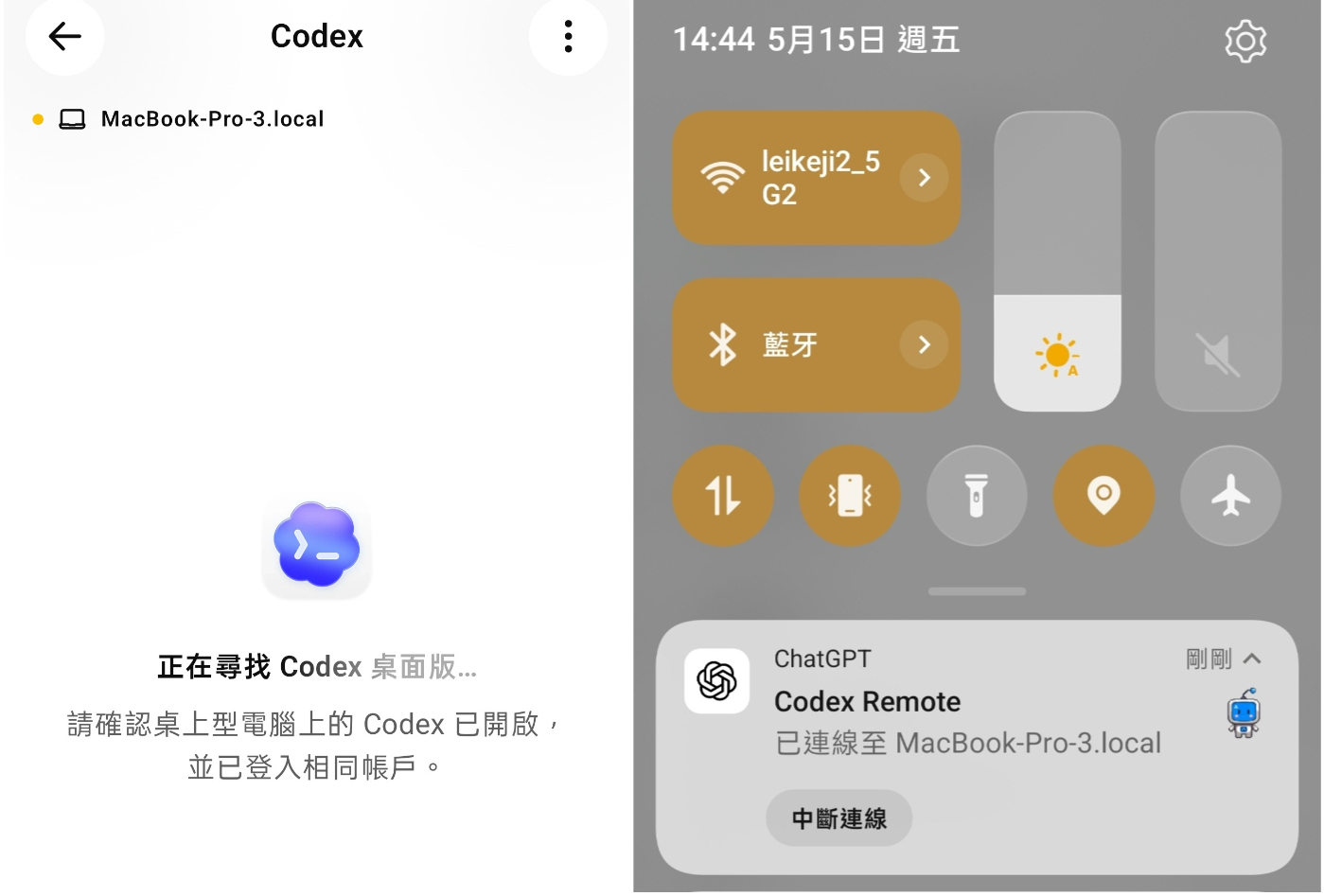
Connecting Android Codex to macOS Codex. Image source: LeiTech
The decision not to launch a standalone Codex app stems from two key considerations: first, ChatGPT already enjoys massive user scale; second, the mobile Codex is intentionally lightweight—not a full-fledged port or replication of the desktop version, but rather an extension of it onto mobile devices.
The same logic applies on desktop: although Codex has been highly successful, its user base and reach remain largely confined to developers, enthusiasts, and other professional users. Yet, having firmly committed to the AI Agent future, OpenAI recognizes that simplifying the user experience—and lowering the barrier and cost for broader adoption of Codex’s capabilities—is critical to capturing users’ mental real estate early.
This represents the first blueprint of OpenAI’s super app: end users may see only a single ChatGPT entry point, yet behind it lies a cross-device, cross-task, and cross-tool execution system.
However, integrating ChatGPT and Codex alone doesn’t complete OpenAI’s super app vision—they also plan deeper integration of the Atlas browser:
– ChatGPT provides the most natural interface between humans and AI; users are already accustomed to entrusting questions, ideas, and tasks to it;
– Codex delivers the framework for executing long-running tasks—especially planning, decomposition, file editing, and command execution;
– The Atlas browser bridges AI to the web—still one of the most critical interfaces for modern work. Web-based tasks—including information retrieval, SaaS admin panels, office systems, e-commerce sites, and enterprise management platforms—occur predominantly in browsers.
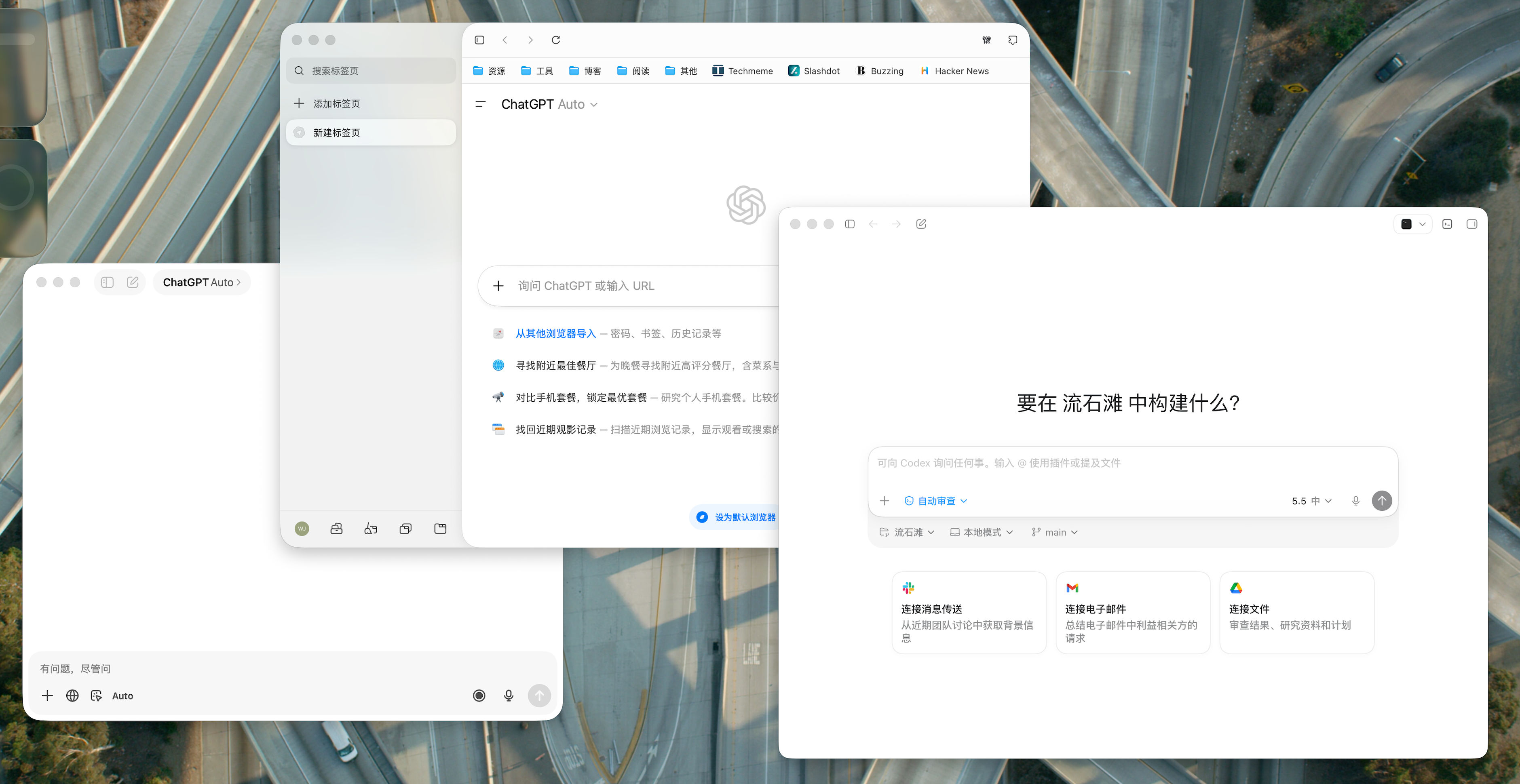
Image source: LeiTech
OpenAI’s super app will almost certainly go beyond simply grouping three icons into one window. A more plausible scenario is transforming ChatGPT into the primary entry point, expanding Codex into a universal execution engine, and positioning Atlas as the bridge between the web and local computing environments.
A user types a single sentence: the system first interprets intent via ChatGPT, then Codex decomposes it into steps—delegating web-related actions to Atlas, code/data/document handling to local environments or cloud sandboxes, and enterprise-system interactions via APIs and connectors.
This explains why OpenAI is prioritizing Codex enhancement. Though initially conceived as a developer tool, Codex’s true value lies in precisely those capabilities most scarce in the Agent era: long-duration execution, multi-step planning, context retention, permission verification, version rollback, and result validation.
Code generation is just one use case. Data analysis, document organization, report drafting, webpage auditing, content migration, and spreadsheet processing all fundamentally rely on the same autonomous agent capability.
From this perspective, Codex is very likely the core engine powering this super app.
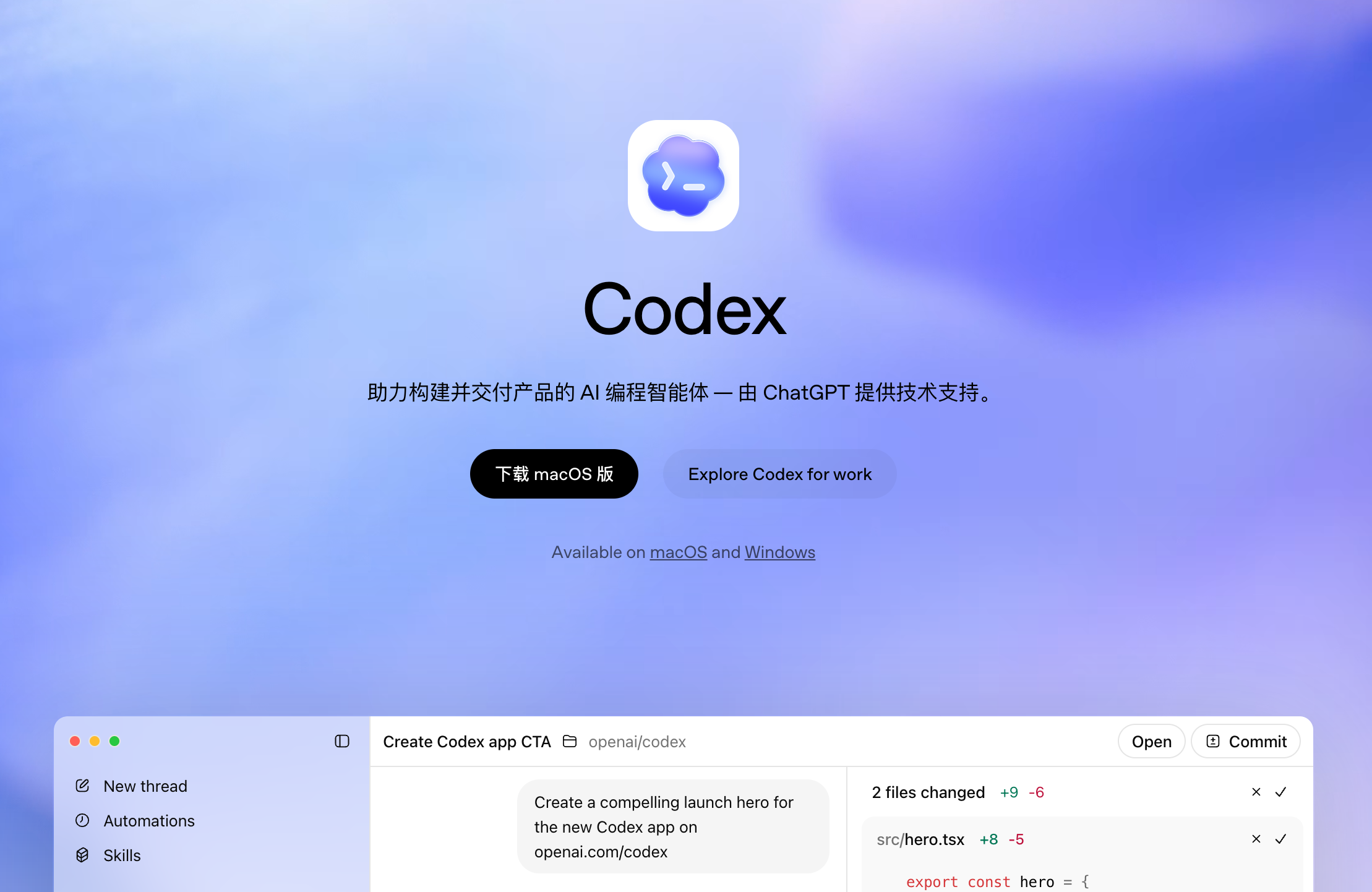
Image source: OpenAI
More importantly, OpenAI’s super app won’t aggregate users through payments, social features, or content—as traditional super apps do—but instead cover the majority of users’ work and knowledge workflows. Each day, users open it to write code, browse the web collaboratively, and complete entire task sequences. The better the actual experience, the less inclined users will be to abandon the system.
Naturally, this path won’t be easy. Building a super app isn’t about cramming features—it’s about refining the experience until users willingly depend on it long-term. That truth remains unchanged in the AI Agent era.
Yet regardless, OpenAI must pursue this direction. Beyond the official rationale of streamlining user experience, intensifying dual-front competition with Anthropic and Google—in both enterprise and consumer markets—also stands as a crucial external driver. Thus, this move is both a proactive strategic consolidation and a competitive necessity.
Super Apps in the AI Era Won’t Be Monolithic
OpenAI is building a super app precisely because it lacks one today. In contrast, domestic tech giants face different challenges: they already own super apps, transaction systems, payment infrastructures, content platforms, workplace collaboration tools, and mobile ecosystems. Their AI product strategies cannot—and will not—simply replicate OpenAI’s approach.
Alibaba offers the clearest example. The Qwen app isn’t merely the C-end interface for Alibaba’s large language model—it embodies Alibaba’s overarching AI super-app strategy. By integrating Taobao, Alipay, AutoNavi, Fliggy, and Taobao Flash Buy into Qwen, Alibaba aims to shift Qwen from “answering questions” to “completing tasks.” Users don’t just ask where to travel, what to buy, or how to get there—they can directly instruct Qwen to plan trips, compare options, place orders, pay, rebook flights, or handle after-sales service.
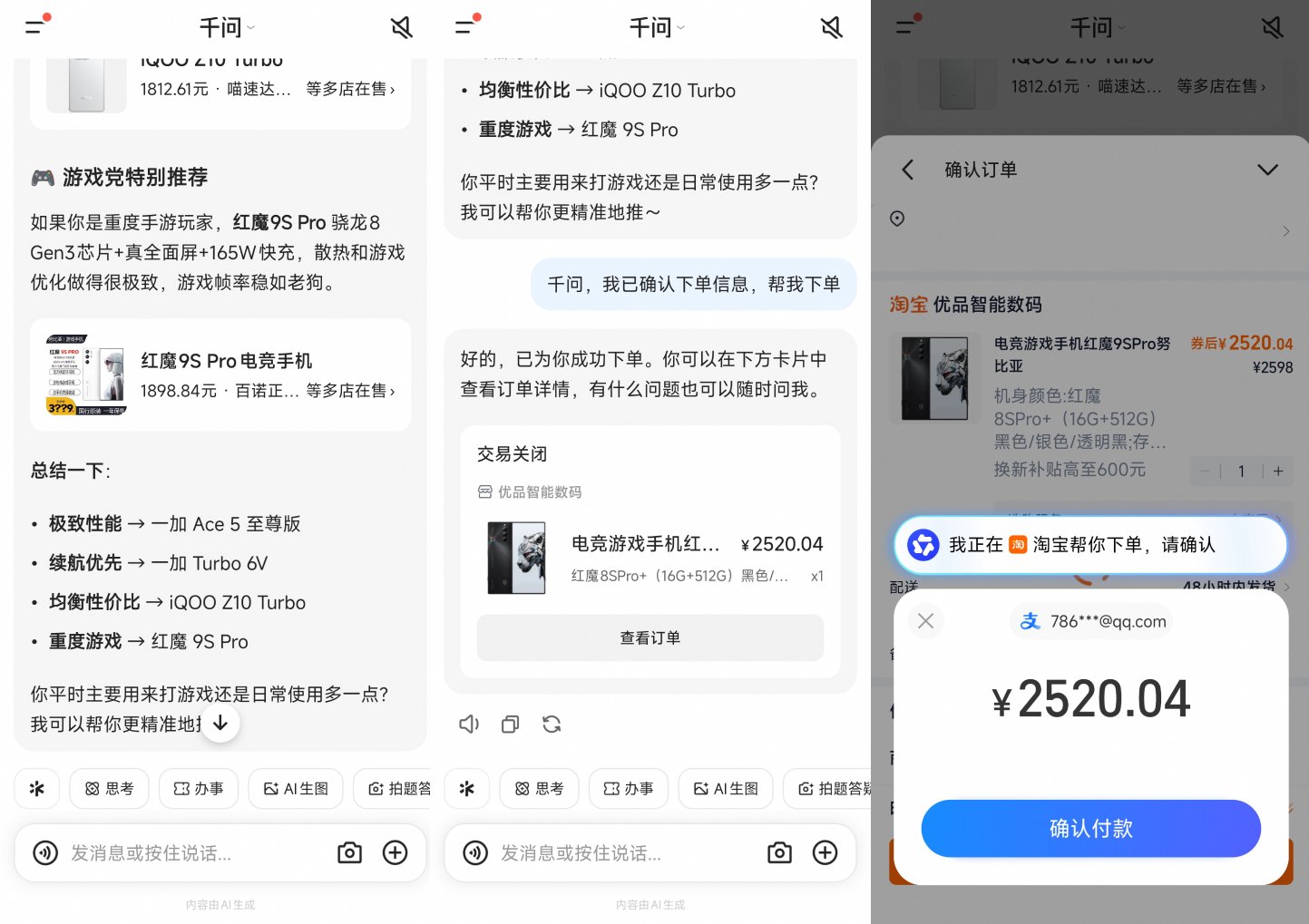
Image source: LeiTech
Starting with airline-integrated services like flight booking, Qwen’s potential extends well beyond Alibaba’s ecosystem. While Alibaba’s ecosystem serves as its strongest backend, Qwen’s ambition is to become the default starting point for users confronting real-world tasks—connecting models, tools, services, products, content, and external operations.
Tencent takes another route. Beyond continuing to promote Yuanbao, Tencent has launched Agent products—including QClaw and WorkBuddy—based on the OpenClaw architecture. These AIs appear as WeChat contacts or plugins, enabling users to issue commands inside WeChat to remotely control computers—performing tasks like file transfers and email sending.
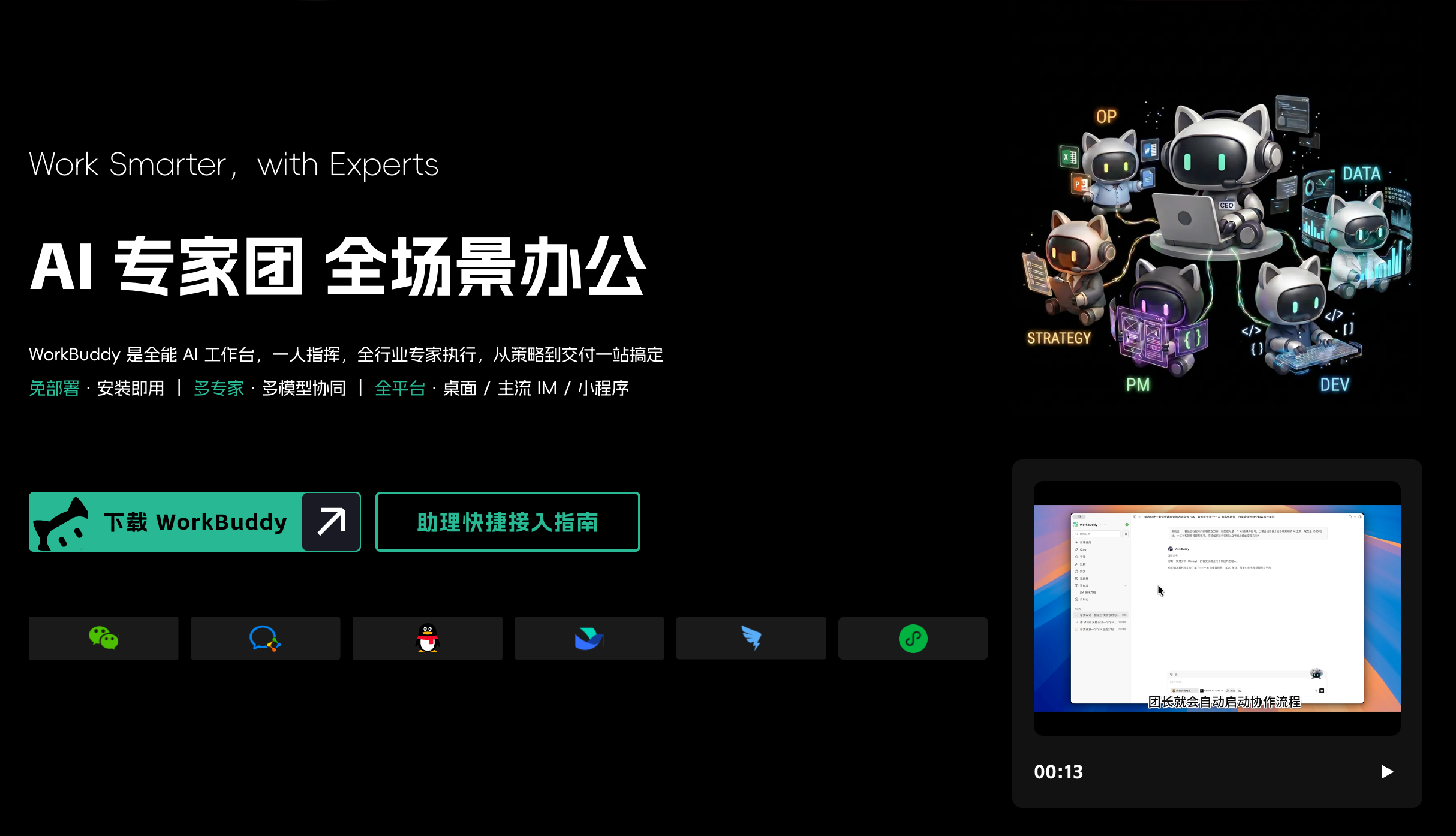
Image source: Tencent
WeChat itself is China’s strongest digital lifestyle gateway—making it unnecessary for Tencent to redirect users to a new AI app. A more pragmatic approach embeds AI Agents directly into users’ existing conversational flows. You can summon an AI just as you’d message a colleague, friend, or file-transfer assistant—and delegate computer-based tasks to it.
Yet WeChat hasn’t officially launched its AI Agent. During its recent earnings call, Tencent essentially confirmed the Agent’s existence—but its public rollout remains unlikely in the near term.
ByteDance follows yet another path.
As China’s largest AI application by user base, Doubao delivers lightweight, high-frequency experiences across dialogue, search, voice, multimodal interaction, and companionship. Many everyday users adopt AI specifically for asking questions, drafting copy, generating images, voice chatting, tutoring children, or summarizing webpages—tasks rooted deeply in daily life. Meanwhile, Doubao continues refining shopping, payment, and related features, clearly converging with Alibaba’s Qwen on its product roadmap.
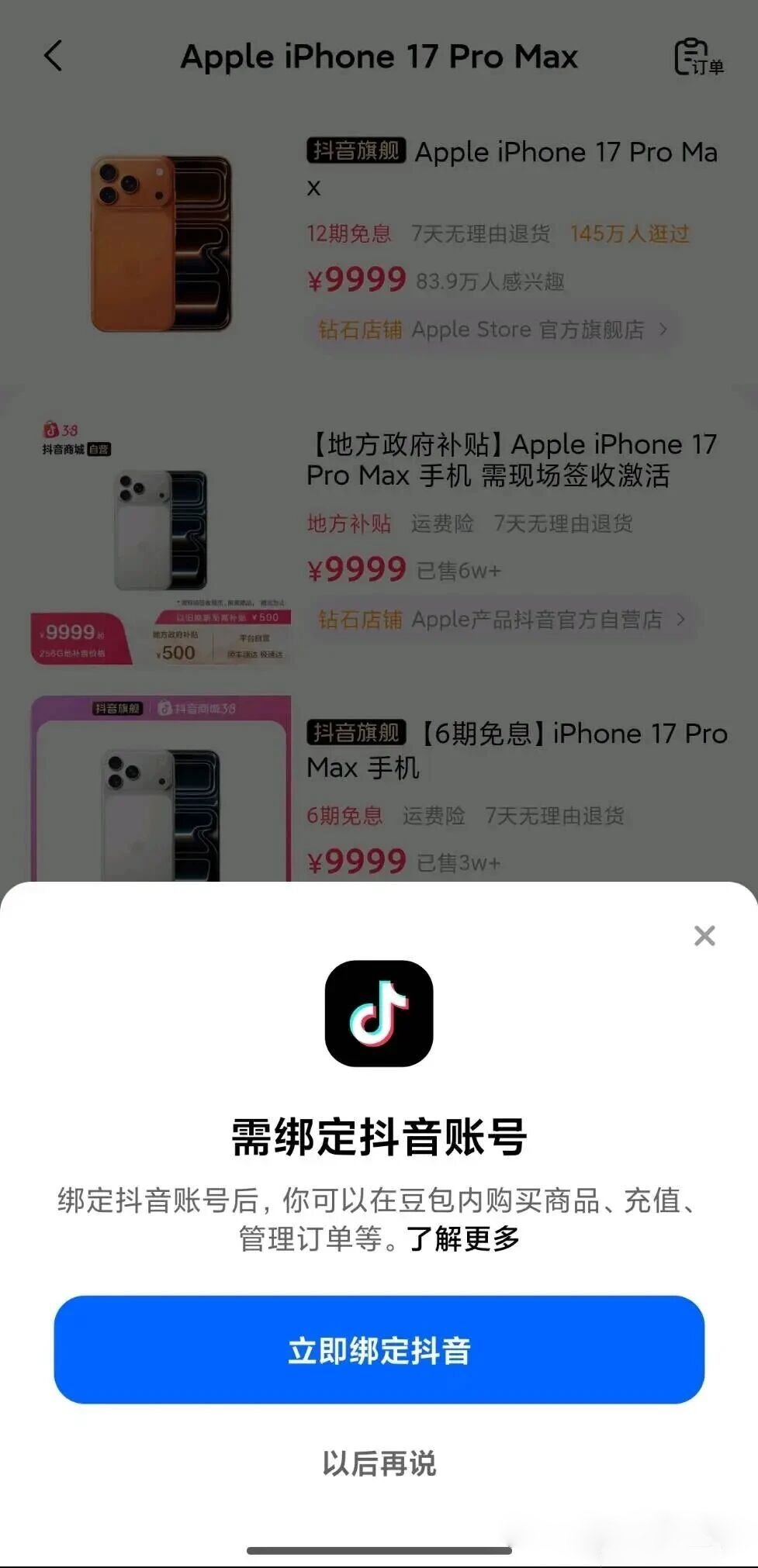
Image source: LeiTech
On the other hand, beyond Doubao’s dominance in mainstream AI awareness, ByteDance arguably maintains the most comprehensive professional AI product suite among Chinese tech giants: “Meng” (Dreamina) and CapCut for AI-powered content creation; Coze for Agent development; Trae for AI-assisted coding; and VolcEngine for enterprise-grade model deployment and Agent commercialization.
Final Thoughts
Three years ago, ChatGPT essentially defined the conceptual blueprint for a super app in the AI era. Yet the past three years—particularly the last year’s advances in Claude Code and OpenClaw—have profoundly reshaped our understanding of AI Agents’ future.
Nonetheless, how future products and human-AI interaction paradigms will evolve remains an open question. Against this backdrop, OpenAI’s answer is consolidating ChatGPT, Codex, and Atlas into a unified super app. Alibaba’s answer is positioning Qwen as the AI gateway linking models, services, and transactions. Tencent’s answer is embedding Agents into super apps like WeChat. ByteDance’s answer is using Doubao to capture mass-market AI awareness—and complementing it with a full-stack AI product matrix covering creative, developer, and enterprise scenarios.
Different paths—but closely aligned destinations.

