
 雷科技
雷科技





On the evening of May 15, 2026, Nio’s sub-brand Lede held the launch event for its new model—the Lede L80—in Hefei, Anhui Province. Beyond the highly anticipated “pricing and specifications” segment, Li Bin joined several Lede L80 users on stage to demonstrate the vehicle’s rich range of use cases as a “dual-cabin SUV.”
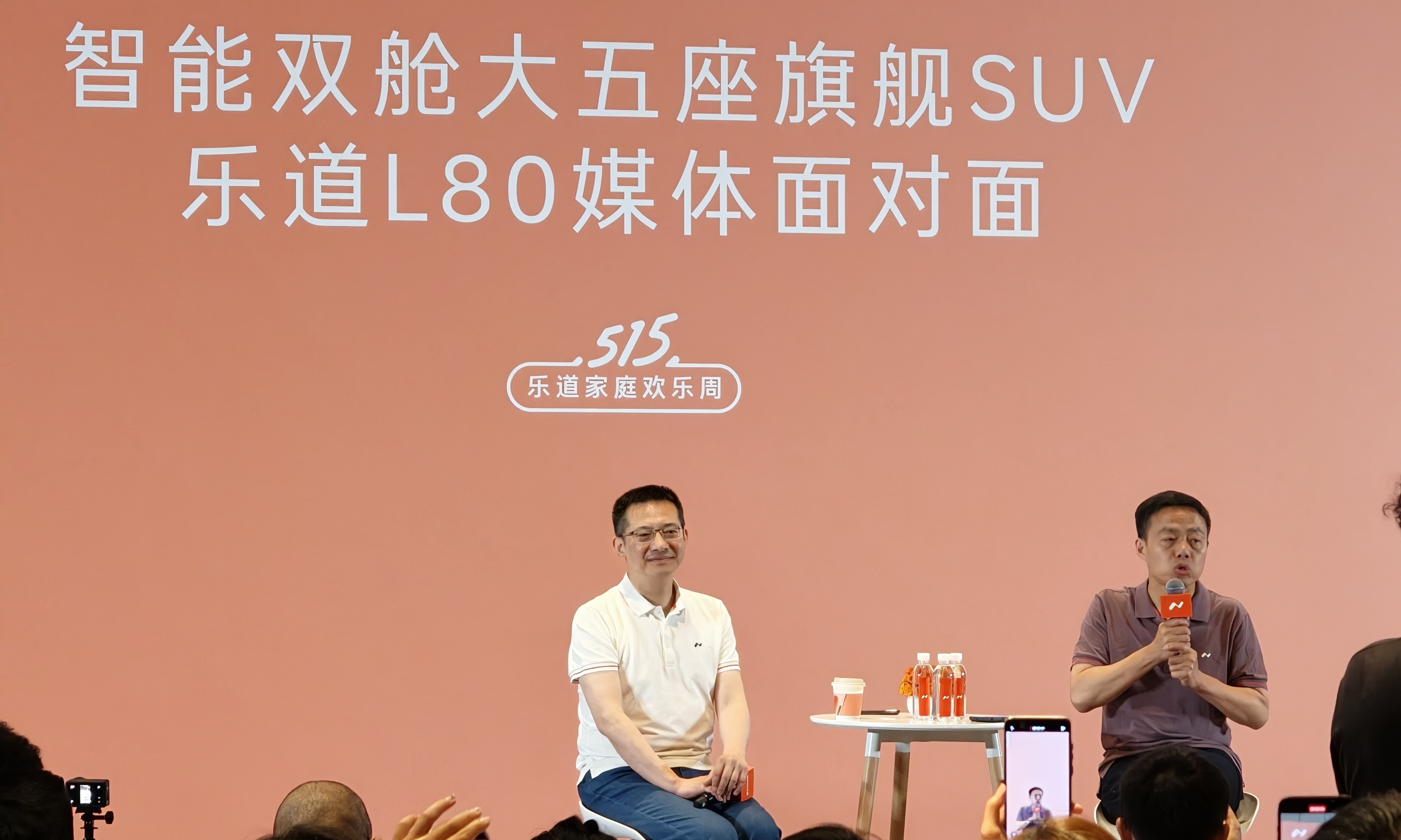
The following morning, Qin Lihong (Nio’s co-founder), Shen Fei (President of Lede Automobile), and Yu Bin (Product Lead) all attended a media briefing, where they shared detailed product insights about the Lede L80 with journalists on-site. Dianche Tong, as an invited media outlet, attended this briefing.
“Greatest Common Divisor” ≠ Mediocrity
In the automotive industry, seemingly ordinary “family vehicles” are often the most challenging category to define. During the traditional ICE era, industry giants like Toyota and Volkswagen leveraged their robust system capabilities to deliver products exhibiting exceptional balance—adopting a “please-everyone” philosophy to create numerous star family-car models.
Yet, viewed from the vantage point of 2026, such “extreme balance” risks plunging automakers into the “balance trap”—a state where the vehicle lacks distinctive character or ends up merely “balancedly unremarkable.” Regarding the delicate interplay between “distinctiveness” and “balance,” Qin Lihong candidly observed that the core pain point in family-oriented consumption lies in achieving consensus among all family members regarding the vehicle:
For families—especially larger ones—the car purchase decision must reflect collective agreement: everyone must genuinely like it. In a typical urban three-generation, five- or six-person household, preferences between grandparents and young children differ far more significantly than those among dozens of same-age colleagues within a single company. If even one person strongly dislikes the vehicle, the purchase simply won’t happen.
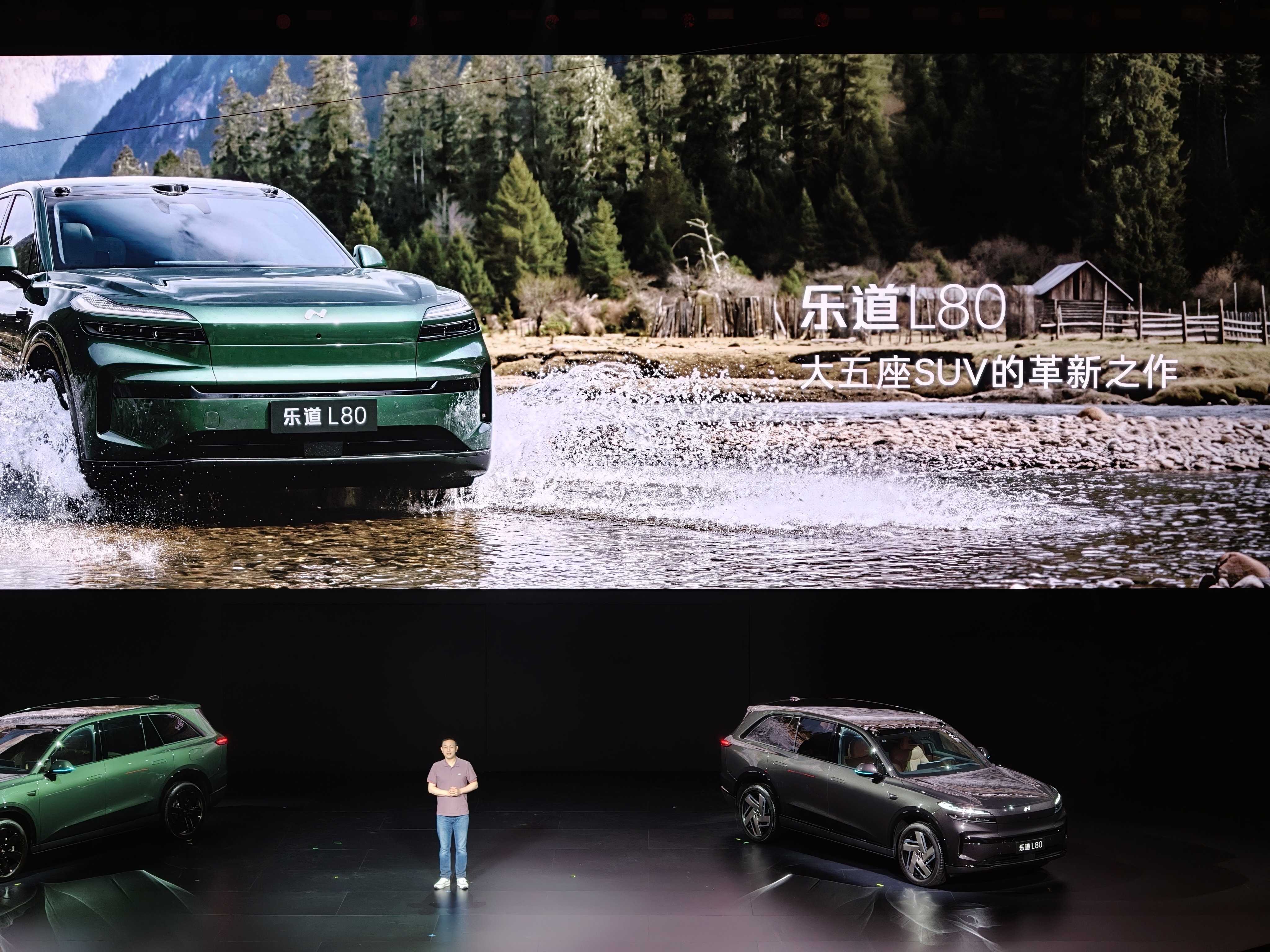
Image Source: Dianche Tong
Unlike other automakers, Lede was conceived from day one with “family vehicles” as its central use case. Therefore, Lede deliberately eschews superficial, overly sharp expressions of individuality.
Yet, from Dianche Tong’s perspective, “intentionally removing superficial individualistic expression” does not mean Lede has opted for mediocrity. Take yesterday’s launch star—the Lede L80—as an example: even within the “family-oriented mid-to-large-size SUV” segment—a space largely defined by large six-seat SUVs—Lede offers a fresh solution via concepts like “spacious five-seat layout” and “front-and-rear dual cabins.”
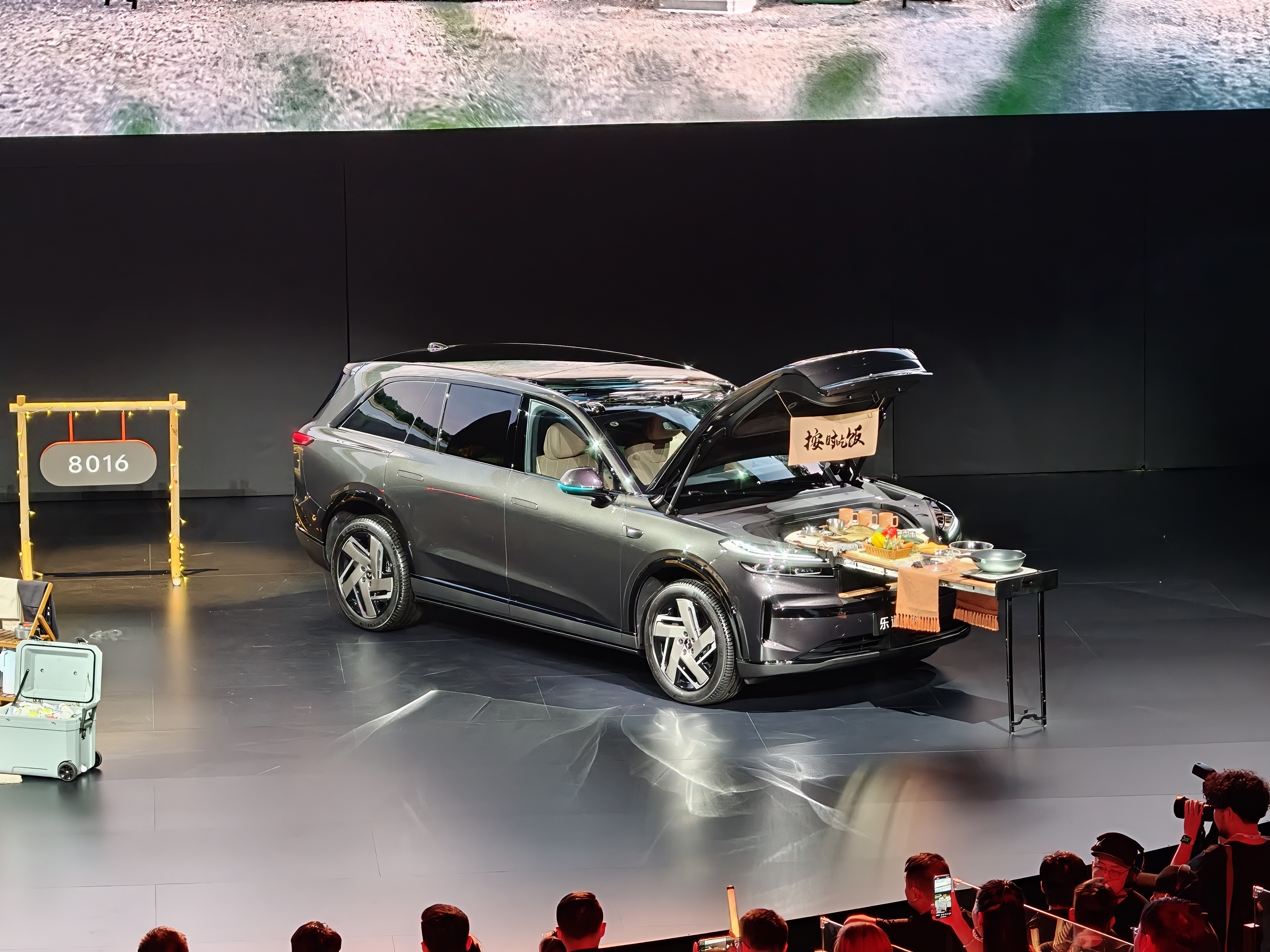
Image Source: Dianche Tong
Many automakers wrongly treat “balance” as an excuse for mediocrity, masking stagnation in core chassis and platform technologies through mere feature stacking. Dianche Tong believes true innovation for family vehicles is never about superficial “face-lifts”; rather, it demands relentless focus on fundamental practicality.
For instance, while the Lede L80 features a conventional rear trunk, it also ingeniously incorporates a front trunk plus two additional underfloor storage compartments. These extra spaces unlock richer usage scenarios, delivering a truly unique ownership experience for the L80.
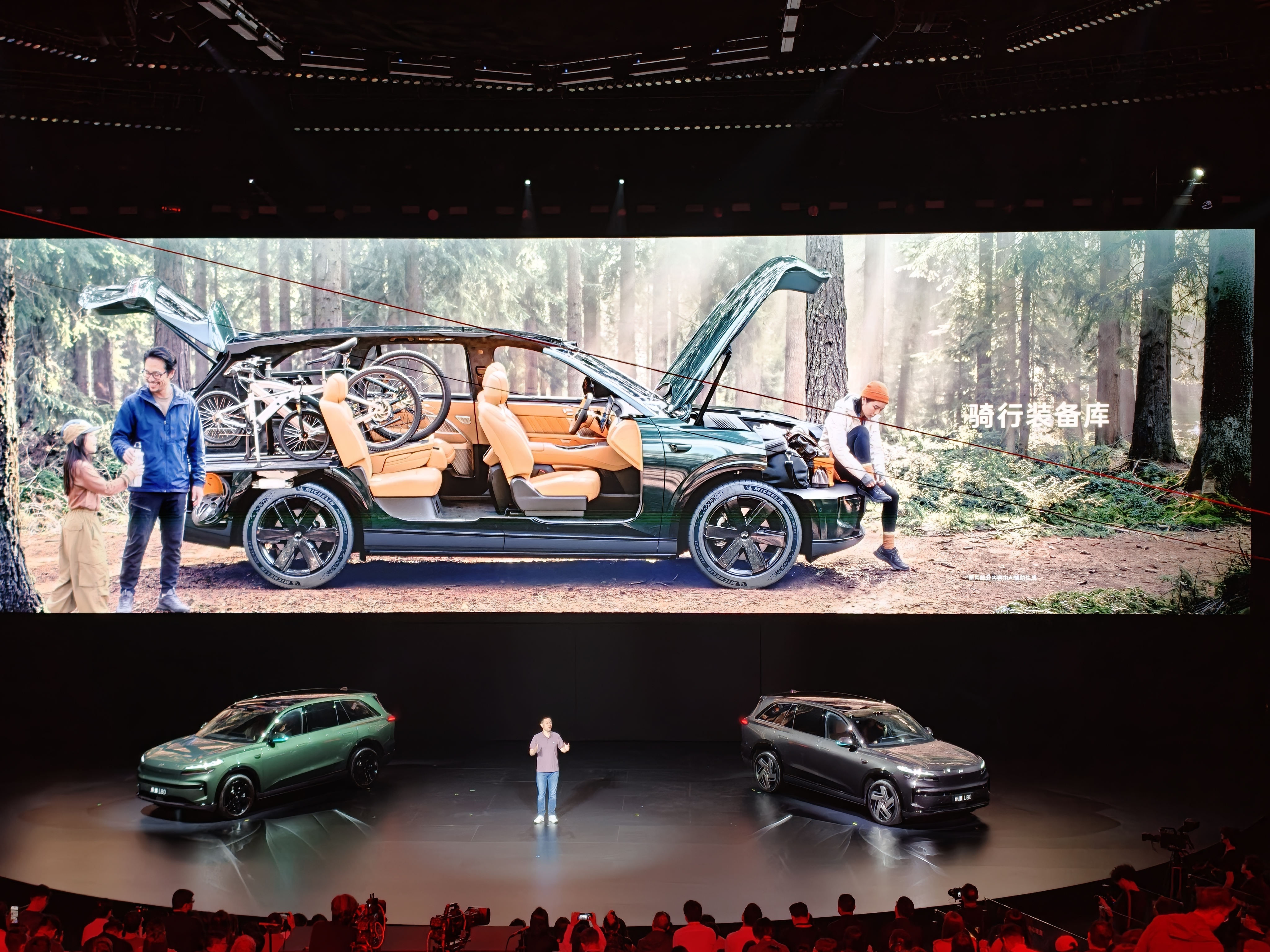
Image Source: Dianche Tong
This kind of innovation—going beyond surface appearances to serve practicality through thoughtful individuality—is precisely why Dianche Tong believes Lede has achieved such remarkable success in China’s family vehicle market within just two years.
For the brand itself, this capability of “practical individuality” is, in fact, the hard-won result of Lede and the broader Nio Group’s long-termist strategy. Consider the previously mentioned storage-space expansion—a textbook example of “quantitative change leading to qualitative transformation.” Clearly, these additional storage compartments would be impossible without Nio’s sustained investment in vehicle-component integration.
During the briefing, Qin Lihong remarked:
In five days, we’ll release our Q1 financial report. You’ll see more clearly how Nio’s continuous R&D investment and systemic competitiveness have built a formidable moat around our business operations—even amid this year’s exceptionally bleak Q1 auto market.
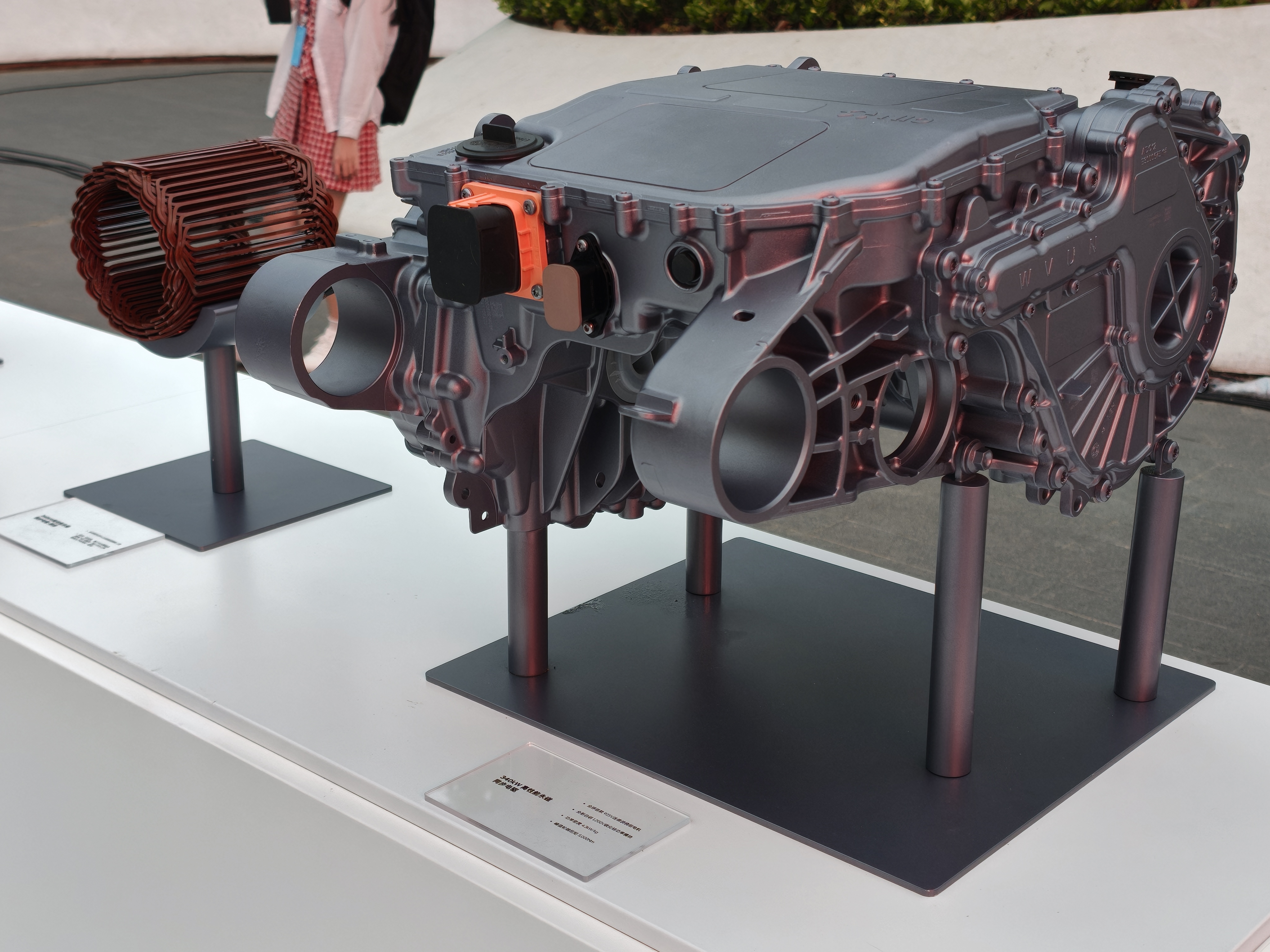
Image Source: Dianche Tong
In his view, Nio’s earlier R&D investments have secured full technical and development autonomy. This autonomy empowers Nio not only to transcend industry-standard solutions but also to exercise greater strategic control.
Ultimately, R&D investment is fundamentally an act of “delayed gratification.” As a brand pioneering uncharted technological territory, Nio inevitably incurred losses during its early years—investing heavily in R&D, battery-swap infrastructure deployment, and other frontier domains. This certainly left some users uncertain about the future.
Yet technological investment is inherently a process where “quantitative change leads to qualitative transformation.” Once you possess sufficient breadth and depth of proprietary technology, you can naturally realize innovations others dare not even imagine—“fantastical tales” made real. By 2026, Nio’s battery-swap network has even reached Mount Everest, comprising 3,809 swap stations, 4,986 charging stations, and 84 “Power-Up Scenic Routes.” While owners of other BEVs still queue for fast-charging, Nio drivers no longer worry about where to charge.
Spacious Five-Seat SUVs Enter a Turning Point in H2 2026
Naturally, Lede—focused squarely on family-use scenarios—will inevitably draw comparisons with Li Auto, which targets the same market segment. Leveraging the L90 platform, Lede developed the spacious five-seat pure-electric SUV L80. Coincidentally, Li Auto’s large three-row SUV L8 will also shift this year to a spacious five-seat extended-range configuration. It is certain that more automakers will enter the spacious five-seat SUV segment in the second half of 2026.
However, Qin Lihong pointed out that the core competitive advantage of spacious five-seat SUVs lies not in the “five seats,” but in the “spaciousness.”
As a former owner of a mid-to-large-size ICE SUV, Dianche Tong fully endorses Qin Lihong’s viewpoint. For spacious five-seat SUVs, the “five-seat layout” is merely a means to achieve generous interior volume—not an end in itself. For example, to ensure comfort, many large five-seat SUVs are rarely actually filled to capacity in real-world usage—carrying four passengers already represents the upper limit for most such vehicles.
Compared with large six-seat, three-row SUVs, the core value proposition of spacious five-seat SUVs lies in eliminating the third row and the central aisle in the second row—thus freeing up significantly more second-row legroom and enabling novel usage scenarios. Focusing solely on the five-seat layout would fundamentally misplace priorities.
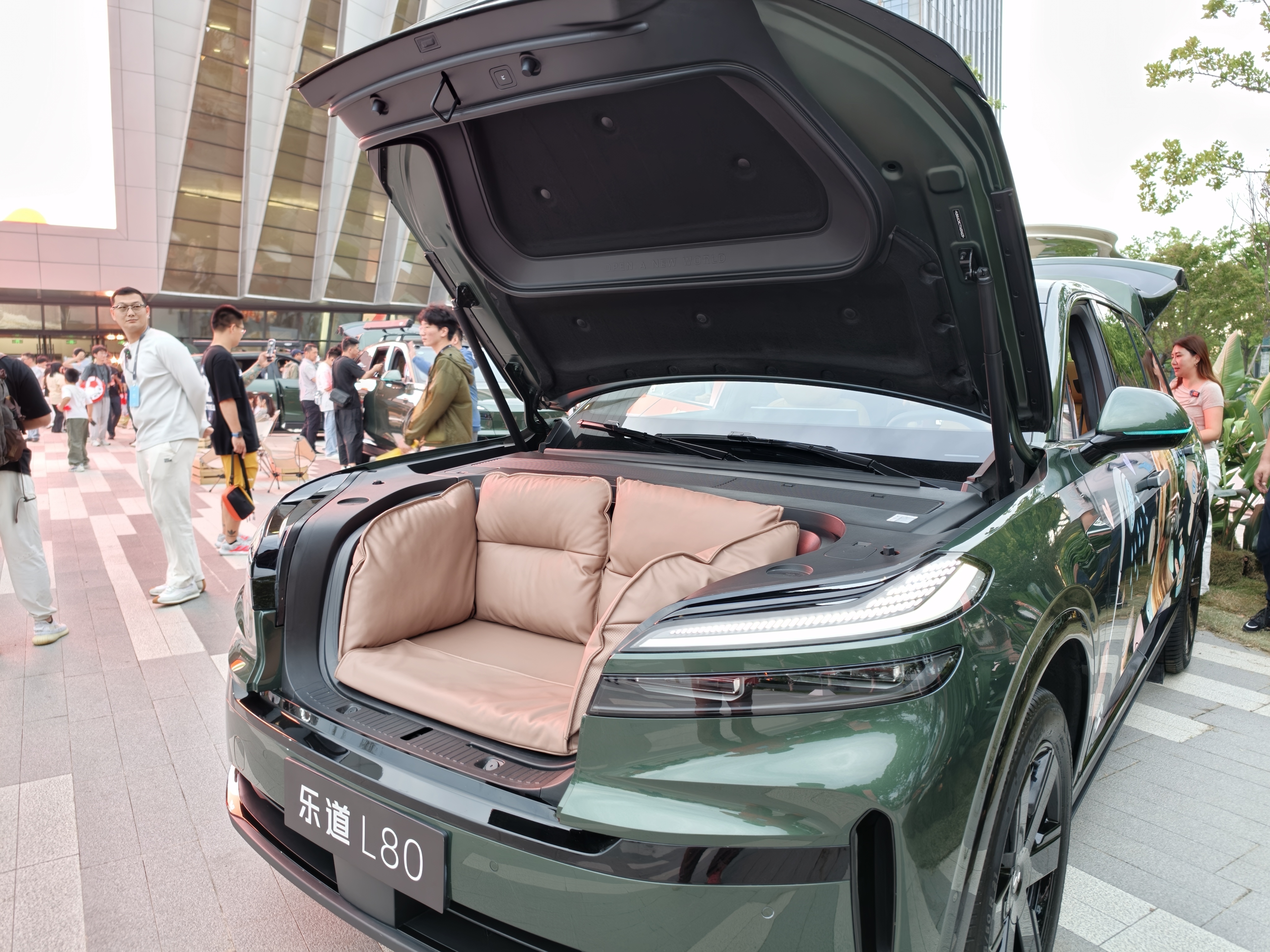
Image Source: Dianche Tong
It is precisely due to differing interpretations of “spacious five-seat” that Lede feels no concern about head-on competition with extended-range spacious five-seat SUVs. Qin Lihong noted that beyond leveraging the L90 platform’s large external dimensions, Lede further optimizes lightweighting and component integration via its high-voltage BEV architecture—freeing up additional interior space for users within the same exterior shell.
Taking the Lede L80’s signature front trunk as an example: “Our front trunk is like an unexpected bonus—extra usable space literally ‘dropped from the sky.’ A large-capacity front trunk is unthinkable without a pure-electric platform. Where would you put the generator? The range extender? The fuel tank? These are all physical space constraints.”
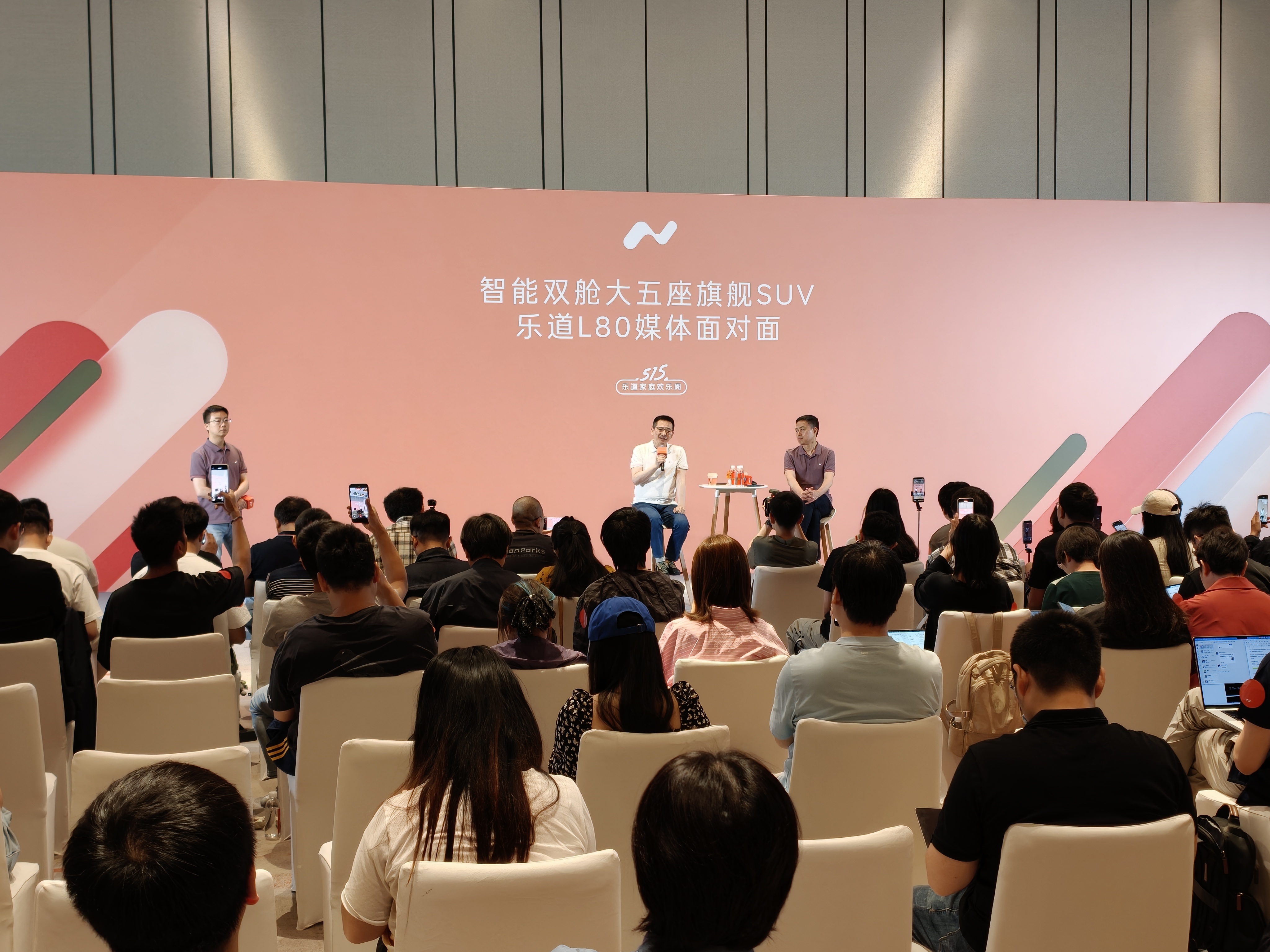
Image Source: Dianche Tong
Thus, when asked about market observations for spacious five-seat SUVs, Qin Lihong offered an unusually confident forecast:
“Market sentiment was weak across Q1 2026: last year’s total sales for spacious five-seat SUVs stood at 97,000 units; this year’s Q1 figure dropped slightly to 93,000 units—with BEVs accounting for 15,000 units… The BEV-to-ERE ratio shifted dramatically—from 1:23 last year to 1:2.2 this quarter. I predict that by Q3 2026, the BEV-to-ERE ratio will exceed 1:1.”
Indeed, five years ago, inadequate BEV infrastructure—including battery-swap networks—made extended-range solutions a pragmatic response to immediate user needs. Yet by 2026, bolstered by Nio’s mature battery-swap ecosystem and comprehensive 900V high-voltage platform, the inflection point—where quantitative progress triggers qualitative breakthrough—has clearly arrived for BEVs.
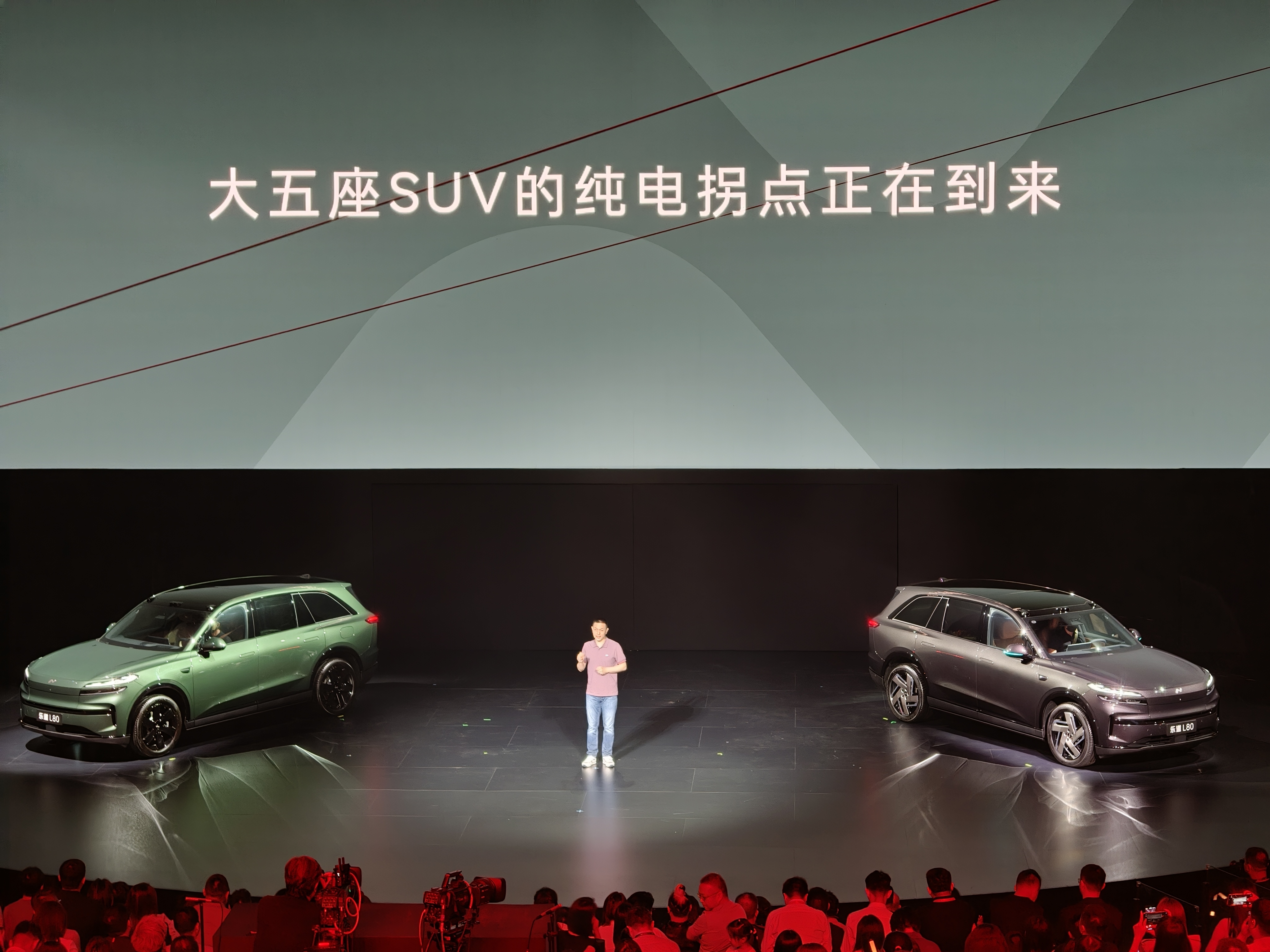
Image Source: Dianche Tong
In Qin Lihong’s words: “If a product claims to redefine the spacious five-seat SUV market—and it’s not pure-electric—we shouldn’t waste time discussing it.”
Lede Prioritizes Long-Term Value
Yet, from Dianche Tong’s perspective, what Qin Lihong and Shen Fei conveyed during the media briefing extended beyond mere technical confidence—they also demonstrated an admirably pragmatic, grounded attitude toward technology.
Regarding the recent rollout of in-house-developed chips, Qin Lihong directly voiced Lede’s stance against industry practices that mislead consumers with vague “conceptual self-development” rhetoric: Lede prefers investing time in rigorous, technical education for users over resorting to linguistic sleight-of-hand to obscure reality.
He specifically emphasized that the Shenji NX9031—the world’s first automotive-grade 5nm chip—not only delivers an industry-leading memory bandwidth of 546 GB/s but has also been installed in over 250,000 production vehicles over the past year-plus.
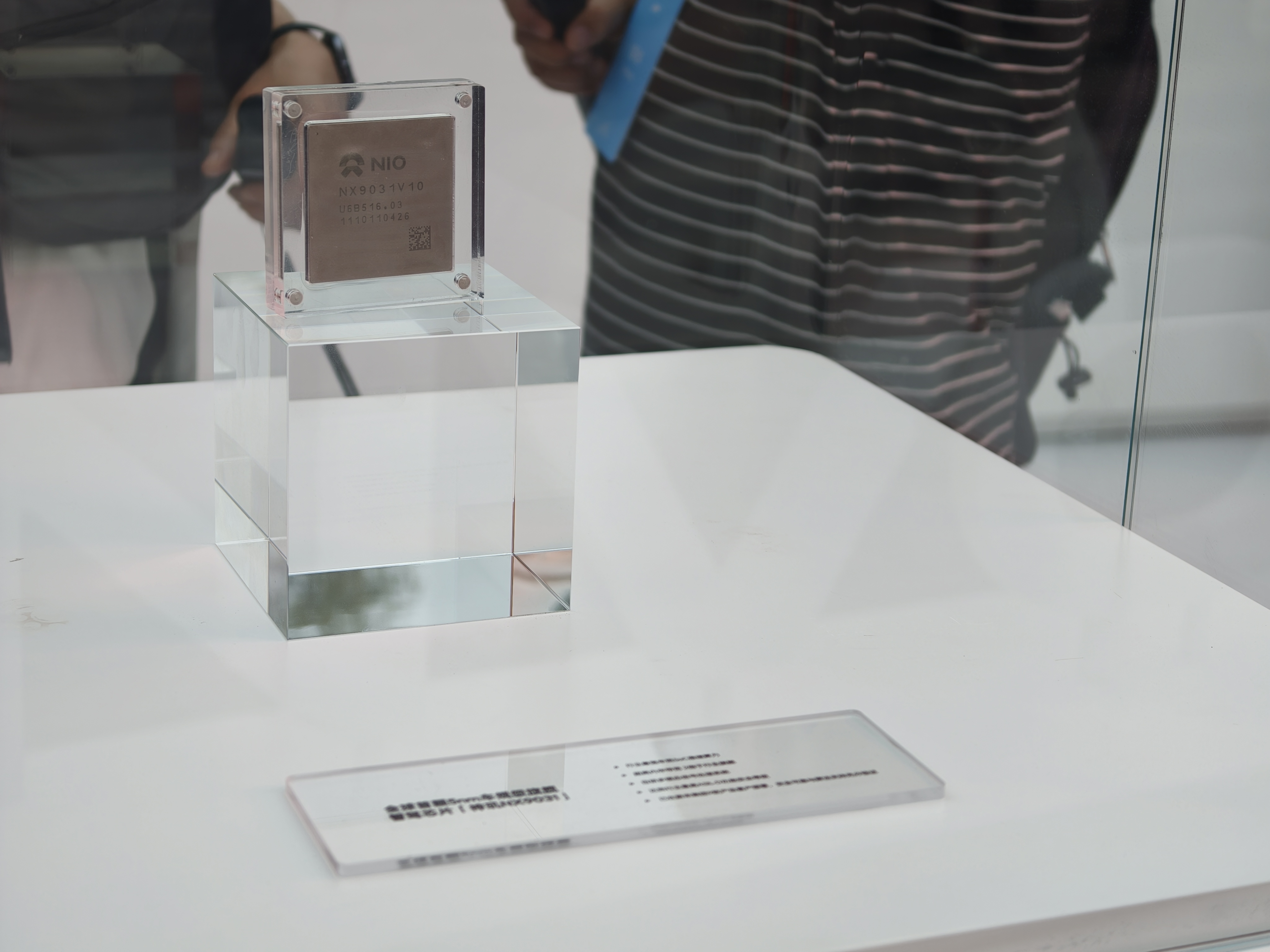
Image Source: Dianche Tong
As an automotive media outlet, Dianche Tong deeply appreciates this courage to cut through marketing obfuscation with hard metrics. Today’s intelligent vehicle sector suffers from distorted trends: many brands package fragmented—or even inflated—“sparse computing power” figures using clever wordplay. Against this backdrop, authenticity stands out as rare and valuable.
A similar authenticity shines through in Lede’s steadfast commitment to ternary lithium batteries. Amid widespread industry adoption of lithium iron phosphate (LFP) cells driven by cost advantages, the Lede L80 continues to employ premium ternary lithium batteries regardless of expense.
Product lead Yu Bin explained that Lede’s persistence with ternary lithium chemistry serves multiple purposes: enhancing vehicle lightweighting and performance, and—critically—ensuring higher residual battery value at end-of-life. Within Nio’s mature battery-swap ecosystem, ternary lithium batteries command superior recycling value—a cornerstone for the long-term viability and stability of Nio’s battery-as-a-service (BaaS) business model.
Under Nio’s battery-swap framework, using higher-residual-value ternary lithium batteries ultimately translates into tangible cost savings for vehicle owners.
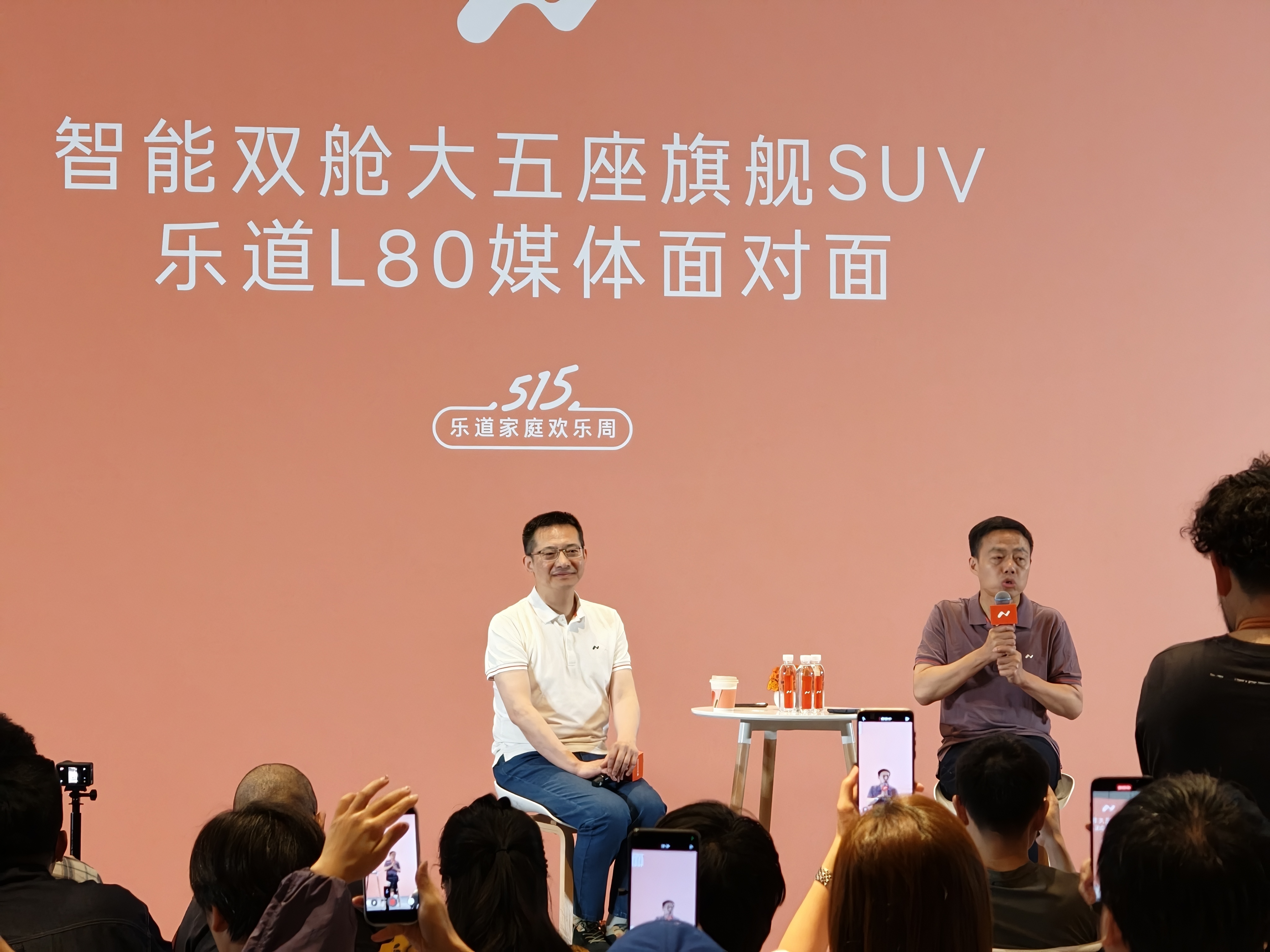
Image Source: Dianche Tong
Addressing the “new-car death valley”—a phenomenon where rapid NEV iteration causes steep post-purchase depreciation and rising ownership costs—Lede’s solution is refreshingly straightforward: technologically, Lede launches vehicles with significant generational advantages, targeting over one year of leadership; pricing-wise, Lede adopts a “right-first-time” strategy to ensure stable used-car residual values.
Drawing from his own experience developing Nio’s battery-swap system, Shen Fei summarized his journey with the Chinese idiom: “Sitting on a cold bench for ten years.” To Dianche Tong, this unwavering pursuit of long-term value remains the essential secret behind Nio’s enduring growth and proven success in the BEV era.

