
 雷科技
雷科技




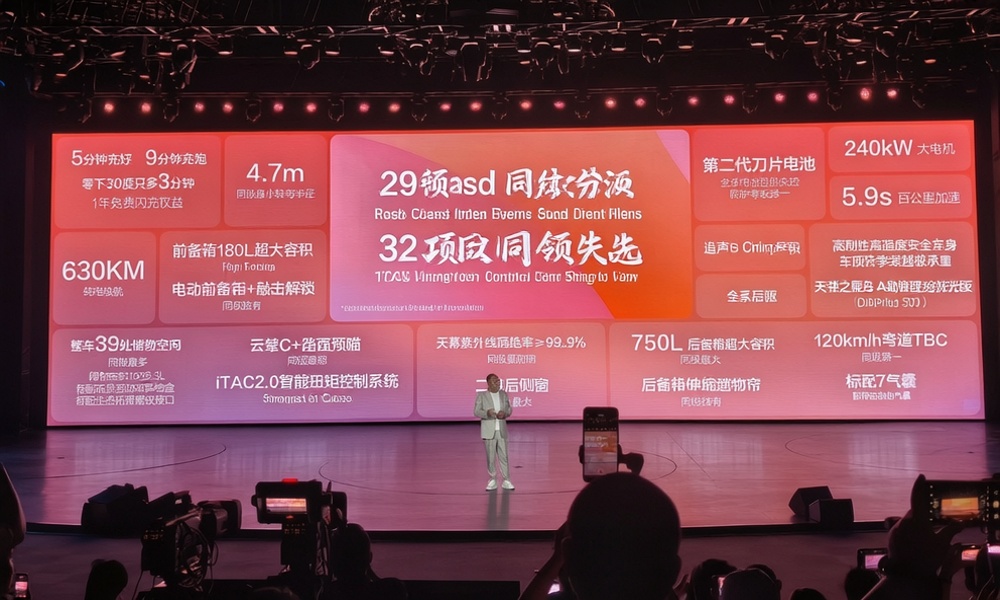

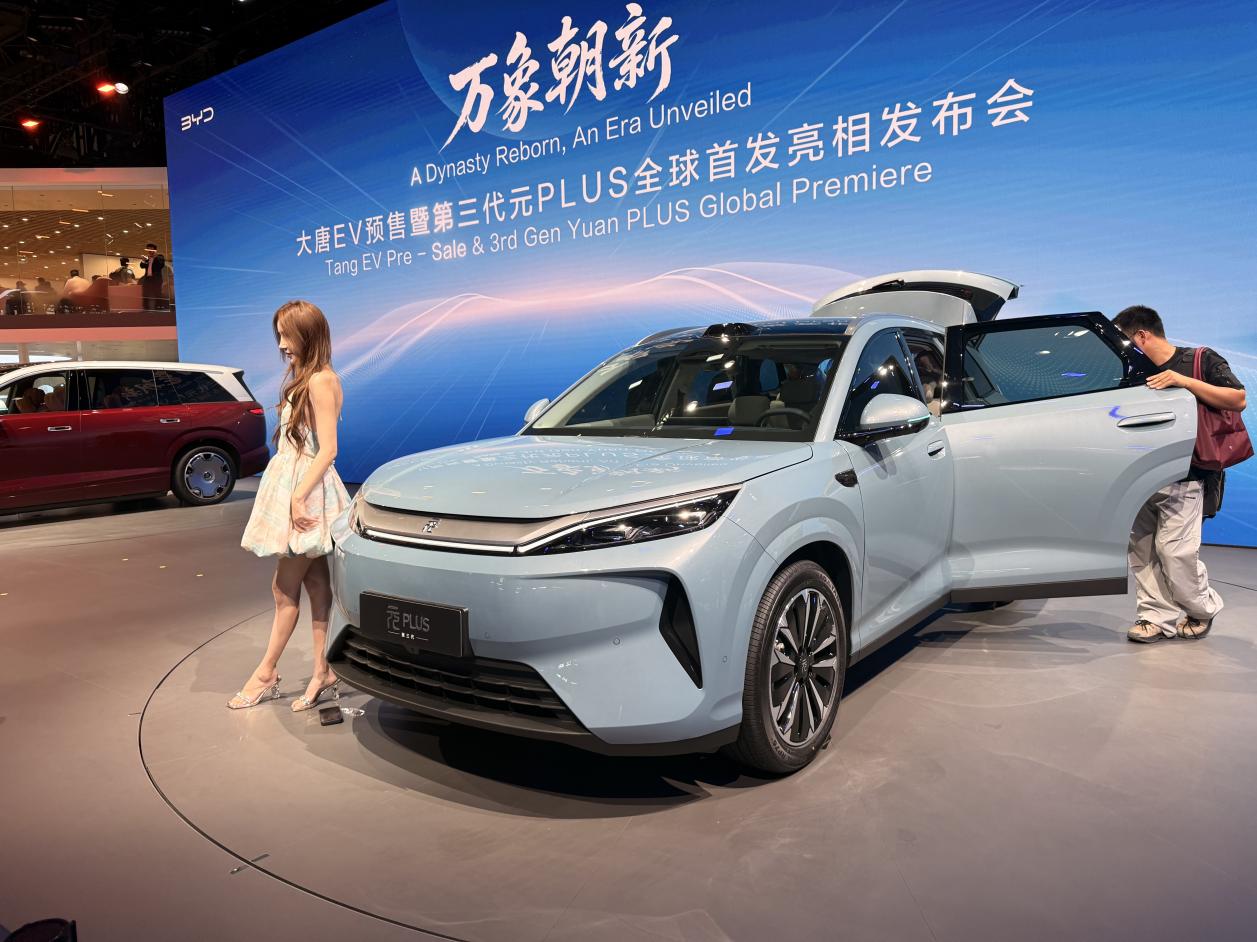
On May 21, BYD’s Dynasty Network officially launched the third-generation Yuan PLUS.
To clarify upfront: this third-generation Yuan PLUS is not a conventional facelift—it’s a complete ground-up redesign. While retaining the original model’s core DNA, virtually every aspect of the vehicle has been thoroughly overhauled—effectively making it an all-new model. LeiTech’s EV-focused platform, Dianche Tong, was also invited to attend the launch event.
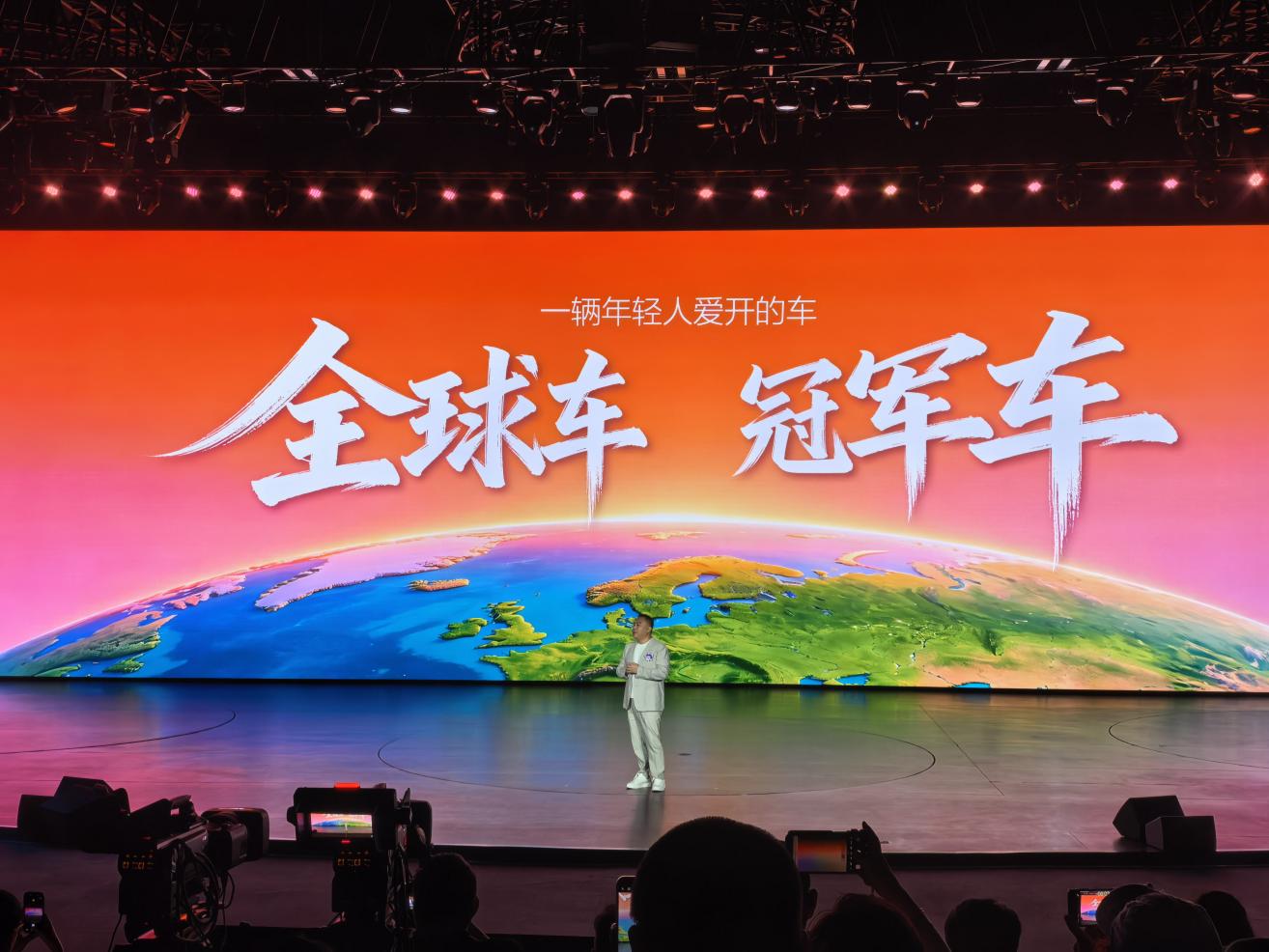
Since the debut of the first-generation Yuan PLUS in 2022, cumulative global sales for the series have surpassed 1.1 million units. International users know it by its other name—Atto 3. Within BYD’s entire product lineup, the Yuan PLUS stands as one of the Dynasty Network’s highest-volume pure-electric SUVs—and BYD’s true first global strategic vehicle.
When a vehicle shoulders such a massive sales base and global mission, its generational update transcends mere product iteration—it becomes BYD’s proactive redefinition of the next phase of market dynamics.
Specs That Leapfrog Segments: BYD Still Plays No Holds Barred
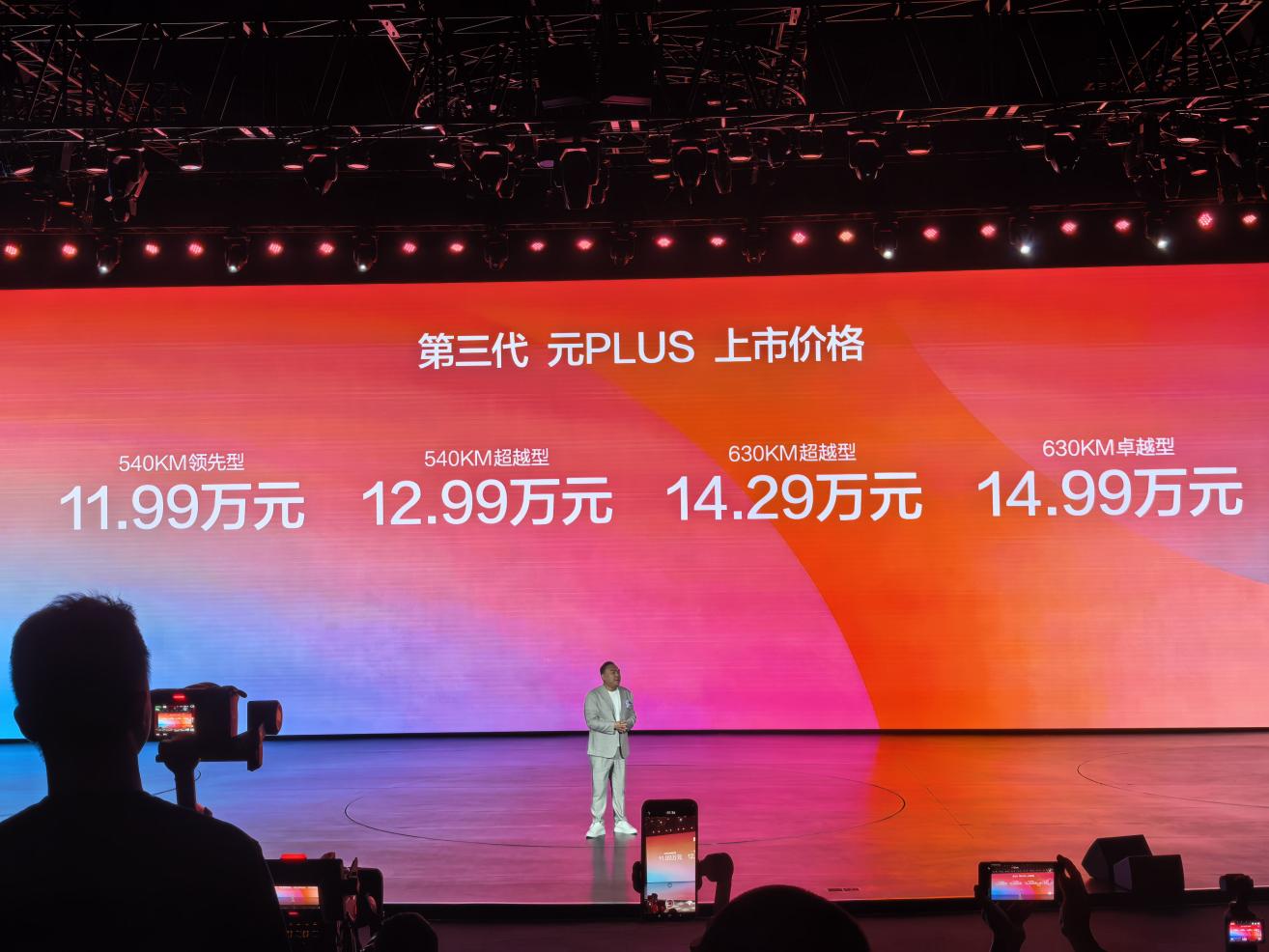
No suspense—here are the prices: RMB 119,900–149,900.
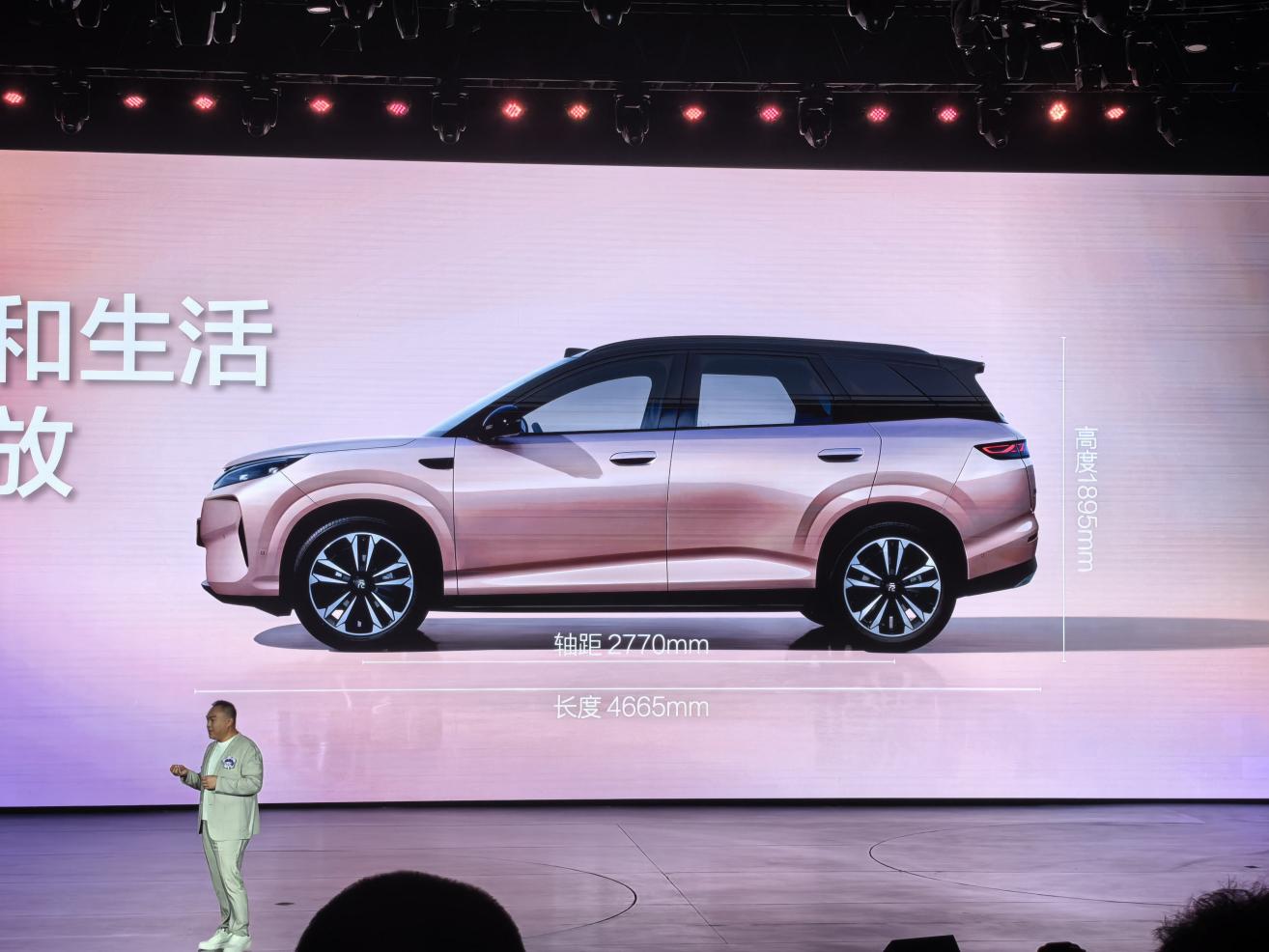
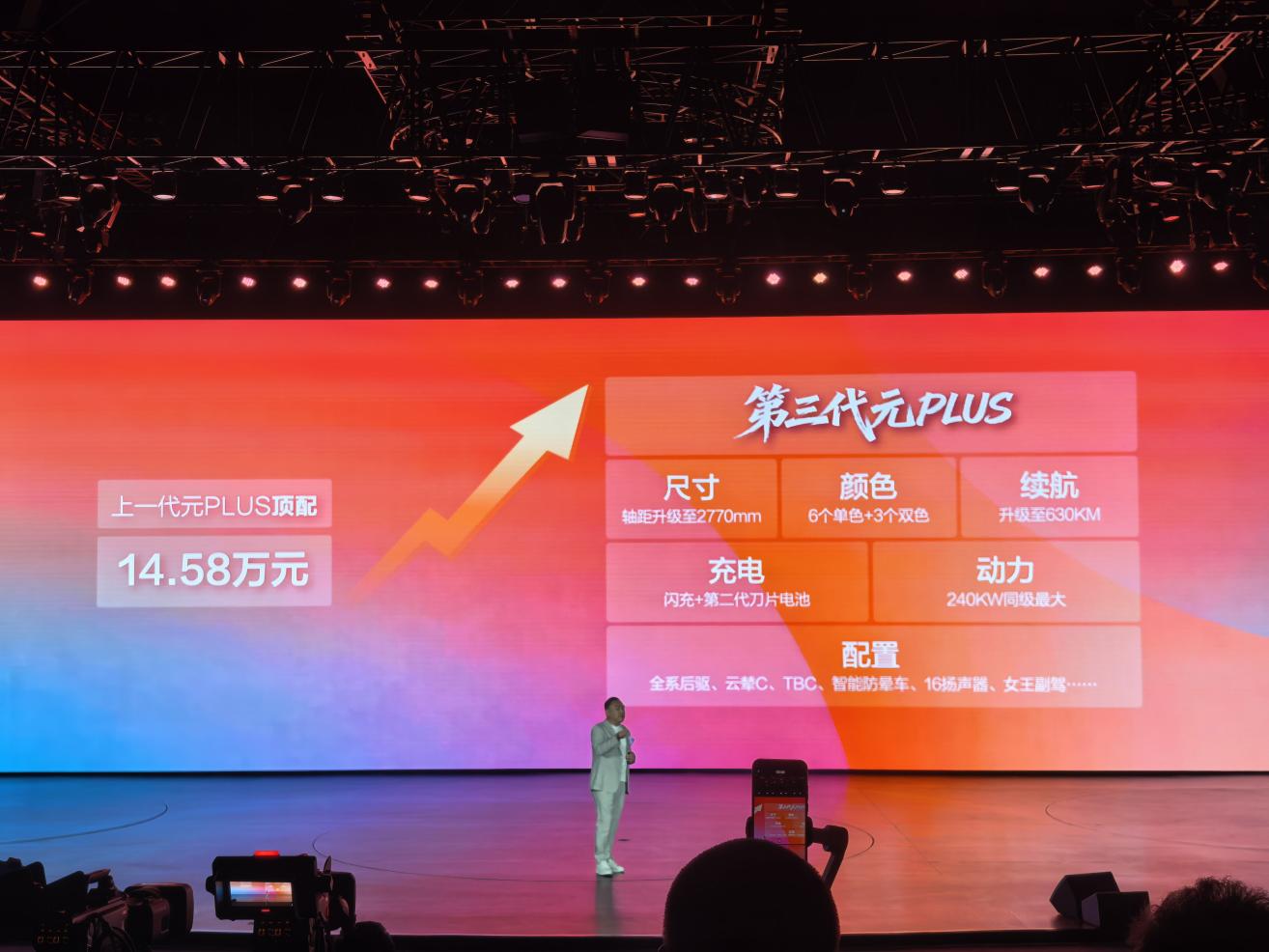
The most immediately noticeable change in the third-generation Yuan PLUS is its size. Overall length increases to 4,665 mm and wheelbase expands to 2,770 mm—up by 210 mm and 50 mm respectively versus the current model. This places it firmly at the threshold of the A+ SUV segment, with rear legroom exceeding 900 mm. In the RMB 110,000–150,000 price bracket, interior space remains a non-negotiable priority—and BYD chose not to compromise, delivering genuinely class-defying spatial performance.
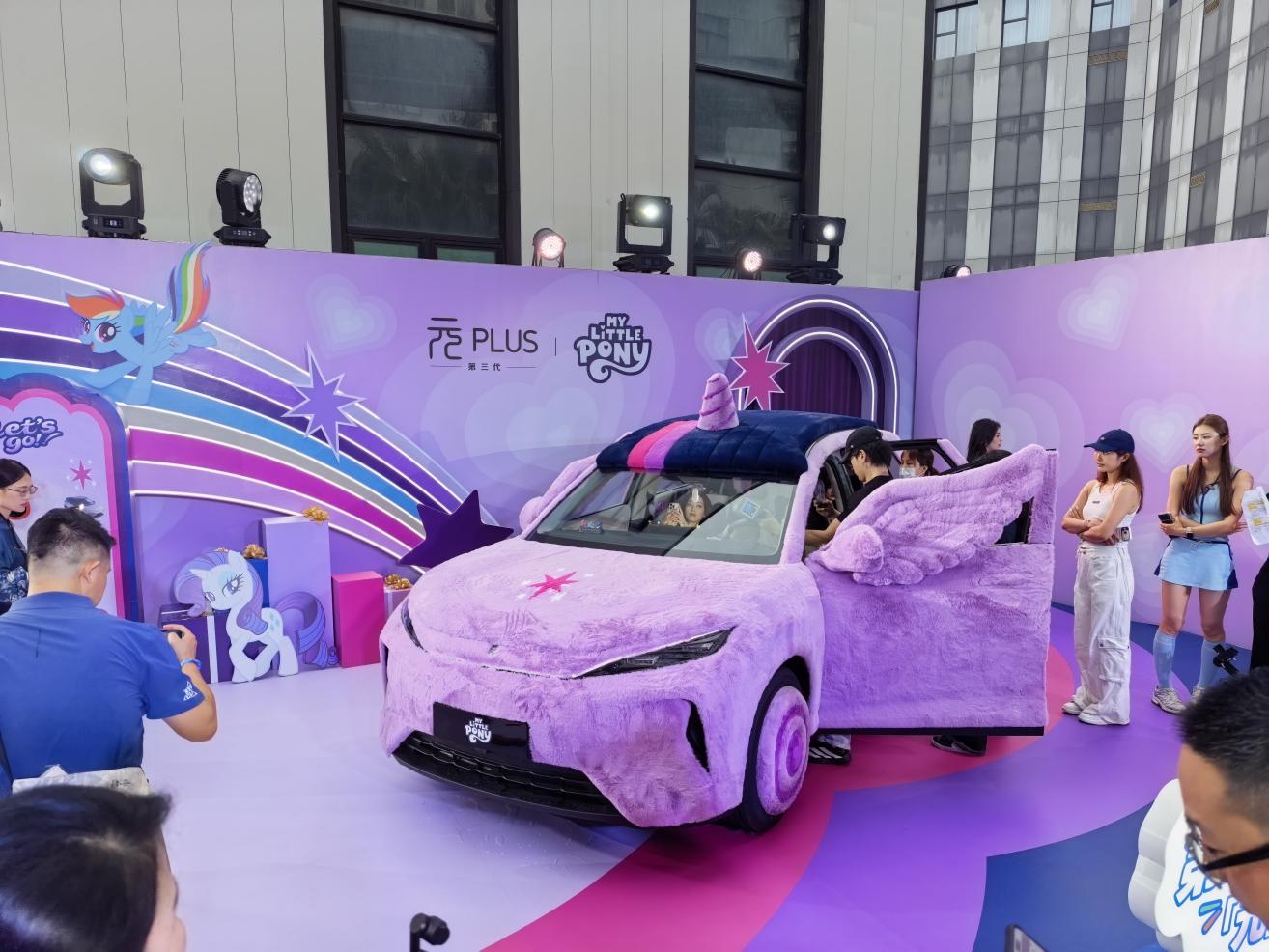
Exterior styling adopts an entirely new design language. Both front and rear bumpers are completely redesigned; the贯穿-style light bar receives a fresh interpretation; and the “Chinese Knot”-inspired taillights deliver high visual recognition when illuminated. Six all-new exterior colors are offered—including a collaboration with My Little Pony. At this year’s Beijing Auto Show, the Twilight Sparkle-themed “pain car” became a popular photo spot. These youth-oriented initiatives underscore BYD’s clear understanding that the Yuan PLUS’s core user demographic is young consumers.
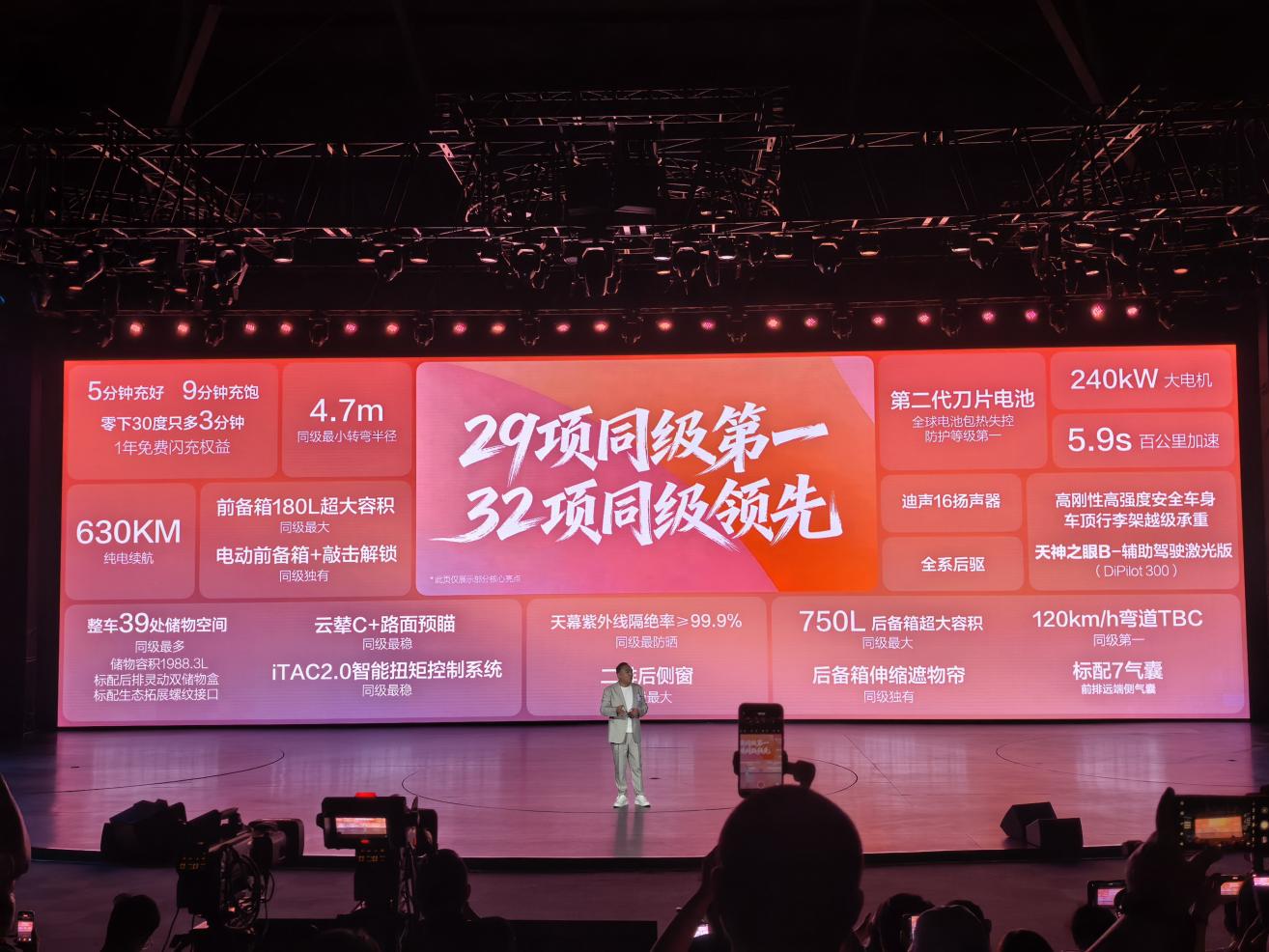
Yet beyond dimensions and aesthetics, the chassis and powertrain represent the most astonishing upgrades. The third-generation Yuan PLUS features standard rear-motor, rear-wheel drive, with two power outputs—200 kW and 240 kW—both surpassing even the current top-spec model’s performance.
0–100 km/h acceleration times are 6.2 seconds and 5.3 seconds respectively—performance figures that border on those of dedicated sports cars, even within the family SUV category. Chassis hardware includes MacPherson struts up front and a five-link independent rear suspension, complemented by BYD’s Yun Nian-C active suspension system and iTAC 2.0 torque vectoring control. Higher trims also add TBC (Tire Blowout Control), enabling stable high-speed driving after a tire blowout.
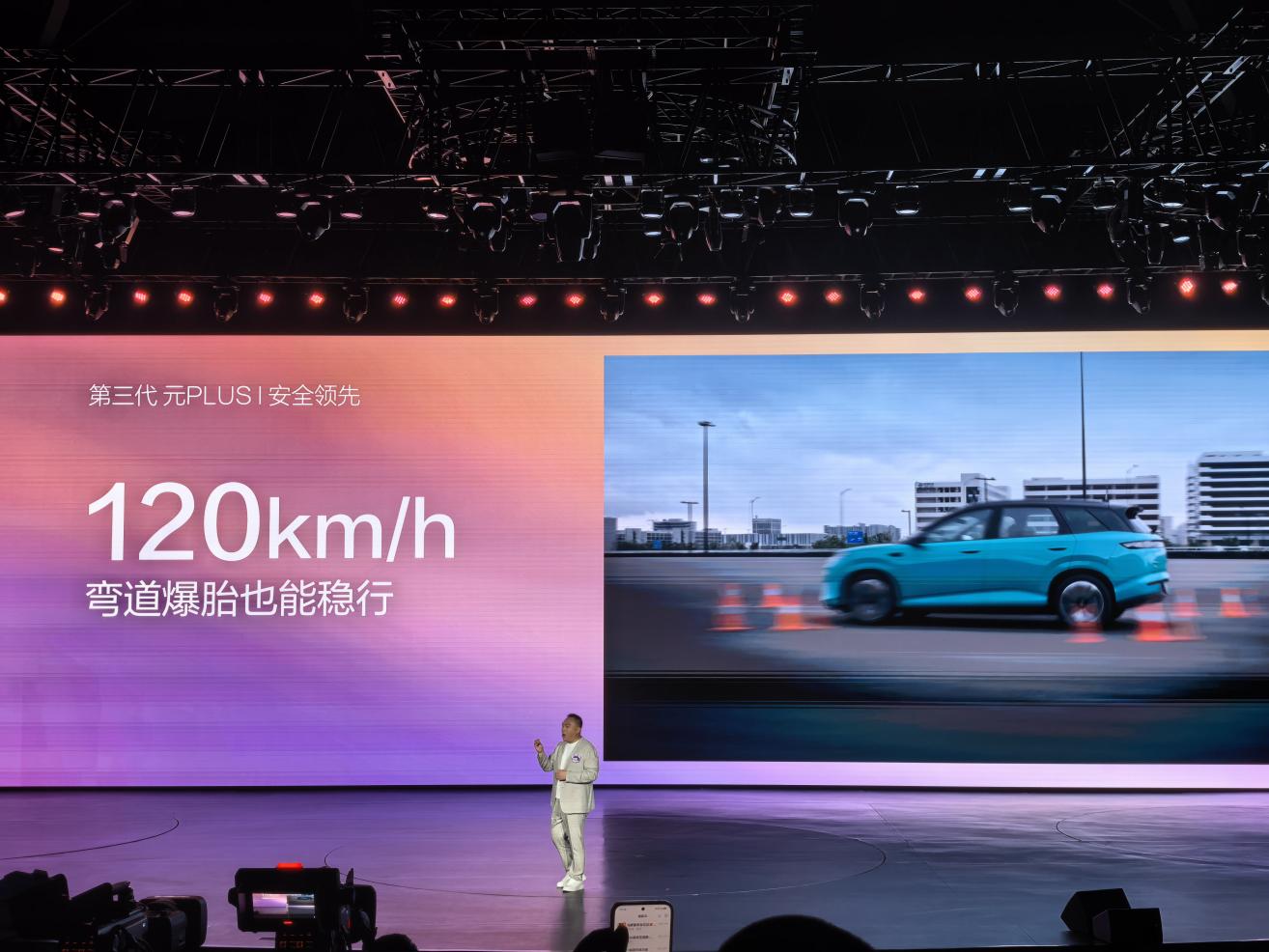
Honestly, this level of chassis specification represents a paradigm shift—even a “dimensional downgrade”—within the RMB 150,000 segment.
For charging performance, the second-generation Blade Battery achieves an energy density of 180 Wh/kg, available in two capacities—57.5 kWh and 68.5 kWh—with CLTC-rated ranges of 540 km and 630 km respectively. Charging from 10% to 97% takes just nine minutes under ambient temperatures—and only 11–12 minutes at -30°C. A quick stop at a highway service area for coffee is now enough time to fully recharge.
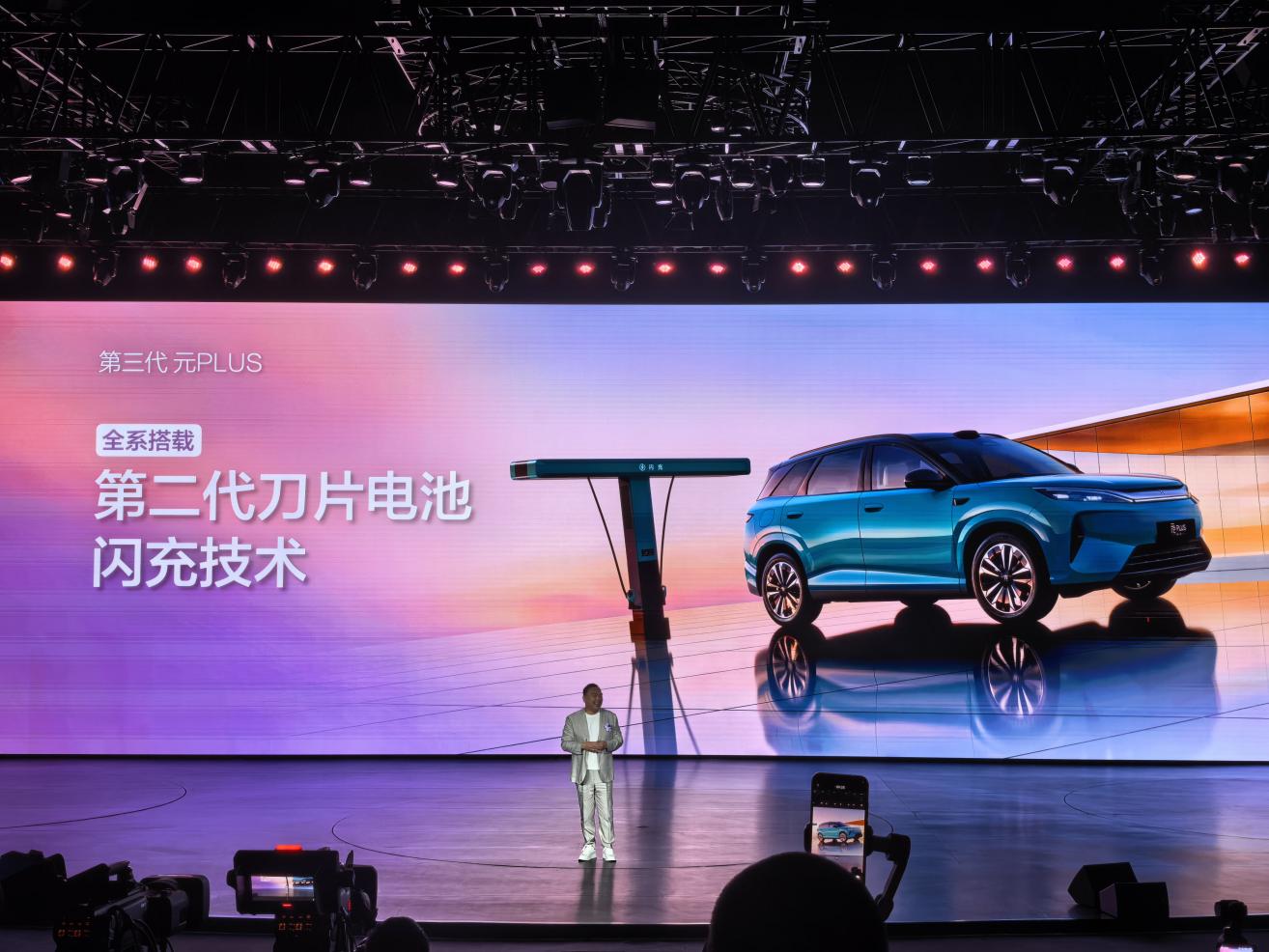
Combined with BYD’s planned nationwide rollout of 20,000 Flash Charging stations by year-end, “range anxiety”—an enduring pain point for EV owners over the past decade—has been meaningfully resolved in the RMB 150,000 segment. Previously, buyers in this price range accepted hour-long charging sessions as inevitable reality; today, the experience approaches that of refueling.
The cabin introduces several thoughtful details. The column-mounted gear shifter frees up the center console entirely: the upper tier houses a 50W air-cooled wireless fast charger, while the lower tier provides generous storage space. Integrated features include a tissue box, threaded mounting points on the driver’s side for DIY phone mounts or cup holders, and a dedicated DIY storage zone on the front passenger side—complete with grooves and a built-in charging port—transforming any smartphone placed there into an impromptu infotainment screen.
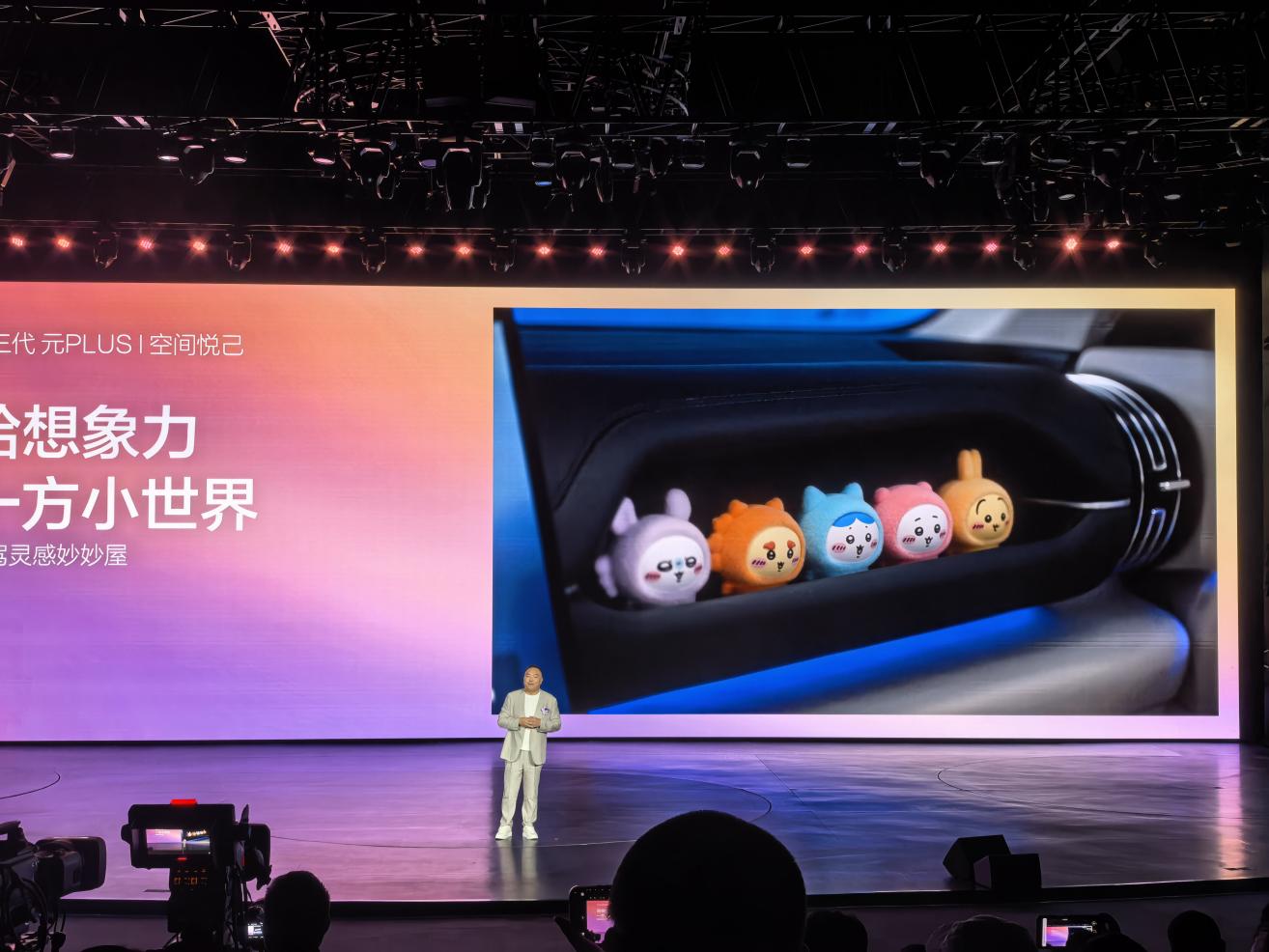
The vehicle offers 39 total storage locations—including a specially designed “Miao Miao House” for figurines. Higher trims feature a “Queen Seat” for the front passenger, equipped with powered leg rests, ventilation, heating, and memory functions; a vehicle-mounted refrigerator operating between -6°C and 50°C; a 16-speaker premium audio system; a head-up display (HUD); and a trapezoidal full-LCD instrument cluster capable of projecting navigation guidance. In short, comfort features are comprehensively covered.
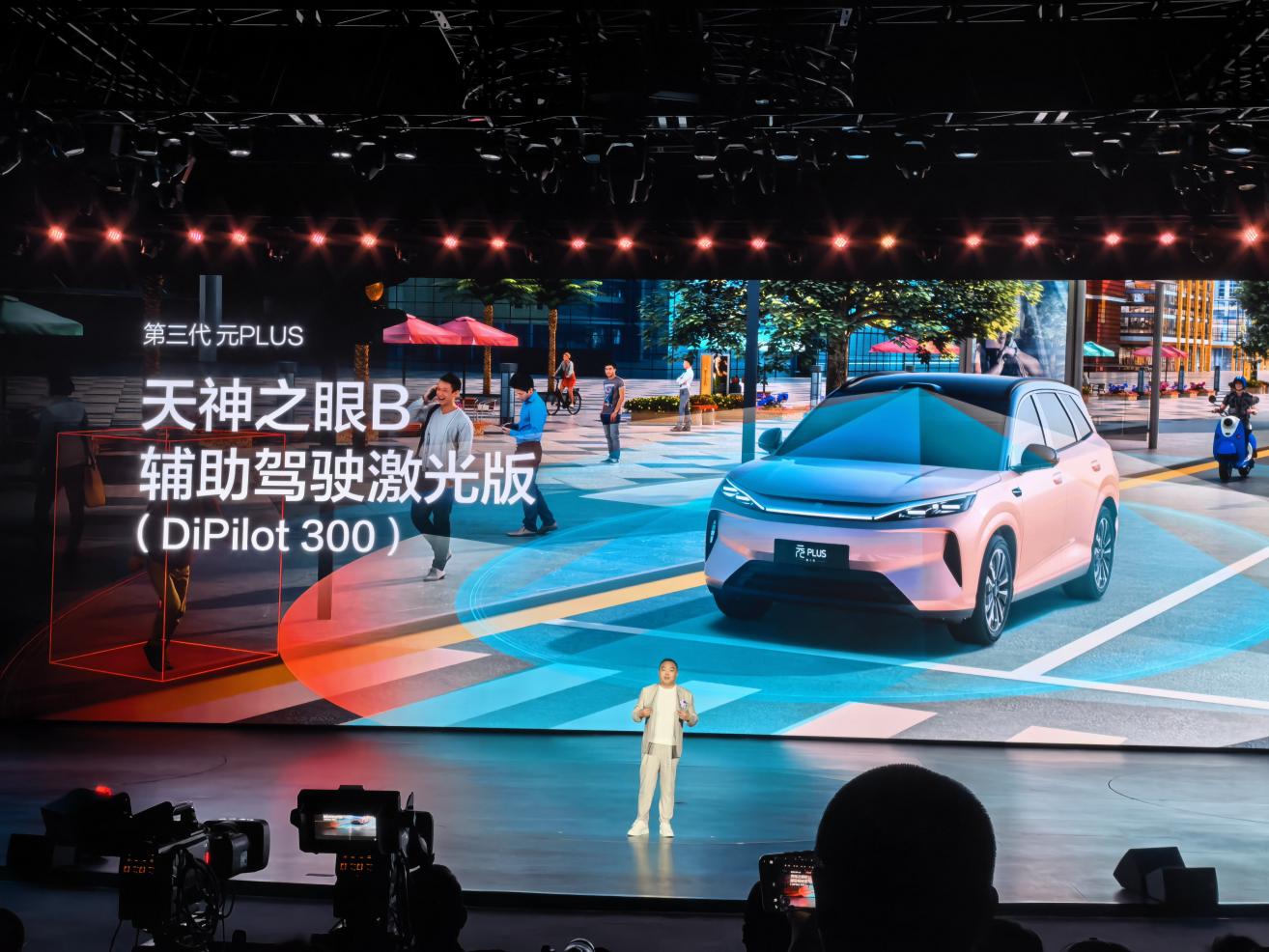
Regarding intelligent driving, the “God’s Eye C” system comes standard across all trims, while optional LiDAR integration enables an upgrade to “God’s Eye B”, supporting urban NOA (Navigate on Autopilot) and automated valet parking. Offering LiDAR as an option on a RMB 150,000-class vehicle reflects BYD’s intent to lower the barrier to high-level intelligent driving—giving users flexibility to select based on need. This approach is commendable.
Why the Yuan PLUS Must Win
To grasp the strategic significance of this generational update, we must first recognize the Yuan PLUS’s unique position within BYD’s ecosystem.
It is BYD’s first globally strategic passenger vehicle—marketed overseas as the Atto 3—and has already entered 23 countries, achieving over 1.1 million cumulative global sales. Across Southeast Asia, Europe, and Australia, many international customers first discovered BYD through this model. Therefore, the third-generation Yuan PLUS’s product definition must satisfy dual standards simultaneously: cut-throat domestic competition and rigorous global quality benchmarks. Its design must resonate equally with users in Bangkok and Berlin—an inherently complex engineering challenge.
As the former volume leader for BYD’s Dynasty Network, the current-generation Yuan PLUS has been on the market for four years—during which time competitors have caught up in intelligence, charging efficiency, and interior spaciousness. New entrants—including Geely Galaxy, Deepal, and Zeekr—are leveraging newer platforms and more aggressive pricing to erode this segment. In China’s rapidly evolving NEV market, a four-year-old model without a generational refresh is essentially surrendering market share.
Hence, the third-generation Yuan PLUS’s renewal is a defensive campaign—not merely defending its title as the best-selling A-segment pure-electric SUV, but safeguarding BYD’s pricing authority across the RMB 120,000–150,000 price band. This price segment is critically important: it represents the absolute mainstream for Chinese household vehicle purchases—and determining whether NEV penetration can climb further hinges directly on success here.
Simultaneously, this vehicle serves as a real-world validation of BYD’s technology democratization strategy. Second-generation Blade Batteries, Flash Charging, and advanced intelligent driving systems—once exclusive to premium vehicles—are now being introduced into the RMB 150,000 segment via the third-generation Yuan PLUS. This also tests BYD’s scalability: can its technological advantages be broadly distributed through supply chain optimization and platform-based design? If successful, competitors’ cost structures will be fundamentally disrupted.
Zooming out, the third-generation Yuan PLUS offers a window into BYD’s broader 2026 strategy: anchored by Flash Charging, BYD aims to transition from selling vehicles to selling an ecosystem—where Flash Charging networks form the foundational infrastructure.
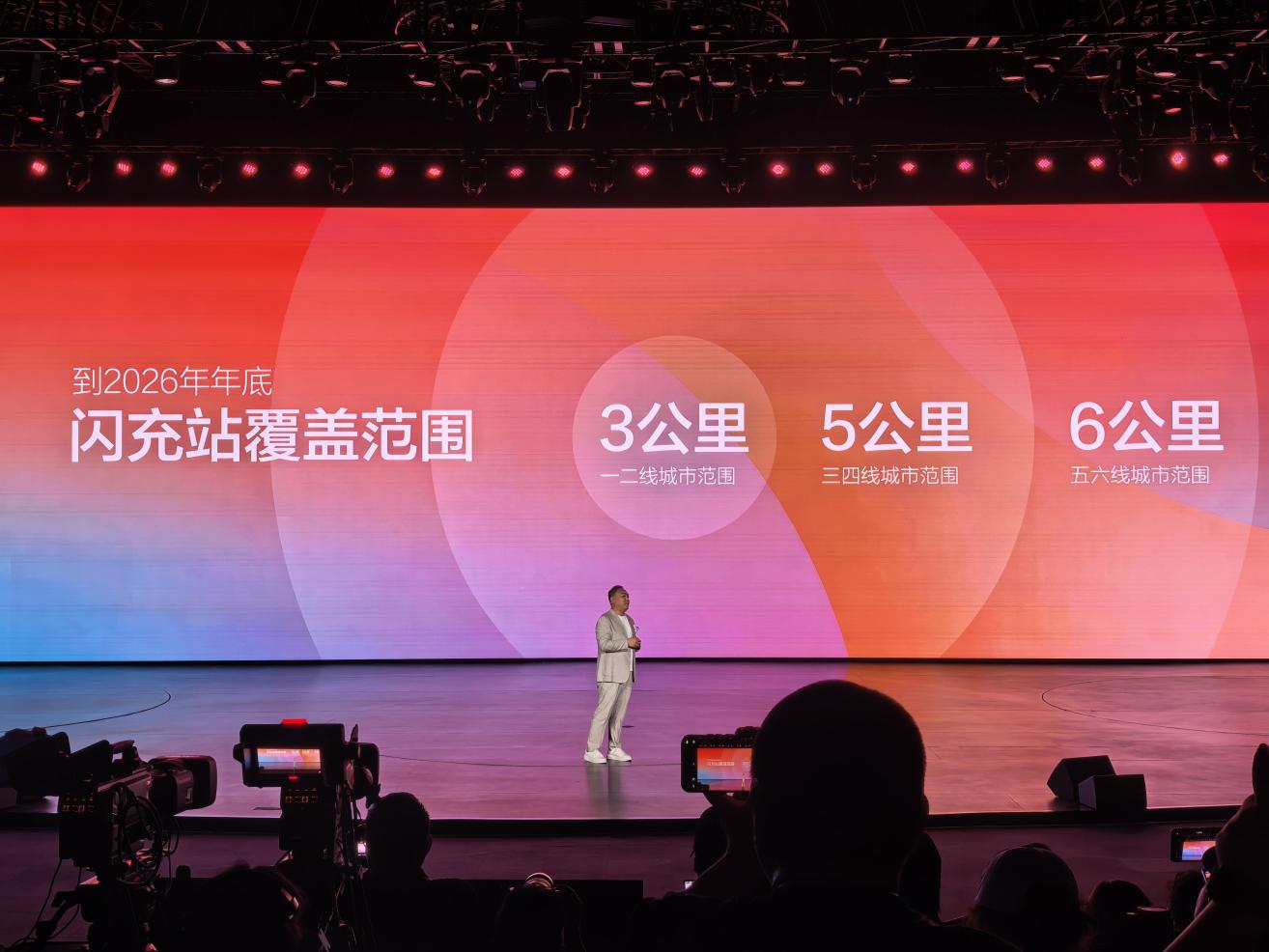
On March 5, BYD unveiled its second-generation Blade Battery and Flash Charging technology, announcing its “Flash Charging China Strategy”: by the end of 2026, BYD will build 20,000 Flash Charging stations nationwide—achieving 3-km coverage in Tier 1 and Tier 2 cities, 5-km coverage in Tier 3 and Tier 4 cities, and 6-km coverage in Tier 5 and Tier 6 cities. Effectively, a BYD Flash Charging station will be accessible almost anywhere.
Only BYD has the scale and capability to deploy Flash Charging stations nationwide at this magnitude. CATL ranks second—but currently shows no inclination toward such infrastructure deployment. Other automakers fall far behind. As one of the first RMB 120,000-class models equipped with both the second-generation Blade Battery and Flash Charging technology, the third-generation Yuan PLUS serves as the public-facing entry point to this ecosystem.
According to Dongwu Securities’ forecast, BYD’s total sales in 2026 are projected to reach 5.12 million units—including 3.56 million domestically. To achieve this target, the Dynasty Network must hold its core market share—and the third-generation Yuan PLUS is pivotal. It must reclaim lost market share while proving BYD still possesses the ability to define industry standards in the RMB 100,000–150,000 segment.
As deliveries of the third-generation Yuan PLUS commence alongside the parallel rollout of the Flash Charging network, BYD seeks to create a closed-loop user experience: “Buy it, use it, and never want to go back.”
Final Thoughts
In the RMB 100,000–150,000 segment, users should not pay extra for technological advancement—advanced technologies should simply belong in this price bracket. That’s the message the third-generation Yuan PLUS conveys.
A 9-minute Flash Charge, a rear-wheel-drive architecture, a five-link suspension, and optional LiDAR—all coexisting in a pure-electric SUV starting at RMB 119,900—signal the next phase of electrification: whoever brings cutting-edge technologies to ordinary families faster becomes the “fast fish.”
The third-generation Yuan PLUS may not be the most dazzling model of 2026—but it could well prove the most influential, because it has redefined the baseline for mainstream pure-electric SUVs.

